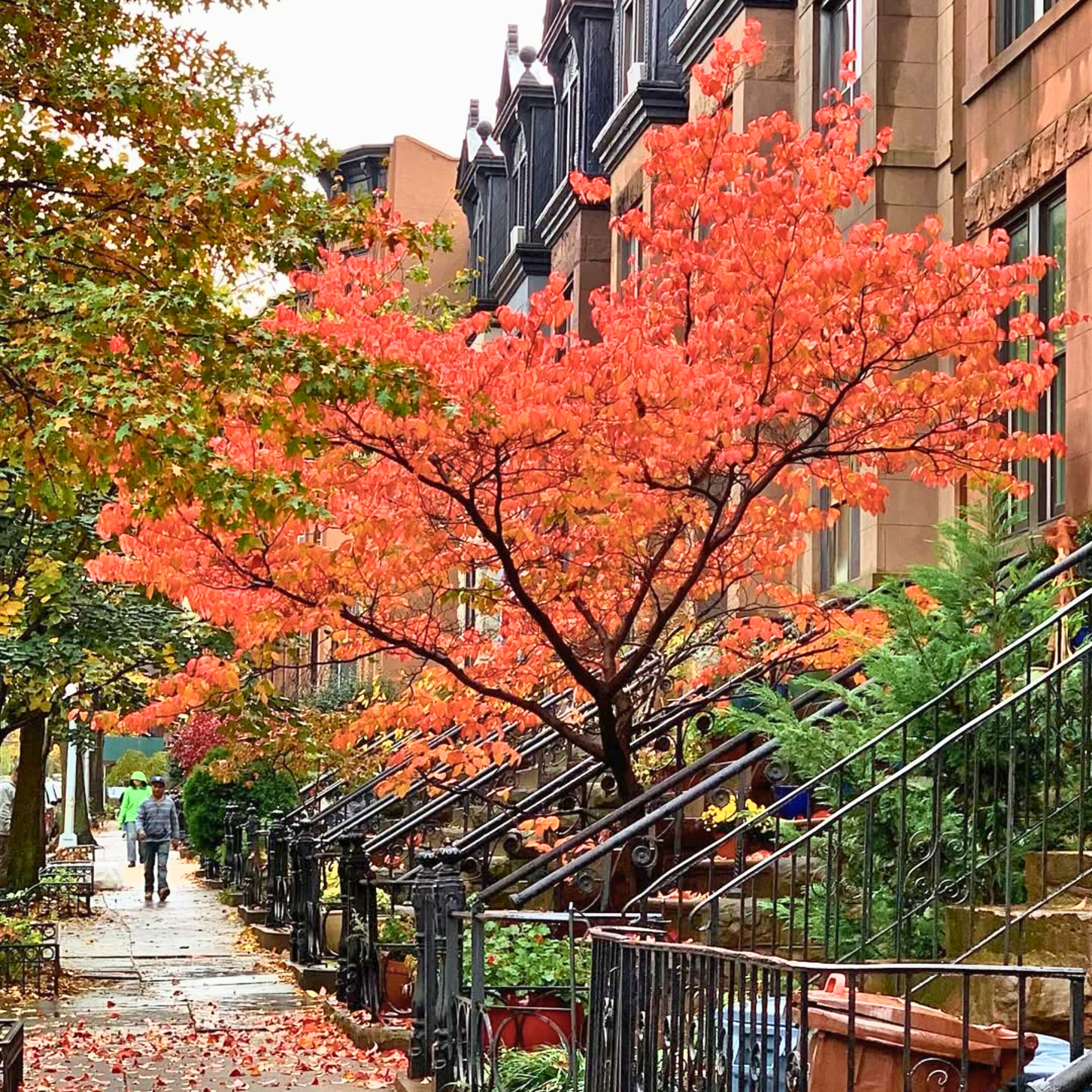
Between Prospect Park and Gowanus, Park Slope reveals Brooklyn’s softer side—where community, craft, and calm shape the city’s most enduring charm.
There are corners of Brooklyn that feel less like places and more like moods. Park Slope is one of them. On any given morning, sunlight slides across brownstone façades, spilling through the tree canopy that arches above Seventh Avenue. The air smells faintly of espresso and tulips from the corner florists. The hum of the city softens here, replaced by stroller wheels, jazz riffs from an open café door, and the easy chatter of neighbors who have known each other for years.
I have always thought of Park Slope as a pause—a quiet punctuation mark in a city that rarely stops moving. It is not sleepy, but it carries a softness: a deliberate, confident calm that makes even a routine coffee run feel cinematic. This week’s spotlight lingers here, where Brooklyn’s everyday beauty feels effortless.
Table of Contents Show
The Essence of Park Slope
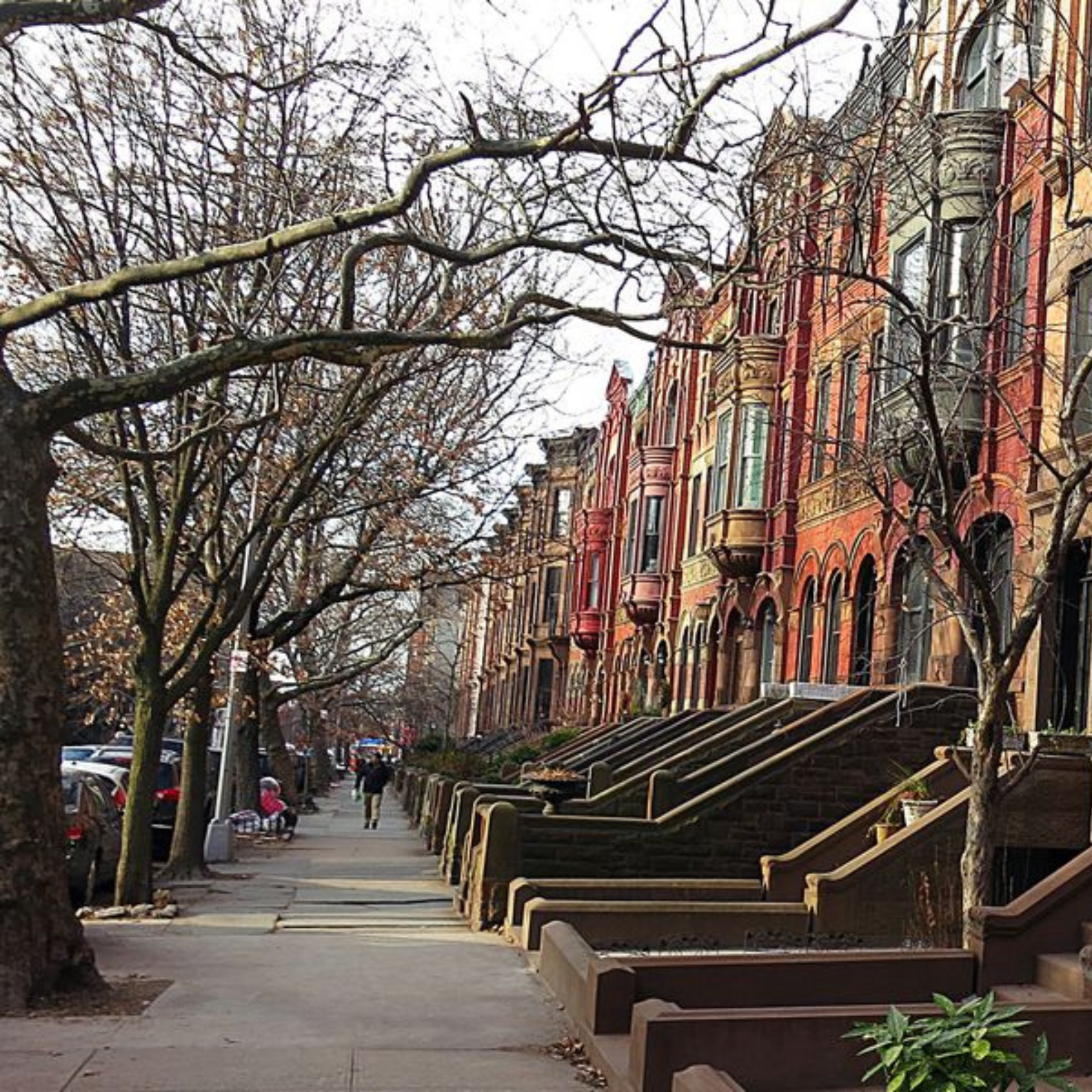
Part residential haven, part cultural enclave, Park Slope manages to feel timeless without slipping into nostalgia. Tree-lined blocks stretch from the edge of Prospect Park toward the industrial border of Gowanus, shifting seamlessly from elegant to eclectic. On weekends, locals fill the sidewalks with market bags and bouquets, moving at a pace that reminds you this is a neighborhood that knows itself.
What gives Park Slope its soul is its balance—the meeting of creative energy and domestic rhythm. Writers, artists, and academics have long gravitated here, drawn by the kind of inspiration that blooms quietly and lasts.. There is an unspoken appreciation for craft: from the barista steaming oat milk with intention to the baker shaping croissants before dawn.
Eat + Drink in Park Slope: Everyday Indulgence
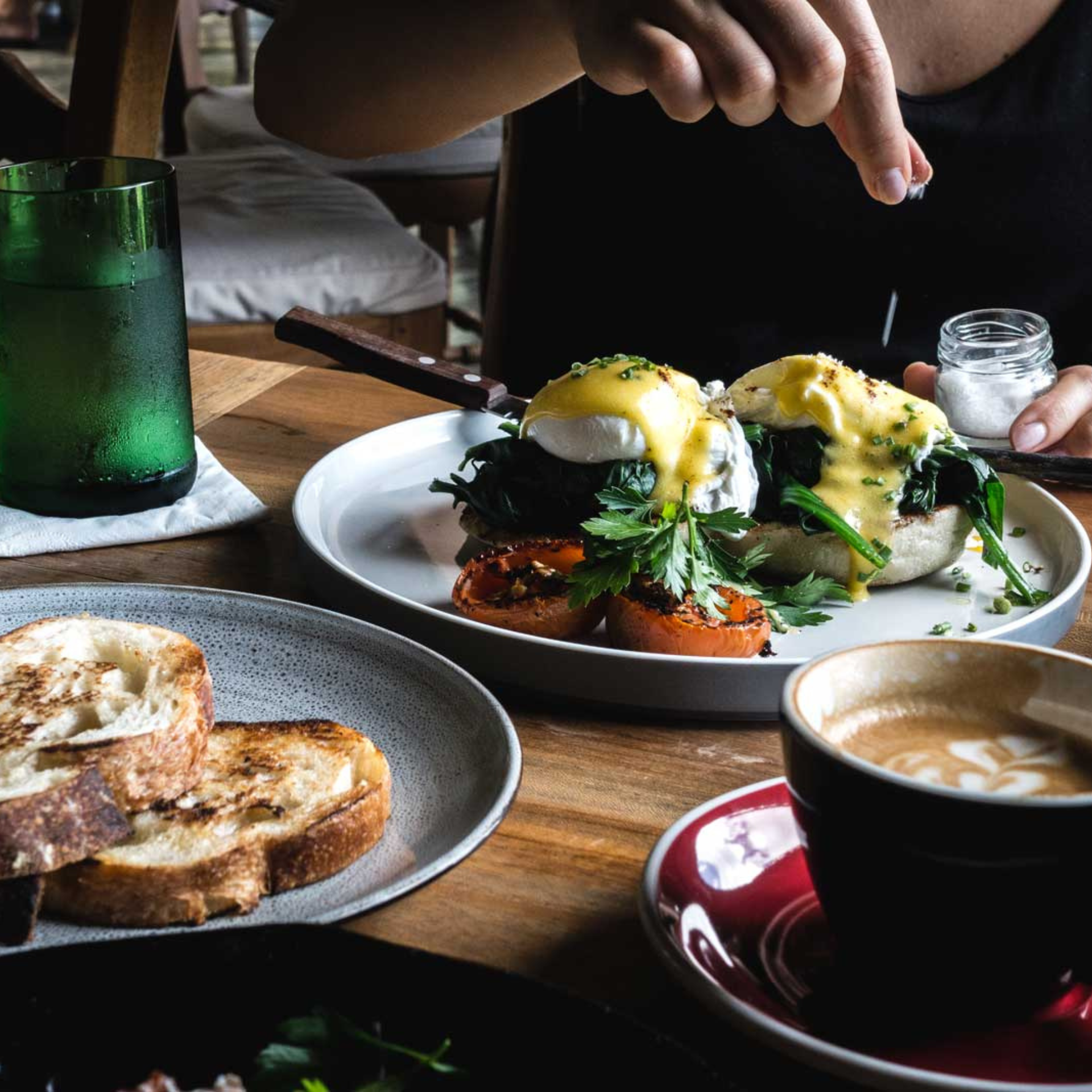
Dining in Park Slope is rarely about appearances; it is about feeling taken care of.
At Palo Santo on Union Street, the weekend brunch invites slow mornings in a brownstone setting, where Pan-Latin dishes share space with bright cocktails. The décor and service emphasize warmth and welcome—no airs, just good food and a quietly refined atmosphere.
A few blocks away, Winner Bakery [367 7th Avenue] is a Park Slope fixture known for its sourdough and pastries. Locals come early for coffee and bread, and the line is often long by lunchtime.
For an intimate dinner, Al di Là Trattoria remains a Park Slope mainstay. Their menu centres on handmade pasta and carefully selected wines, while the dining room offers the kind of welcoming atmosphere that quietly holds your attention. It’s a place where simplicity feels genuinely seductive.
If you are chasing a nightcap, Bar Louise on 7th Avenue offers a quietly confident kind of charm—no velvet ropes, no attitude. The menu leans toward seasonal cocktails and natural wines, each made with an attention to balance rather than flash. It’s the sort of place that feels effortlessly local, where the conversation matters as much as the drink in your hand.
What to Do + See in Park Slope: Culture in the Details
The beauty of Park Slope is that its culture does not demand your attention; it invites it.
Start at Prospect Park, the neighborhood’s green heart and a masterpiece of Olmsted and Vaux. Early mornings bring runners, readers, and dog-walkers to its open meadows. The Long Meadow, nearly a mile long, offers one of the most expansive green stretches in the city.
For something quieter, step inside Community Bookstore on Seventh Avenue. Its creaky wooden floors and a resident cat help shape an atmosphere meant to slow you down. It is common to overhear a conversation about James Baldwin or Elena Ferrante between strangers browsing in the poetry section.
Culture here is not limited to galleries or big institutions. At Troubled Sleep, a quietly magnetic bookstore on Sixth Avenue, shelves are filled with small-press titles and literary fiction that invite discovery. Just a few blocks away, the Old First Reformed Church stands as one of Park Slope’s oldest landmarks.
A Gothic Revival beauty from 1888 that still hosts concerts and community gatherings. Together, they reflect what makes this neighborhood distinctive: a devotion to the written word, shared spaces, and the kind of culture that lives not in spectacle, but in presence.
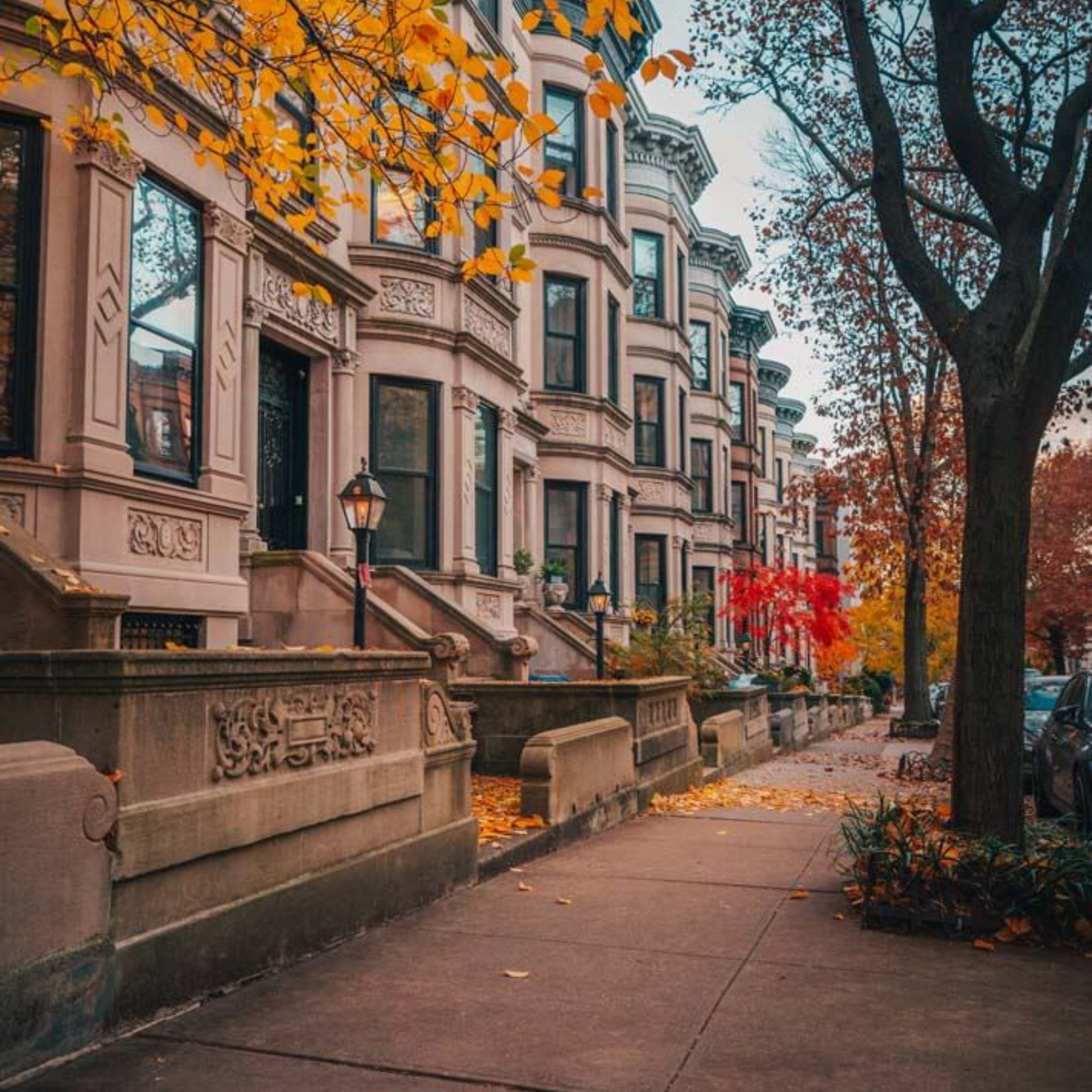
Art lovers might wander to the Brooklyn Conservatory of Music, where student recitals and community concerts bring performance into the borough. On the surrounding blocks, stoops and brownstones supply unexpected moments of art and architecture.
Shop + Wander: Small Pleasures
Park Slope’s shops mirror its residents—thoughtful, eclectic, occasionally whimsical.
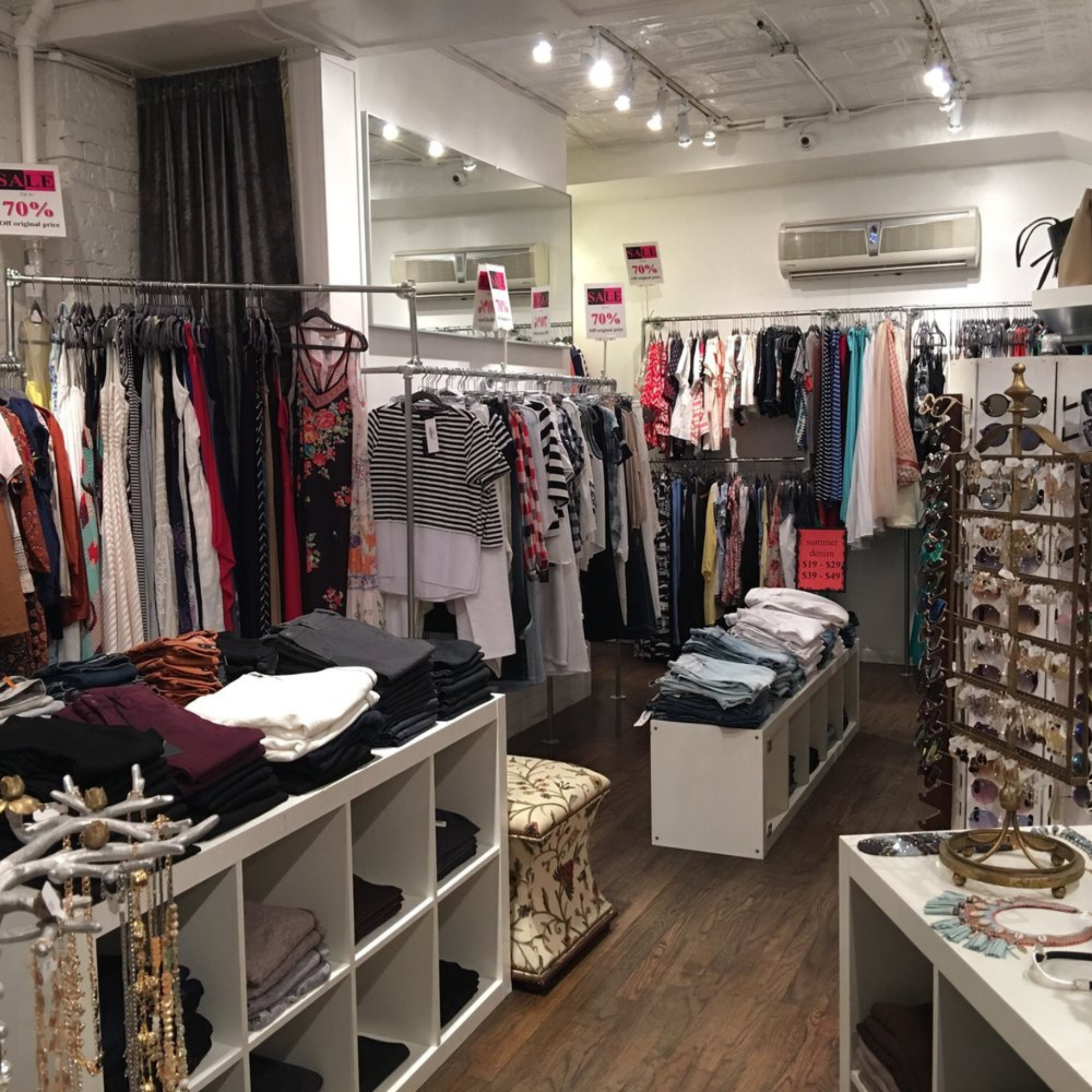
At Slope Home [229 5th Avenue, Brooklyn], you will find handcrafted housewares and antiques curated with the eye of a stylist. Something Else on Seventh mixes indie designer fashion with locally made jewelry, while Powerhouse on 8th merges books and community events in one welcoming space.
Sundays are for wandering through the Grand Army Plaza Greenmarket, where farmers from upstate arrive before dawn. There is something grounding about it—fresh bread next to honey jars, apples next to wildflowers. Even if you leave empty-handed, the experience feels abundant.
When to Visit Park Slope, Brooklyn
Though Park Slope charms year-round, it is arguably at its best in spring and autumn. Cherry blossoms along Prospect Park West frame the brownstones in pastel clouds. While autumn’s amber light makes the streets look cinematic. Mid-week mornings are quietest, but Sunday afternoons offer the best people-watching—artists sketching, couples reading on stoops, children biking in formation.
The Rhythm of Stillness
What makes Park Slope special is not its trendiness—it is its quiet confidence. In a city that measures value by velocity, this neighborhood thrives on the opposite: the art of slowing down. There is no rush to discover the next thing because the best parts are already here, unfolding at their own tempo.
If you slow down long enough, you will notice that everything about Park Slope—its cafés, its conversations, its quiet ambition—teaches you a small lesson in presence. It is a reminder that luxury does not always need glitter; sometimes it looks like sunlight on a brownstone stoop.
For a deeper look at where to eat, shop, and explore, read our full Insider Guide to Park Slope, Brooklyn.
🗝 Explore More
Things to Do in NYC This November →
Subscribe to The Local Edit →