From the new $45 TSA verification fee to landmark hotel transparency laws, NYC New Travel Rules for 2026 are reshaping how visitors prepare before they arrive.
For years, travel advice lived in the fine print, easy to ignore until something went wrong. Over the past year, that fine print has moved to the foreground. New federal requirements, shifting airline policies, and stricter enforcement have quietly reshaped what it means to travel within the United States. And nowhere do those changes surface more quickly than in New York City, a place built on constant arrivals.
Whether you are flying in for a long weekend, returning after years away, or planning multiple domestic trips this year, understanding the new travel landscape matters. Not because it is dramatic, but because it is practical. These are the details that determine whether your trip begins with momentum—or unnecessary friction.
Here is what has changed, what actually matters, and how to arrive in New York prepared.
Table of Contents Show
REAL ID Is No Longer Optional
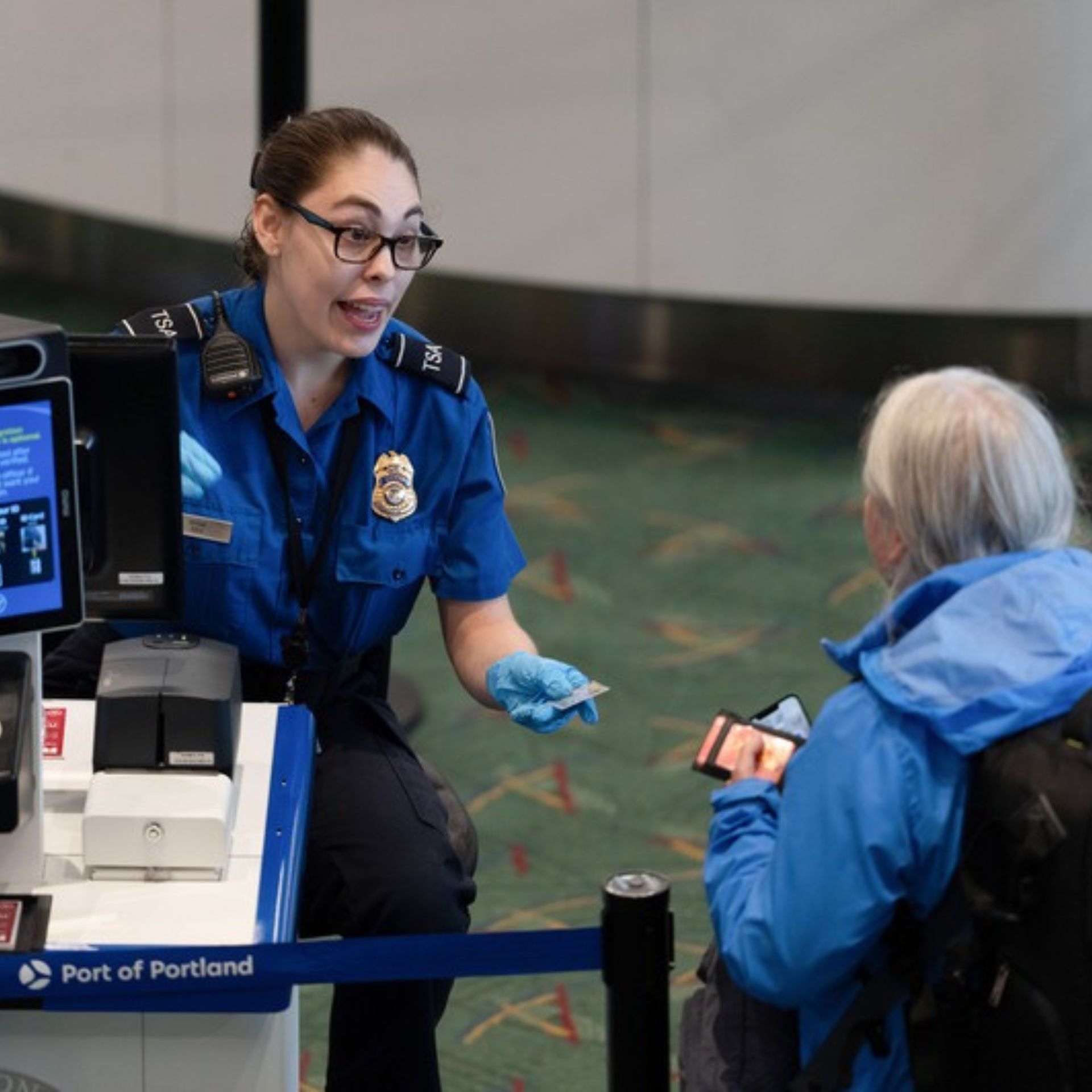
The most significant shift for domestic travelers is the full enforcement of REAL ID requirements at U.S. airports. The policy has been years in the making, but as of 2025, it is no longer theoretical. It is active, and beginning February 1, 2026, it carries a financial consequence.
If you are flying within the United States, your driver’s license must be REAL ID–compliant unless you are traveling with a passport or another TSA-approved form of identification. Many travelers assume their current license qualifies, only to discover at the security checkpoint that it does not.
New York City sees a high volume of short domestic trips—Friday arrivals, Sunday departures, and last-minute bookings. These are exactly the travelers most likely to feel the impact of enforcement.
As of February 1, 2026, TSA introduced ConfirmID. Travelers who arrive without acceptable identification may complete an identity verification process for a $45 fee. The process can take up to 30 minutes and is valid for 10 days. If your return trip falls within that 10-day window, the verification covers both directions. Travelers staying longer than 10 days should expect to repeat the process for their return flight. TSA also recommends completing payment through Pay.gov before arriving at the airport. Without prepayment, travelers may be directed out of the security line to complete the transaction, adding additional time to the process.
It is designed as a contingency option, but in practice, it places both the cost and the delay on the traveler.
The takeaway is simple: check your identification now, not the night before your flight. If your license is not REAL ID–compliant, travel with a passport. The $45 option exists as a safeguard. It should not be your plan.
Airlines and Refunds: A Subtle Power Shift
Airline refunds have long been one of travel’s most frustrating gray areas. Over the past year, that uncertainty has narrowed, though not entirely.
New federal guidance now clarifies when travelers are entitled to refunds. Not vouchers or credits, but money returned to the original form of payment, particularly in cases of significant delays, cancellations, or airline-initiated schedule changes. Enforcement still varies, but the rules themselves are clearer than they have been in decades.
For New York travelers, this matters more than most. Weather disruptions, air traffic congestion, and operational delays affect the region’s airports with unusual frequency. Knowing your rights changes how you respond when plans shift.
If an airline cancels your flight or makes a substantial change to your itinerary, you are generally entitled to a refund, even if you choose not to rebook. This applies regardless of whether the disruption was caused by weather or airline operations.
One important nuance: the Department of Transportation has paused enforcement of refund requirements for flights that are simply renumbered, where the route and timing remain unchanged—through June 30, 2026. A flight number change alone does not automatically trigger a cash refund.
That pause is narrow. Federal enforcement remains strict when airlines make meaningful changes, such as significant delays or changes to your departure or arrival airport. In those cases, your right to a refund still applies.
The most useful habit is documentation. Save screenshots. Keep confirmation emails. If necessary, escalate beyond customer service. This is not about confrontation. It is about clarity.

Pricing Transparency Is Improving. In New York City, It Is Becoming the Law.
Another quiet shift is happening around pricing transparency. Increased federal and state scrutiny has pushed airlines, hotels, and booking platforms to disclose mandatory fees earlier in the booking process.
For travelers coming to New York City, where resort fees, destination charges, and service add-ons have long been buried in the final steps, this change carries particular weight. Here, transparency is no longer just a trend. It is becoming a local requirement.
New York City has finalized a rule banning hidden hotel fees, including charges labeled as destination fees, resort fees, or hospitality service fees, along with unexpected credit card holds. The rule takes effect on February 21, 2026. Hotels operating in, or advertising to, New York City must display the full price of a stay upfront, inclusive of all mandatory charges. The rule also extends beyond the five boroughs. Hotels outside New York that market to New York City consumers are subject to the same requirements, an added layer of protection for locals booking travel elsewhere.
The shift represents meaningful progress, but some caution remains appropriate. Booking platforms and third-party sites may take time to fully align. BKLS advice remains the same: review the total cost before confirming, especially when booking NYC hotels.
For years, the difference between a fairly priced stay and an inflated one appeared on the final screen. After February 21, it should not.
New York City Travel Is More Event-Driven Than Ever
Travel rules don’t exist in isolation; they move alongside demand. New York is entering a period of increasingly event-driven travel, shaped by major cultural programming, international events, and a steady return of global visitors.
The impact shows up quickly. Availability tightens. Prices move earlier. Weekends that once felt predictable now fill months in advance. Flexibility—once convenient, has become a quiet advantage.
Knowing the rules matters. But in New York right now, timing matters more.
The BKLS Arrival Checklist
Before your next NYC trip, ask yourself:
- Is your identification REAL ID–compliant, or will you be traveling with a passport?
- Do you understand your refund rights if your plans change, and where those rights may be limited?
- Have you reviewed the full cost of your stay, including all mandatory fees?
- Are your travel dates aligned with a high-demand weekend or major city event?
Travel to New York has not become more difficult. It has become more precise. The travelers who notice the difference are the ones who arrive unprepared.
New York rewards confidence, clarity, and momentum. Understanding the rules is not about compliance. It is about protecting the experience from the moment you land.
Arrival Starts Before You Land
The mechanics of travel may have changed, but the goal has not. New York still rewards the same things it always has: preparation, awareness, and the ability to move through the city with confidence.
The difference now is that the details matter more. Identification, timing, pricing, and policy are no longer background considerations. They shape the pace of your trip from the moment it begins.
Travel to New York has not become more complicated. It has become more exact. The travelers who move through it with ease are the ones who arrive informed, flexible, and ready.
Because in this city, the experience does not start at check-in or after your first reservation.
It starts the moment you land—prepared, focused, and already in motion.