Stop scrolling through endless lists. We have handpicked 50+ venues worth your time during NYC Must-See Week 2026 (Jan 20-Feb 12). From Edge’s sky-high glass floors to MoMA’s iconic galleries to intimate jazz at Lincoln Center.
Last Updated: January 2026
There is a particular quality to New York in late January. A quiet lull between the holiday glitter and spring’s first warmth, when the city settles into itself. It is precisely this moment that NYC Must-See Week inhabits. Transforming what could be winter’s slowest weeks into something unexpectedly vibrant.
Running from January 20 through February 12, 2026, this annual celebration opens the doors to the city’s most compelling cultural destinations with a simple, elegant offer: two admissions for the price of one. It is not about spectacle or novelty. It is about access to the museums you have meant to visit, the tours you have postponed, the performances you have only read about.
Since its debut in 2017, Must-See Week has quietly redefined how New Yorkers and visitors engage with the city during winter’s deepest weeks. What began as a modest promotion has evolved into something more meaningful: a city-wide invitation to slow down and actually experience the cultural richness that defines New York, without the pressure of peak season crowds or premium pricing.
This year, over sixty attractions across all five boroughs are participating, from intimate distillery tours in Brooklyn to sweeping observatory views in Manhattan, from hidden museum gems to legendary performance venues. The diversity is the point; there is no singular “must-see” experience, only the one that speaks to you.
Table of Contents Show

Understanding Must-See Week
The structure is refreshingly straightforward. Purchase one ticket and bring a guest, or bring yourself twice if that suits you better. The 2-for-1 offer applies at the point of purchase using the code MSW26, valid at participating venues throughout the three-week window.
Each attraction determines what is included, certain tour types, specific exhibits, and particular ticket levels, so confirming details directly with the venue saves disappointment later. The event runs concurrently with NYC Restaurant Week and NYC Broadway Week, creating what amounts to the city’s most comprehensive winter cultural offering if you are inclined to layer your experiences.
The real value, though, is not simply financial. It is the permission it grants to be curious, to wander, to finally visit that place you have passed a hundred times without entering. Winter in New York can feel insular; Must-See Week counters that impulse with an open door.

Brooklyn’s Offerings: From Craft to Performance
Brooklyn’s Must-See Week participants reflect the borough’s character, grounded, creative, and occasionally unexpected. The experiences here lean less toward theatrics and more toward texture, shaped by neighborhoods where culture is built slowly and lived daily.
Like A Local Tours offers exploratory walks through Williamsburg that feel closer to neighborhood orientation than sightseeing. These are not tourist routes but lived-in paths, designed to reveal how the area has evolved, block by block, through food, history, and local perspective. Even longtime residents may find themselves seeing familiar streets with fresh eyes. See Private NYC Tours | Public NY Food Tours
In Dumbo, Beat The Bomb takes a different approach entirely. The city’s first immersive digital gaming experience turns teamwork into performance—loud, kinetic, and occasionally absurd. It is everything winter tends to resist: physical, communal, and unapologetically energetic.
Must-See Week: Craft, Play, and Scale
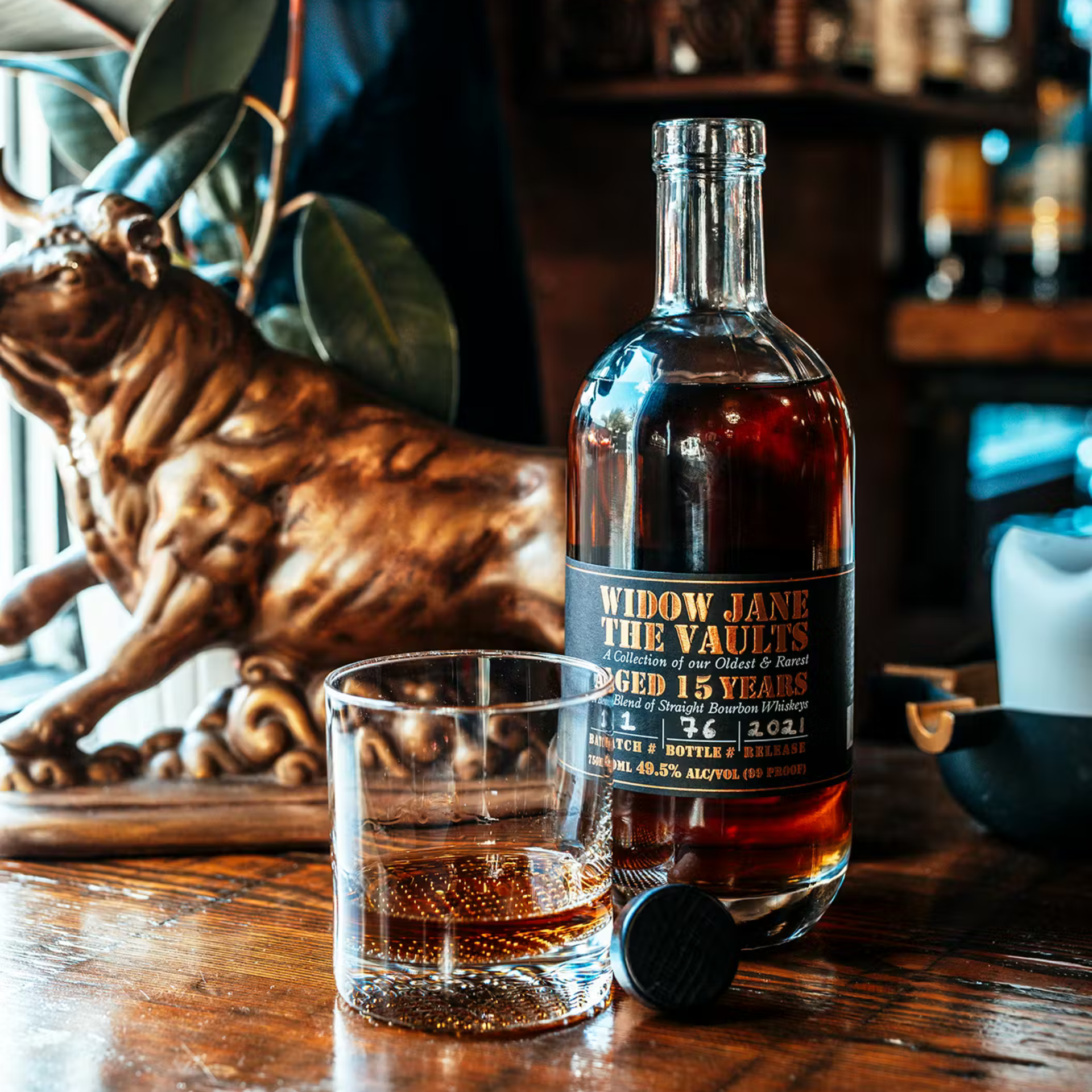
Brooklyn’s craft distilling scene anchors the borough’s slower pleasures. Kings County Distillery in the Brooklyn Navy Yard continues to refine its post-Prohibition whiskey legacy through guided tours and tastings rooted in tradition. In Red Hook, Widow Jane Distillery offers a more expansive experience. Part distillery, part bar, part neighborhood stop, just a short walk from the ferry. It is easy to make an afternoon of it, or simply pause for a pour before heading back across the water.
Nightlife in Brooklyn favors participation over polish. Brooklyn Bowl remains a rare hybrid where live music, bowling, and serious food coexist without irony. In Bushwick, Xanadu Roller Arts reimagines roller skating as a social ritual. Complete with live music, food, and a community-driven energy that feels unmistakably local.
At the borough’s largest scale, Barclays Center rounds out the lineup with major sports and entertainment events. Its calendar shifts constantly, making it worth checking dates closely. But when timing aligns, it offers a high-energy counterpoint to Brooklyn’s more intimate cultural spaces.

Must-See Week: Manhattan’s Cultural Landscape
Winter sharpens New York’s skyline. The air is clearer, the light more precise, and the city’s vertical drama feels easier to read than in warmer, hazier months. NYC Must-See Week gathers the city’s most compelling vantage points, but how you choose to experience them matters.
Observation & Perspective
Top of the Rock feels especially aligned with midwinter. The views stretch north toward Central Park and south through Midtown without overwhelming the senses, offering orientation rather than spectacle. With lighter crowds and a calmer pace, the balance between height, history, and context makes this an observation deck for visitors and locals who want to understand New York, not simply document it.
Downtown, One World Observatory delivers a more cinematic ascent. The elevator ride alone carries a sense of narrative, opening onto sweeping views of Lower Manhattan that feel particularly striking on clear winter mornings, when the harbor and skyline read with uncommon clarity.
Further west, Edge at Hudson Yards trades contemplation for sensation. Glass floors and angled walls suspend visitors over the West Side, creating an experience rooted in adrenaline rather than reflection.
BKLS Tip: Not sure which one to choose? Read our guide to the observation decks in New York City to compare views.
And then there is the familiar presence of the Empire State Building. Its 86th- and 102nd-floor observatories remain timeless. Rewarding familiarity with panoramic views that never entirely lose their impact, especially in winter, when visibility stretches the skyline farther than expected.
Must-See Week Cultural Institutions
New York’s cultural institutions tell multiple stories at once, artistic, civic, historical, and deeply personal. During Must-See Week, the range feels especially expansive, inviting slower, more intentional visits when winter quietly sharpens attention.
The Museum of Modern Art feels especially aligned with the season. With fewer crowds and a more contemplative pace, winter visits allow space to sit with work that’s often rushed past the rest of the year. This is the moment to revisit artists you think you already know and notice how differently the work lands when the city outside feels subdued.
That contemporary conversation continues downtown at the Whitney Museum of American Art, where American voices—both living and established—are framed by views of the Hudson that feel starker and more precise in winter light. Uptown, the Solomon R. Guggenheim Museum offers a different rhythm entirely, its spiraling interior shaping how art unfolds and encouraging a slower, architectural experience that suits quieter weekdays.
History takes center stage at the Museum of the City of New York, where four centuries of the city’s evolution are traced through the lives of its people, the development of its neighborhoods, and the shifts in its culture. In Lower Manhattan, the 9/11 Memorial & Museum offers a more solemn kind of engagement. Winter’s stillness amplifies its impact, creating space for reflection as the museum honors lives lost and explores the lasting global consequences of September 11.
Culture, Reframed
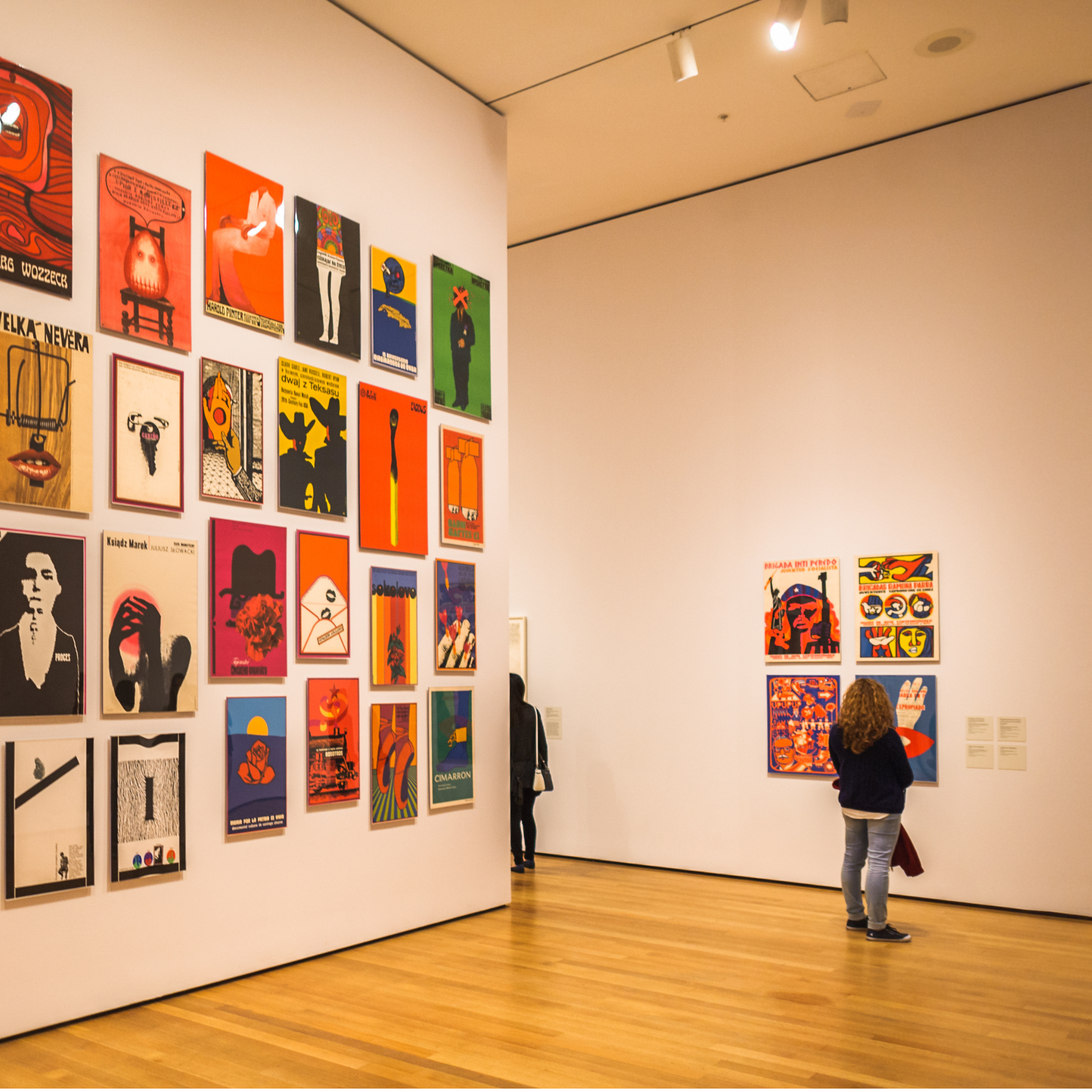
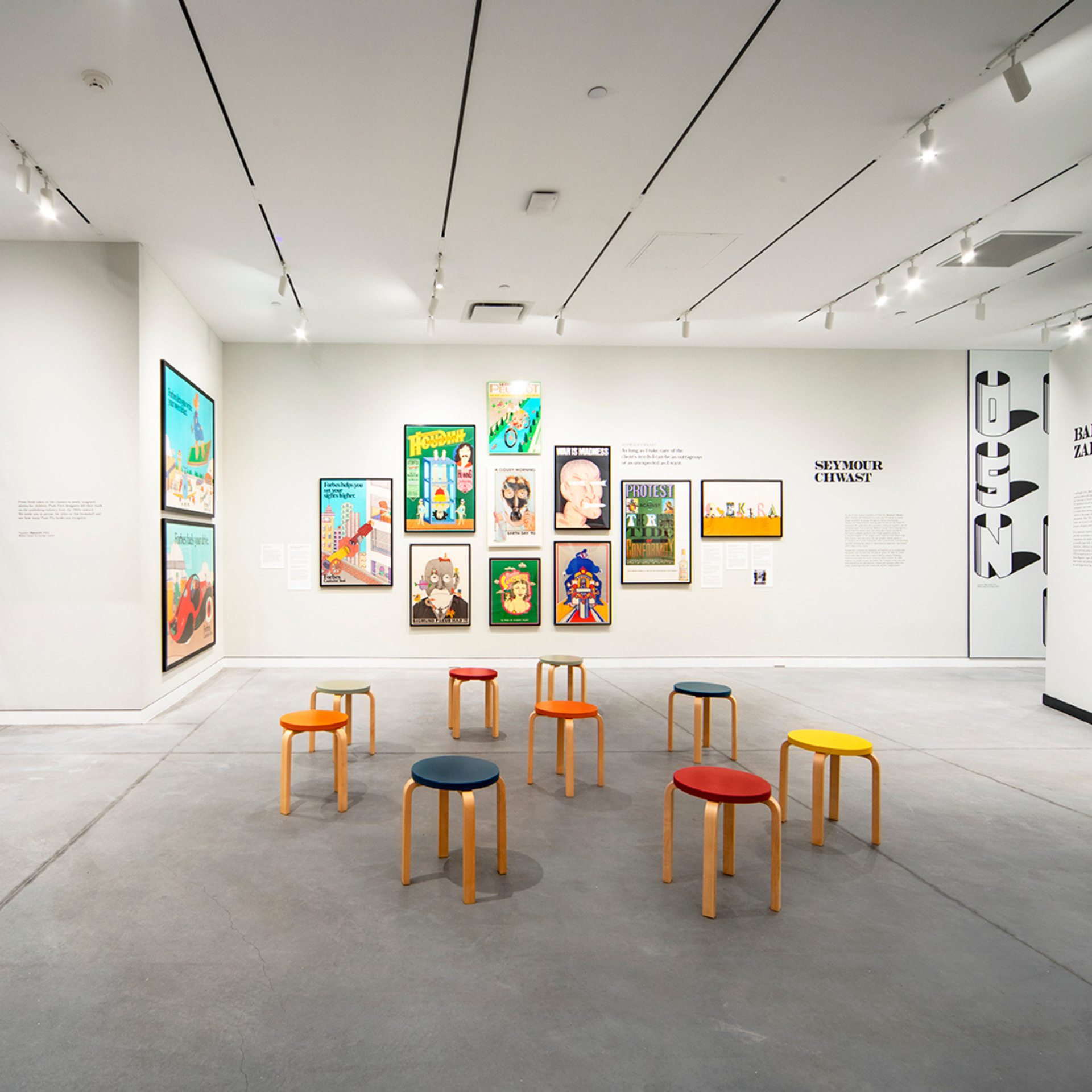
Smaller institutions provide focused, often surprising perspectives. Poster House in Chelsea is the country’s only museum dedicated entirely to poster design, revealing how graphic language has shaped politics, culture, and commerce. Nearby, the Fraunces Tavern Museum preserves the site of George Washington’s farewell to his officers, grounding revolutionary history in one of Manhattan’s oldest standing buildings.
Design and craft take precedence at the Museum of Arts and Design, where multidisciplinary exhibitions highlight artists working across materials and disciplines. On the Lower East Side, the Museum at Eldridge Street transforms a restored synagogue into a living cultural space, blending architecture, heritage, and contemporary programming.
Technology-forward experiences round out the offerings. ARTECHOUSE in Chelsea explores the intersection of art, science, and technology through immersive installations. While Mercer Labs in Lower Manhattan pushes that experimentation further, blurring the line between exhibition and environment.
For visitors drawn to global context and large-scale history, guided tours of the United Nations Headquarters offer a rare look inside one of the world’s most consequential institutions, framing New York as a meeting place for international diplomacy. Nearby on the West Side, the Intrepid Museum transforms a historic aircraft carrier into an expansive exploration of military, maritime, and aerospace history—hands-on, immersive, and well-suited to winter days.
More playful experiences also have their place. Madame Tussauds New York leans into pop culture spectacle. Eclipso in Hell’s Kitchen uses virtual reality to reimagine historical moments and narrative worlds.

Must-See Week: Tours & Experiences
Winter shifts how New York is best experienced, favoring movement, structure, and guided perspective over open-ended wandering. NYC Must-See Week reflects that shift, offering tours and experiences that reveal the city without demanding hours outdoors.
Circle Line Sightseeing Cruises feels especially compelling this time of year. From the water, the skyline reads differently. Crisper, quieter, and uninterrupted, offering a sense of scale that walking can not replicate in colder months. TopView Sightseeing provides a complementary perspective, trading immersion for efficiency as double-decker buses connect major landmarks without the fatigue winter streets can bring.
In Central Park, movement becomes part of the experience. Central Park Conservancy offers expert-led walking tours that uncover the park’s design, history, and seasonal rhythms. Bike Rental Central Park allows visitors to cover more ground, revealing the park’s winter beauty at a steady, self-directed pace.
Pop culture and architecture take focus in Midtown. On Location Tours brings film and television history to life through actor-led tours of familiar streets and scenes. The Rockefeller Center Tour peels back the layers of an iconic complex, revealing art, design, and architectural details often missed in passing.
Downtown, Great Jones Distilling Co. offers a distinctly seasonal pause. It is Part history, part tasting, and part reminder of Manhattan’s quiet whiskey revival. On the water once more, Liberty Cruise and Starship Tours & Events provide guided routes along the Hudson and East Rivers, combining narration with skyline views that feel especially sharp against winter skies.
For something more immersive, Color Factory in Hudson Square shifts the experience from observation to participation. Its color-driven installations offer a sensory counterpoint to the season. Playful, contained, and especially aligned with days when indoor experiences feel most inviting.

Must-See Week: Immersive Experiences
When winter limits spontaneity, immersive experiences offer a different kind of escape, theatrical and intentionally designed. NYC Must-See Week leans into that impulse with attractions that blur the line between museum, performance, and spectacle.
RiseNY in Times Square combines a soaring ride with a layered introduction to New York’s cultural history. Part attraction, part museum, the experience unfolds theatrically, offering movement, narrative, and perspective in a single, self-contained visit.
Nearby, the Museum of Broadway takes a more archival approach. Tracing the evolution of Broadway through immersive exhibits that highlight the artistry, labor, and legacy behind the productions that shaped American theater.
For something rooted in pop culture nostalgia, The FRIENDS™ Experience: The One in New York City in Gramercy recreates life-sized sets with original props and costumes. Inviting visitors into familiar spaces like Central Perk and Monica’s apartment. It is unabashedly nostalgic—and deliberately so—designed less for discovery than for shared memory.

Performance Venues
Winter has always been New York’s most natural performance season. As the city turns inward, its stages come alive. It offers structure, ritual, and a reason to gather after dark. During Must-See Week, the range of performances reflects the city’s depth, from grand institutions to intimate rooms where proximity becomes part of the experience.
At Lincoln Center, the city’s classical anchors take focus. Metropolitan Opera and the New York Philharmonic continue their long-standing roles as custodians of large-scale orchestral and operatic tradition. While Jazz at Lincoln Center and Dizzy’s Club offer a more intimate lens on jazz, one that honors its history while keeping the music firmly alive in the present.
Further south, Carnegie Hall remains a constant. Its calendar moves fluidly between classical, jazz, and contemporary performances. Carnegie Hall Tours provides access beyond the stage, revealing the architecture and history behind one of the city’s most storied venues.
Dance holds its own place in the winter calendar. New York City Ballet presents works by Balanchine, Robbins, and contemporary choreographers, pairing technical precision with a sense of seasonal ritual that feels especially resonant in colder months.
Downtown, the Perelman Performing Arts Center brings a different energy to the lineup. Its flexible performance spaces support programming across theater, dance, music, opera, and film, encouraging experimentation and cross-disciplinary work in a setting that feels distinctly of the moment.
For audiences drawn to proximity rather than grandeur, smaller theatrical experiences offer a different kind of immersion. Broadway Magic Hour in Midtown West delivers a polished, family-friendly stage show built around illusion and spectacle. Steve Cohen Chamber Magic in Midtown East strips magic down to its essentials. Close-up, conversational, and designed to be experienced from just a few feet away.
Must-See Week: Nightlife
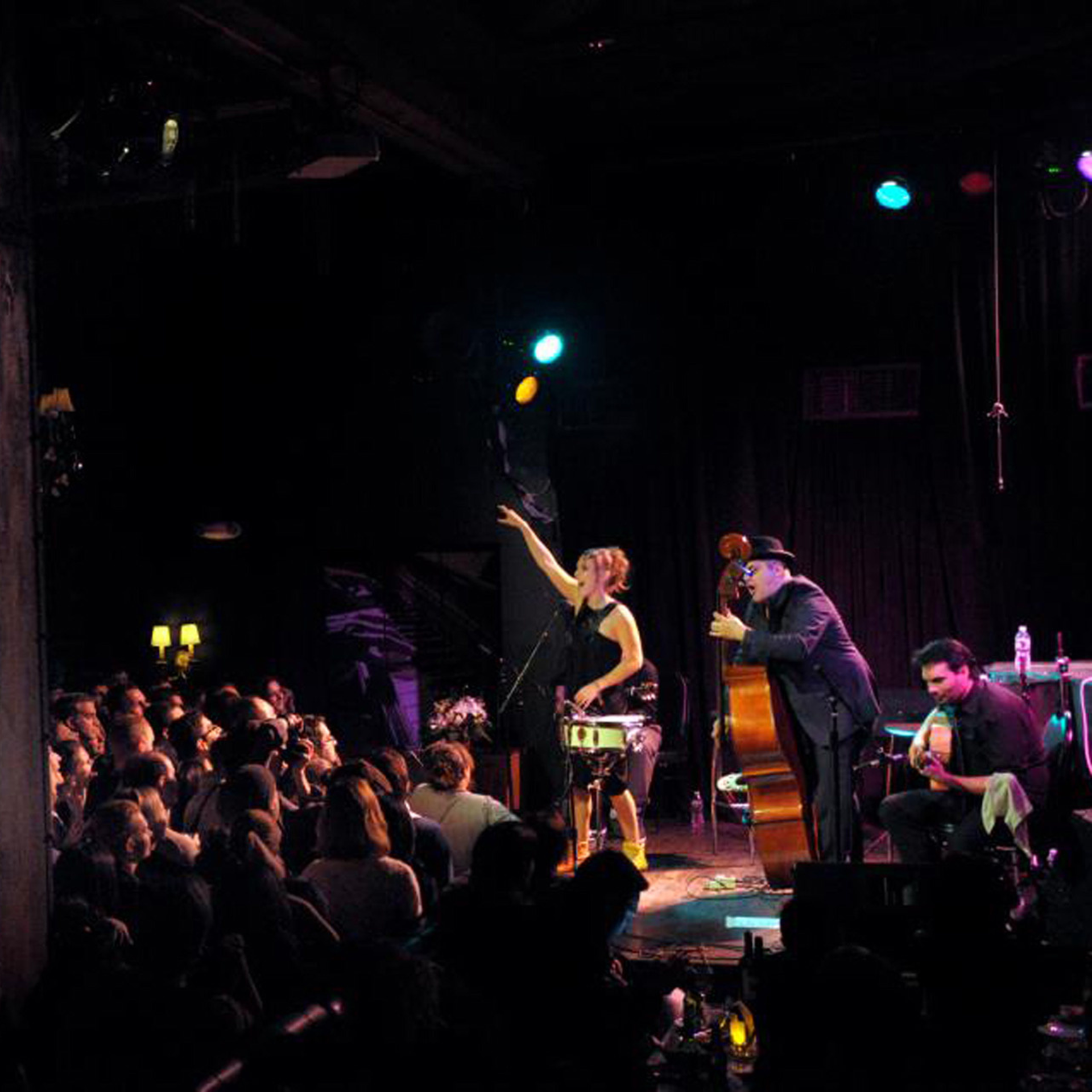
As nights stretch longer in winter, New York’s nightlife shifts toward spaces that feel contained, communal, and alive with sound. Drom NYC in the East Village leans into that energy, hosting global music, DJs, and cultural performances in an intimate setting where the room itself becomes part of the experience. With small plates and a crowd that skews curious rather than performative, it is a place where genres and audiences comfortably overlap.
For something lighter in tone, Comedy Village in Hell’s Kitchen offers nightly stand-up in a close, energetic room. The lineup blends emerging voices with more established comedians, creating shows that feel immediate and unpolished in the best way. Responsive to the moment, and well-suited to winter evenings that call for laughter over display.
Planning Your Experience for Must-See Week
The practical details matter less than the approach. Tickets are booked directly through each venue’s website or phone line using the code MSW26, with up to two redemptions per attraction. Four tickets total if you plan to return or visit with different guests.
The offer runs through February 12, 2026, leaving nearly three weeks to shape a winter cultural calendar that feels intentional rather than overstuffed. Because each venue sets its own parameters, checking time slots and reservation requirements in advance helps the experience unfold smoothly.
For locals, Must-See Week is a reminder that familiarity can sometimes blur curiosity. Living in New York does not mean you have seen it all. It simply means you have the luxury of choosing when to look more closely.
For visitors, the appeal lies in contrast. Well-known institutions sit alongside smaller, more unexpected spaces, allowing you to move beyond the obvious and encounter a version of the city that feels personal rather than prescribed.
Making It Yours
The most rewarding way to approach Must-See Week is selectively rather than comprehensively. Trying to maximize the offer can dilute the experience, rushing between venues, checking boxes, and accumulating visits without giving any one of them the attention it deserves.
Instead, think in pairings rather than lists. A museum visit followed by an afternoon distillery tour. An observation deck at sunset before an evening performance. A guided neighborhood walk that adds context to a later meal in the same area. These combinations allow the day to unfold with intention rather than urgency.
Winter days in New York are short, and Must-See Week works best when it acknowledges that reality. You will not see everything, and that is exactly the point. You will see what draws you, at a pace that leaves room for conversation, reflection, and the simple pleasure of sharing the experience with someone else.
The city will always offer more than anyone can fully absorb. Must-See Week does not attempt to solve that. It simply opens the door a little wider for a few weeks in late winter, reminding us that New York’s cultural life is not reserved for special occasions or visitors alone, but woven into the everyday pace of being here.
Must-See Week Essential Details
Dates: January 20 – February 12, 2026
Booking: Code: MSW26
Offer: Two admissions for the price of one at participating venues
Limit: Two redemptions per attraction [four total tickets per venue]
Website: NYC Must-See Week
Book directly through participating venues online or by phone. Each attraction sets its own participation parameters, so confirming specific offerings before purchase ensures the experience matches your expectations.
For cancellations or changes, contact the venue where you purchased tickets. Each location maintains its own policies, making advance review advisable.