New York dining has always been shaped by women. In 2026, the credit is finally catching up to the work.
In New York, the restaurant world has long relied on the work of women. They built the kitchens, trained the staff, and held the rooms together through every shift the industry and the city demanded. What is different in 2026 is that the credit is finally catching up.
This is not a list of women to support. It is a map of the people reshaping how the city actually eats. From a Harlem dining room that anchors its neighborhood to an East Village ramen counter, turning morning into a ritual. Some of these names are familiar. Others are newer. All of them are building something meant to last.
Table of Contents Show
The 2026 Portraits
To understand where New York dining is headed, look at the transitions. Some of the city’s most compelling kitchens right now are not led by chefs who followed a straight path. They are led by women who came from fashion, psychology, and corporate consulting before building something more personal and more lasting, inside New York’s food culture.
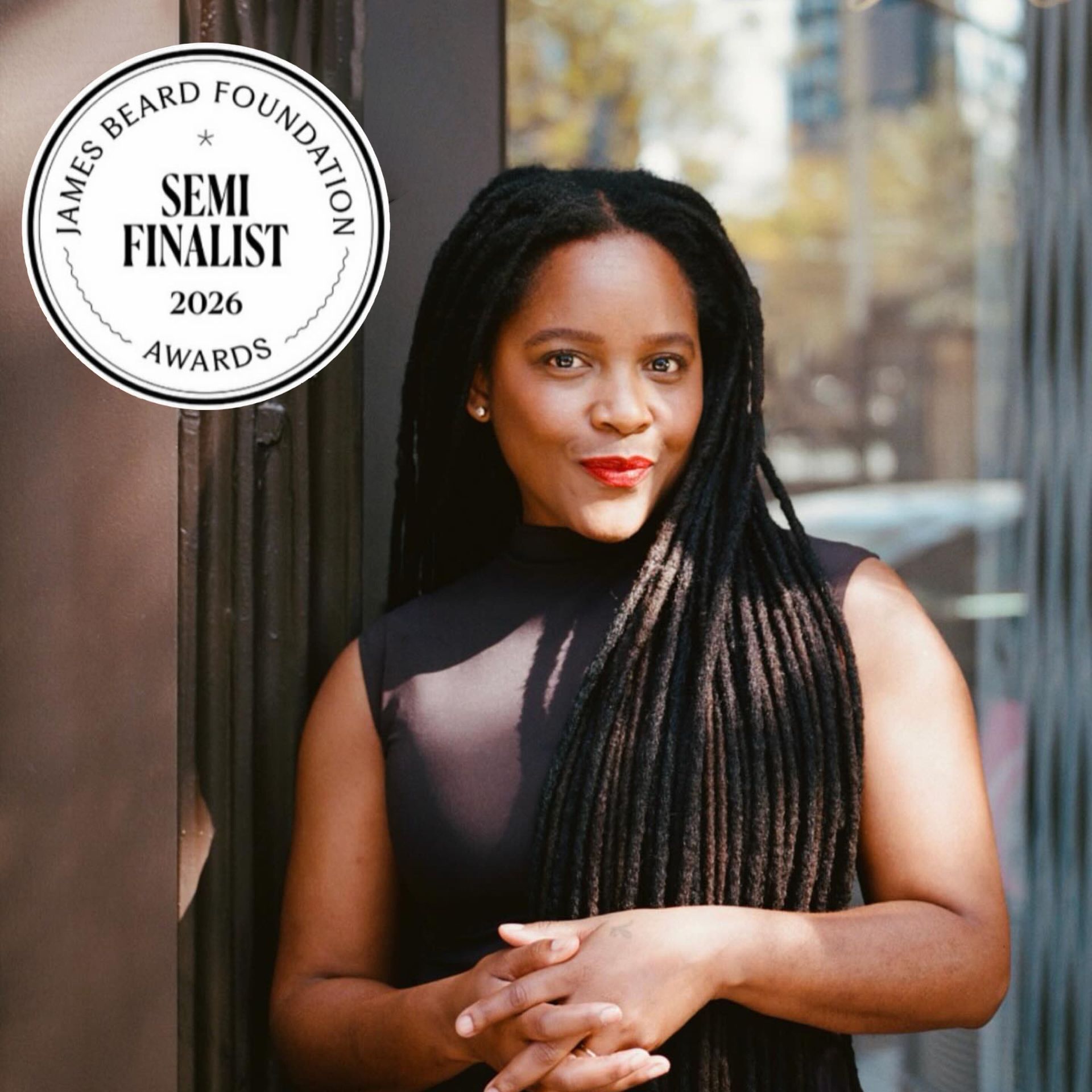
Ramen by Rā — Rasheeda Purdie
📍 Location: 70 East 1st Street — East Village, Manhattan | 🌐 Website: Ramen by Rā
Before she ever made ramen, Rasheeda Purdie built her career in fashion. As a high-end stylist, she worked with clients at Henri Bendel and dressed women connected to Beyoncé and Michelle Obama’s family. Her world was polished, visual, and fast-moving, built around image, precision, and instinct.
Food was not her original path. But when she pivoted, she did not approach it casually.
What drew her to ramen was not the trend; it was the process. The slow-simmered broths, the patience, the attention to detail. It reminded her of something familiar. The “low and slow” cooking she grew up with in her grandmother’s kitchen. Southern potlikker and Japanese shoyu were not opposites. They were cousins.
That connection became the foundation for Ramen by Rā in the East Village.
In 2026, Purdie became the first Black woman in the United States to own a ramen shop, and she opened it steps from where Princess Pamela ran her soul food saloon in the 1960s. The location is not incidental. It places her work within a longer story of Black women shaping the neighborhood’s food culture.
The Real Shift
Most headlines focus on her Bacon, Egg, and Cheese Ramen. It is a good hook. But the real shift is quieter. Purdie introduced the Japanese tradition of asa-ramen—morning ramen—and turned it into a New York ritual. Instead of coffee and a bagel, regulars start their day with a cup of hot broth.
The industry has taken notice. She was named a 2026 James Beard Emerging Chef semifinalist, a recognition that her work is moving beyond novelty and into the city’s long-term culinary conversation.
BKLS Note: Walk-ins welcome. Go for asa-ramen in the morning. It is one of the more quietly transportive experiences in the city right now. The Bacon, Egg, and Cheese Ramen is the signature order.
Explore Reservations: Resy
Hav & Mar — Fariyal Abdullahi
📍 Location: 245 11th Avenue — Chelsea, Manhattan | 🌐 Website: Hav & Mar
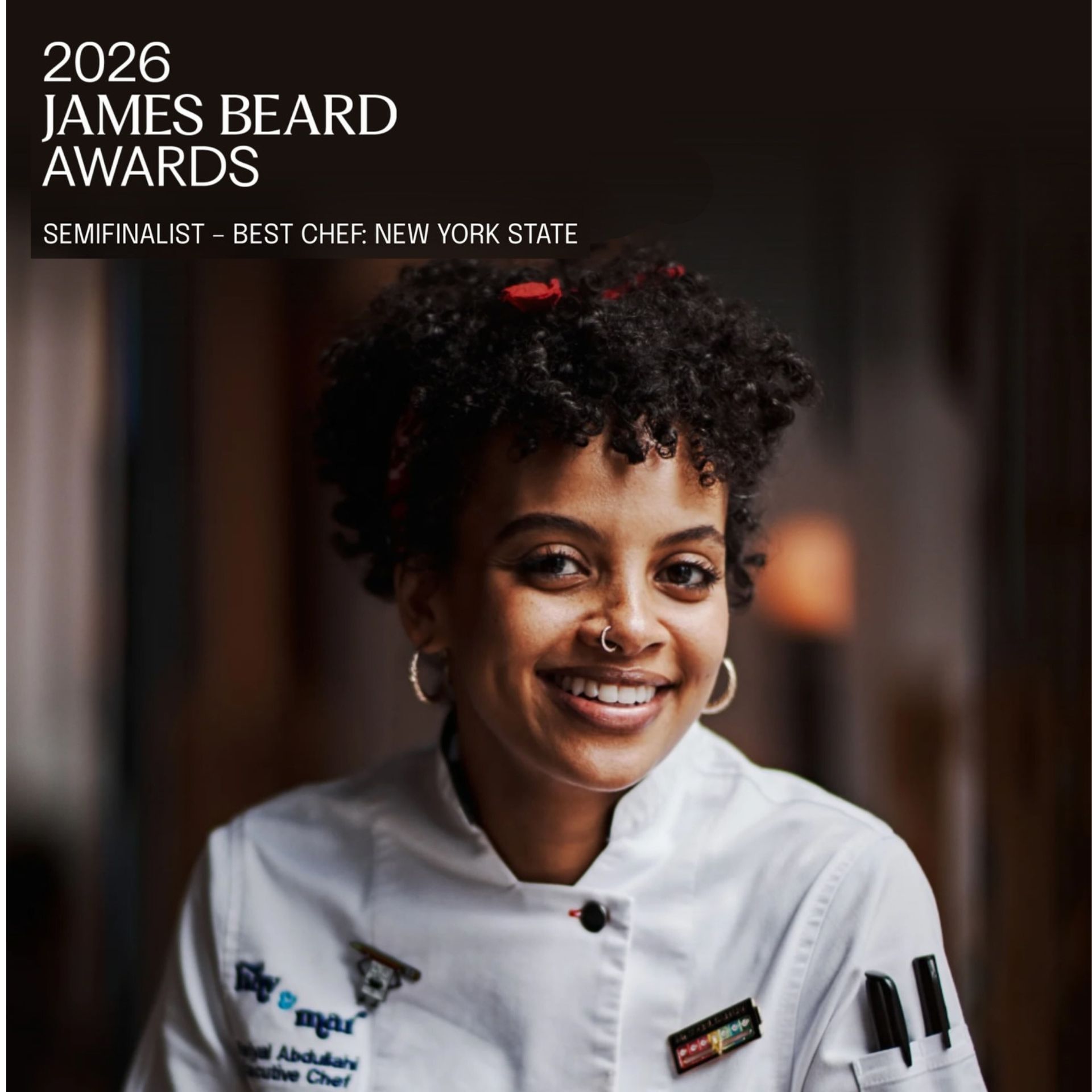
If Rasheeda Purdie’s story is about reinvention, Fariyal Abdullahi’s is about return.
Before she entered professional kitchens, Abdullahi studied Clinical Child Psychology and planned to become a therapist. The emotional weight of that work followed her home. Instead of applying to graduate school, she applied to culinary school.
That choice eventually led her to Noma in Copenhagen. Years in high-pressure fine dining followed. And then, during the pandemic, she stepped away, returning to Ethiopia, convinced she was finished with the industry entirely.
Her return to New York happened because of a different kind of opportunity. When Marcus Samuelsson asked her to lead the kitchen at Hav & Mar, the offer came with unusual freedom. Ethiopian flavors, Nordic technique, and the perspective she carried from both psychology and fine dining were not just welcome, they were the point.
A Different Kind of Kitchen
That influence shapes more than the menu. Abdullahi runs a kitchen built around empathy and structure rather than hierarchy and pressure. Staff retention is high. The environment is calm. The work is serious, but the culture is intentionally human.
The restaurant’s reach does not stop at the dining room door. Abdullahi leads a nonprofit in Ethiopia focused on building schools and expanding access to clean water, work funded in part by the restaurant’s visibility and success.
In 2026, she was named a James Beard Semifinalist for Best Chef: New York State. The recognition reflects technical skill. The larger story is about scale, using a restaurant not just as a creative platform, but as a sustainable engine for change.
BKLS Note: Reservations recommended via Resy. The seafood-forward menu changes with the season. Trust the tasting menu if you want the full range of what Abdullahi is doing. This is one of the most quietly important kitchens in the city right now.
Explore Reservations: Resy

Hana Makgeolli — Alice Jun
📍 Location: 201 Dupont Street — Greenpoint, Brooklyn | 🌐 Website: Hana Makgeolli
If Purdie’s story is about reinvention and Abdullahi’s is about return, Alice Jun’s is about recovery.
At first glance, Hana Makgeolli in Greenpoint looks like a small, minimalist tasting room. What is happening inside is something much larger.
Jun did not set out to open a bar. She set out to restore a tradition.
Before Hana Makgeolli, Jun worked in business and consulting. But long before her corporate career, she had learned to brew makgeolli—traditional Korean rice wine—from her father, who learned it from his mother. For decades in Korea, home-brewing had been restricted due to government rice controls, turning what was once a household practice into a quiet, generational skill passed down within families.
When Jun moved to New York, she discovered something unexpected: real makgeolli did not exist here. The bottles available were shelf-stable, mass-produced, and heavily processed. The living, fermented version she knew from home was missing.
So she began brewing again in her apartment.
Building the Category
What started as a personal practice became a decision to leave her corporate career and build something the market did not yet understand. Opening Hana Makgeolli meant more than launching a business. It required working with the New York State Liquor Authority to establish how traditional Korean rice wine would even be classified and sold.
Today, that effort has reshaped the category.
Jun produces small-batch takju, unfiltered, naturally fermented rice wine using only rice, water, nuruk, and grain. No stabilizers. No shortcuts. The result is a drink with texture, acidity, and variation that places it closer to natural wine than anything typically labeled “rice wine.”
Her Greenpoint tasting room reflects that intention. It is quiet, minimal, and focused. Staff guide guests through pours the way a sommelier would walk through a flight, explaining fermentation, seasonality, and the subtle differences between batches.
In 2026, takju from Hana Makgeolli appears on menus at some of the city’s most respected natural wine bars, a shift that did not exist just a few years ago.
Like many of the city’s most compelling food and drink stories right now, Jun’s work is not about novelty. It is about recovery, bringing a nearly lost tradition back into everyday life and treating it with the same seriousness New Yorkers already give to wine, beer, and spirits.
BKLS Note: Reservations recommended for the tasting flight. The room is small and fills quickly. This is not a walk-in-and-hope situation. Go with time to linger and ask questions. The staff know the work deeply, and the conversation is part of the experience.
Explore Reservations: Resy
The Vanguard: The Women Shaping New York Dining in 2026
These are the rooms that changed the standard.
Lilia
📍 Location: 567 Union Avenue — Williamsburg, Brooklyn | 🌐 Website: Lilia
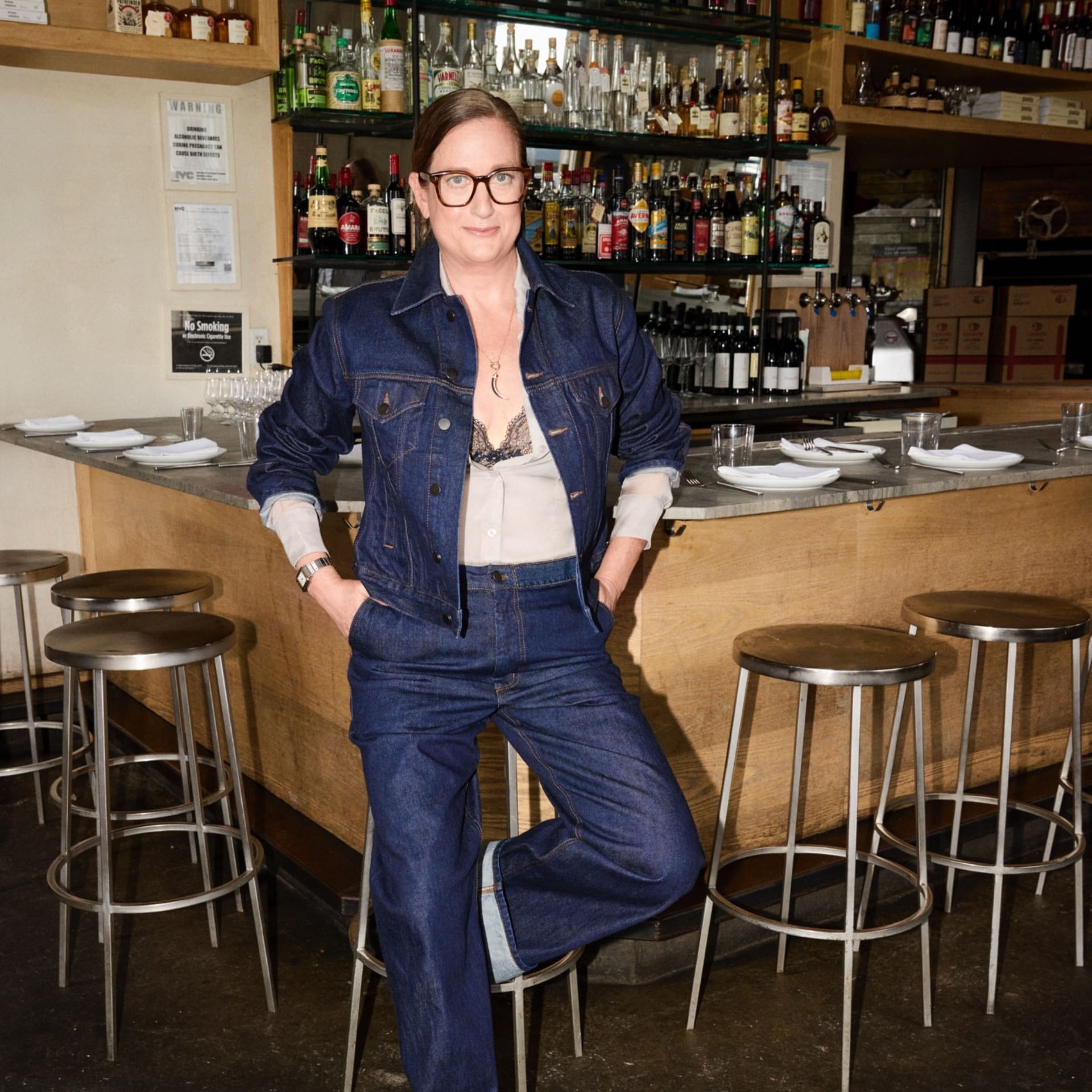
Missy Robbins has been cooking in New York for long enough to have earned the right to coast. She does not. Before Lilia, she built her reputation in Chicago, where she became known as a favorite of the Obama family. A 2026 James Beard Outstanding Chef semifinalist, one of the few national nominations in the city this year, Lilia remains one of the hardest reservations in the city, not because of hype but because of consistency, the kind that only comes from a chef who is still cooking as if the restaurant opened last week.
The wood-fired pastas and the aglio e olio have become shorthand for a certain kind of New York dinner. It is the one you plan around, the one you bring people to when you want the city to show up for you. Nearly a decade in, it still does.
BKLS Note: Reservations open on Resy and go fast. Walk-ins at the bar are your best option for a spontaneous visit. Go for the rigatoni diavola and whatever the kitchen is doing with pasta that week. This is not a quick dinner; give it the full evening. Can’t get a reservation? Robbins’ Misipasta shop, also in Williamsburg, is the most direct way to get her food without the 30-day wait.
Explore Reservations: Resy
Dirt Candy
📍 Location: 86 Allen Street — Lower East Side, Manhattan | 🌐 Website: Dirt Candy
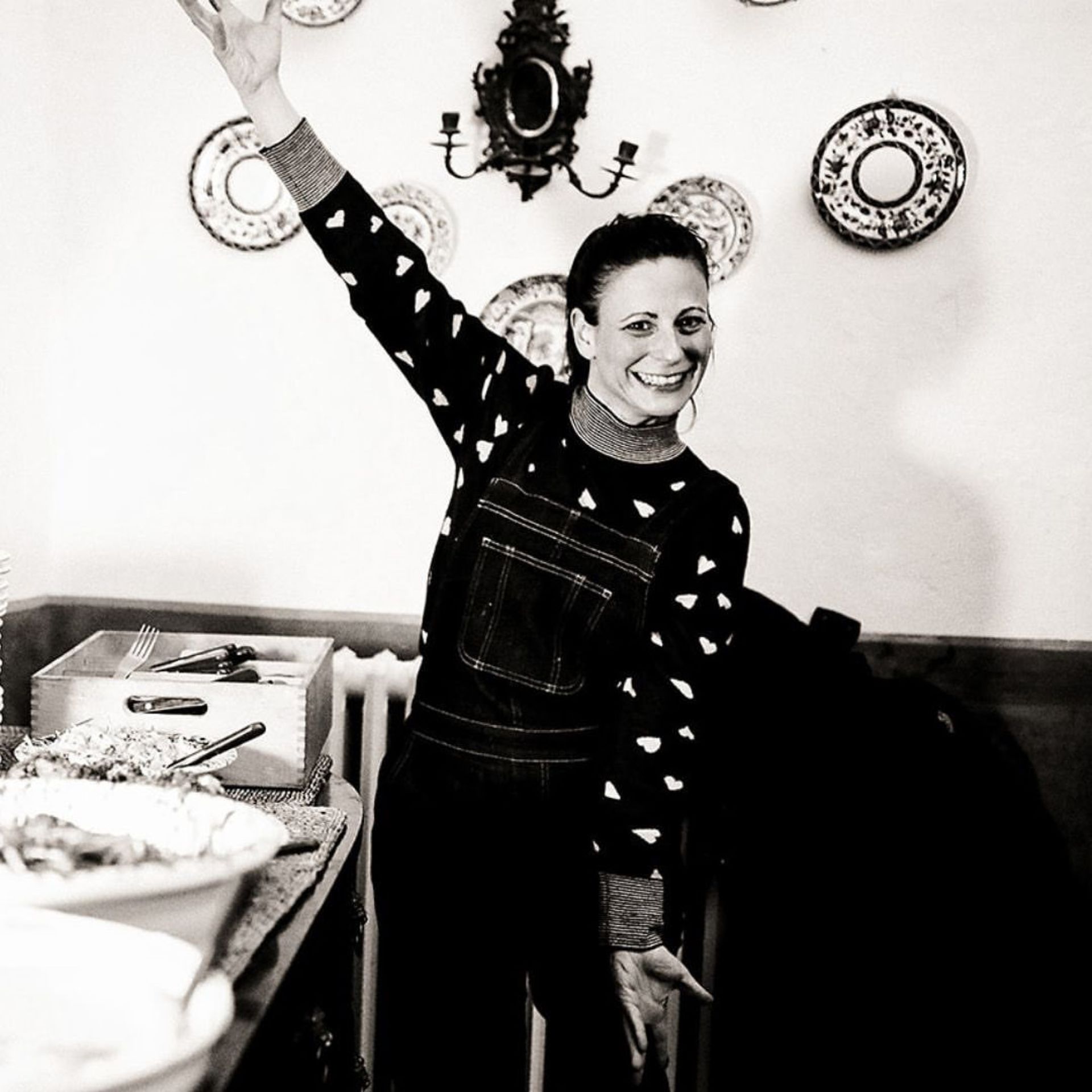
Amanda Cohen opened Dirt Candy in 2008 when vegetable-forward fine dining was still a punchline. Eighteen years later, it is the longest-running vegetarian restaurant in New York City and the standard against which every plant-based tasting menu in the country is measured. What Cohen built is not a restaurant for people who do not eat meat.
It is a restaurant for people who understand that vegetables, handled with the same rigor and imagination as any other ingredient, can be the most interesting thing on the table. She was right before the conversation caught up, and the room still proves it nightly.
BKLS Note: Tasting menu format, reservations required. Cohen also eliminated tipping in favor of a profit-sharing model, one of the first restaurants in the city to do so. That decision is as much a part of the Dirt Candy story as the food.
Explore Reservations: Resy

Shukette
📍 Location: 230 Ninth Avenue — Chelsea, Manhattan | 🌐 Website: Shukette
Ayesha Nurdjaja’s Shukette is the kind of restaurant that makes you forget you had somewhere else to be. The Levantine menu is vivid and generous. Mezze is built for sharing, with flavors that feel both deeply rooted and completely alive in the present moment.
Nurdjaja has been one of the more quietly influential chefs in the city for years, building a following that treats a table here less like a reservation and more like a standing appointment. In 2026, it remains one of the hardest tables in Chelsea, and one of the most worth the effort.
BKLS Note: Reservations are essential and release on Resy; book early. Reservations become available 14 days in advance at midnight and are available for groups of 1–6 guests. The mezze format is built for groups of three or four. Come hungry and order widely.
Editor’s Note: Nowruz, the Persian New Year, falls on March 20 and 21 this year. Nasim Alikhani hosts annual ticketed feasts for the occasion. Multi-course dinners built around the flavors of the season, including Sabzi Polo and festive fish. Tickets release on Resy and sell out fast. If you miss them, the Haft-Sin table—the traditional seven-item Nowruz display—will be in the dining room all month. Worth seeing.
Explore Reservations: Resy
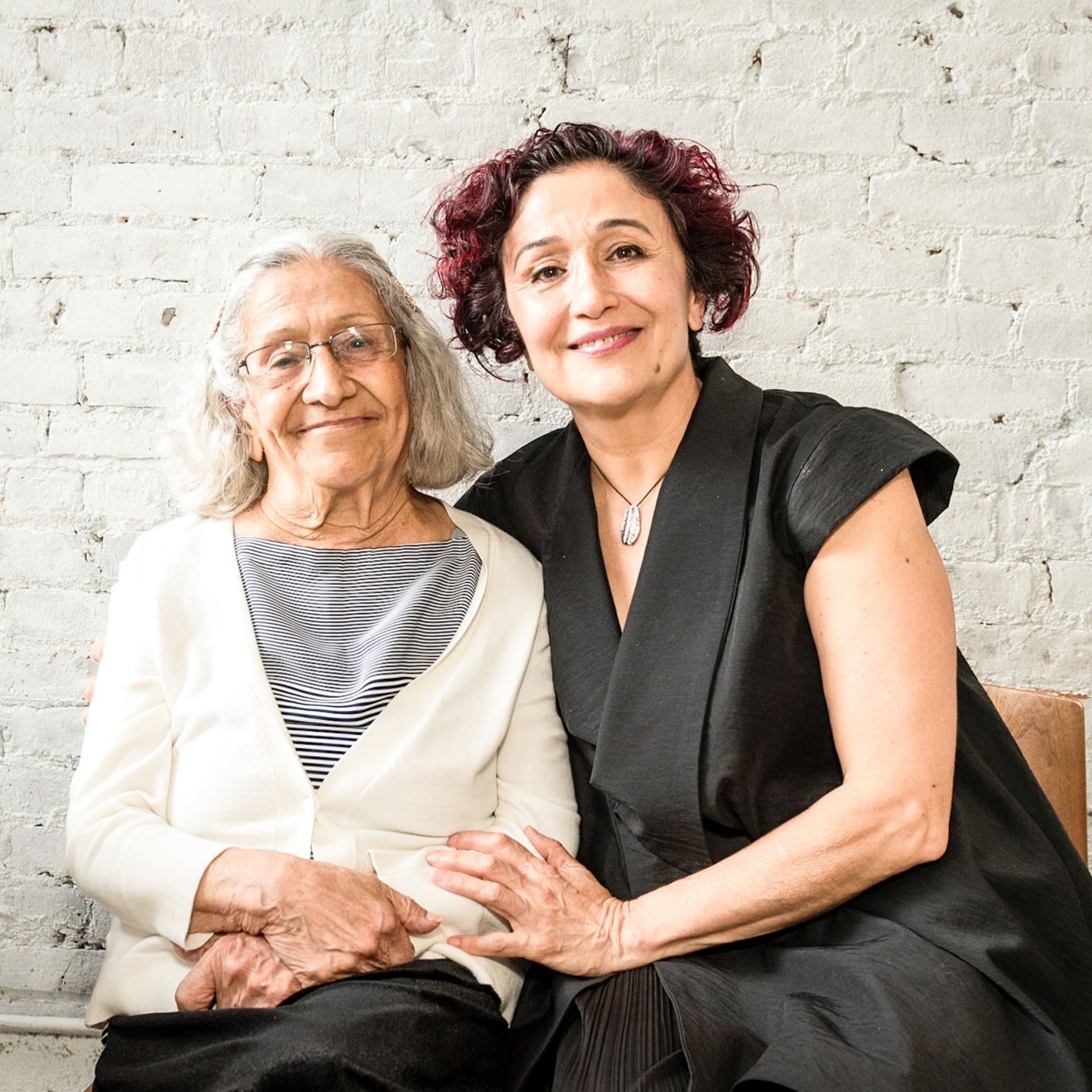
Sofreh
📍 Location: 75 St Marks Avenue — Prospect Heights, Brooklyn | 🌐 Website: Sofreh
Nasim Alikhani did not open Sofreh to introduce New York to Persian food. She opened it to show the city what Persian food actually is, not the simplified version that had been available for years, but the real thing, rooted in technique, memory, and the kind of patience that most kitchens do not have.
A James Beard finalist for Best Chef New York State in 2023, 2024, and 2025, Alikhani is not a moment. She is one of the most consistent forces in the city’s dining landscape, and Sofreh reflects that. A restaurant that functions as both a destination and a neighborhood anchor. The room is warm and unhurried. The food rewards attention.
BKLS Note: Reservations are required. Resy releases them 28 days in advance at midnight. Note that Sofreh enforces a 1.5-hour seating limit at dinner, so while the food rewards a slow pace, plan accordingly. The ghormeh sabzi and the saffron rice dishes are essential orders, particularly the tahdig, the crispy rice that defines a Persian meal and that Alikhani is known for getting exactly right.
Explore Reservations: Resy
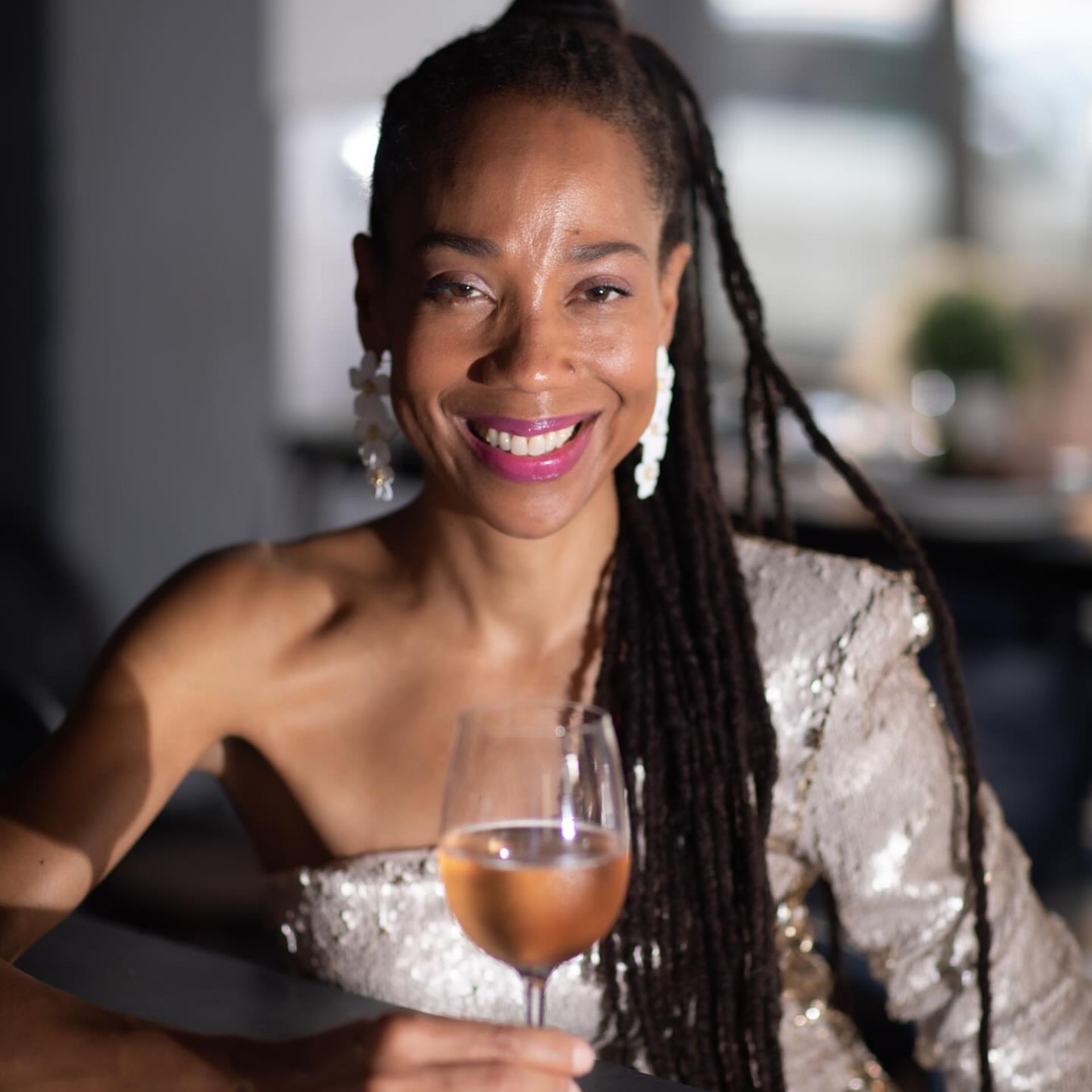
Vinatería
📍 Location: 2211 Frederick Douglass Boulevard — Harlem, Manhattan | 🌐 Website: Vinatería
Yvette Rodriguez has been building something in Harlem for years that much of the city’s dining conversation has overlooked. Vinatería, warm, Spanish- and Italian-inflected, and rooted in the neighborhood, is the kind of restaurant people return to regularly, the place evenings naturally revolve around.
Rodriguez is not chasing recognition. She is doing the longer, quieter work of creating a room that reflects Harlem’s rhythm and scale. That work is its own form of architecture, and in 2026, it remains as relevant as anything opening downtown.
BKLS Note: Reservations recommended. The wine list is thoughtful and fairly priced. This is a neighborhood restaurant in the best sense, consistent, welcoming, and worth the trip uptown.
Explore Reservations: Vinatería
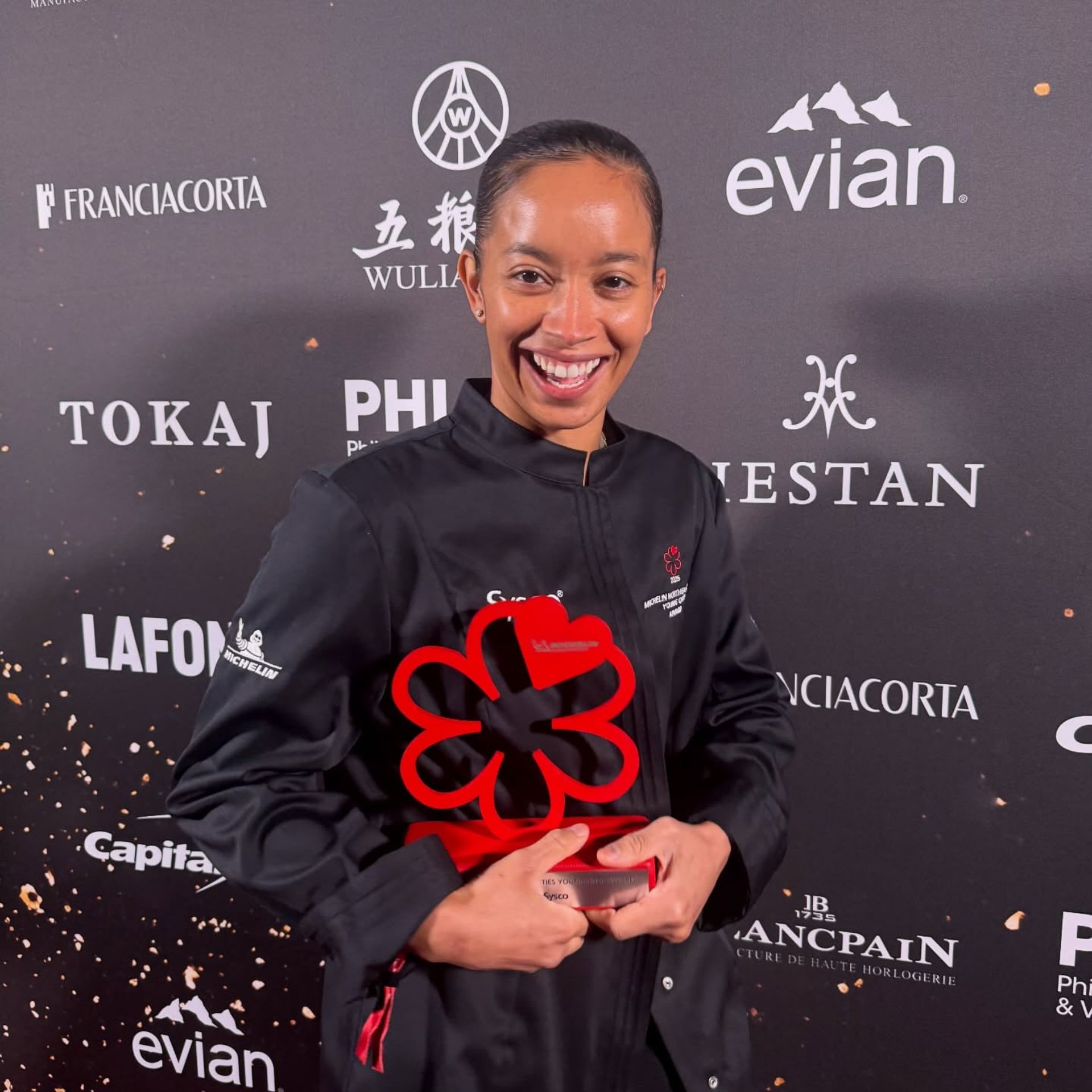
The 2026 Wave
These are the women defining what comes next.
Markette — India Doris
📍 Location: 326 Seventh Avenue — Chelsea, Manhattan | 🌐 Website: Markette
India Doris trained in some of the city’s most demanding kitchens, including Michelin-starred Saga. What she opened in Chelsea moves in a different direction, warmer, more personal, and rooted in the Caribbean flavors she grew up with.
Markette is refined without being formal, the kind of neighborhood restaurant shaped by fine-dining discipline but built for regular return visits. Doris is part of a growing group of Black women reshaping New York’s dining landscape, and this room is her clearest statement yet.
BKLS Note: Reservations available. The Caribbean-inflected menu changes seasonally, go with an open mind and let the kitchen lead.
Explore Reservations: Markette
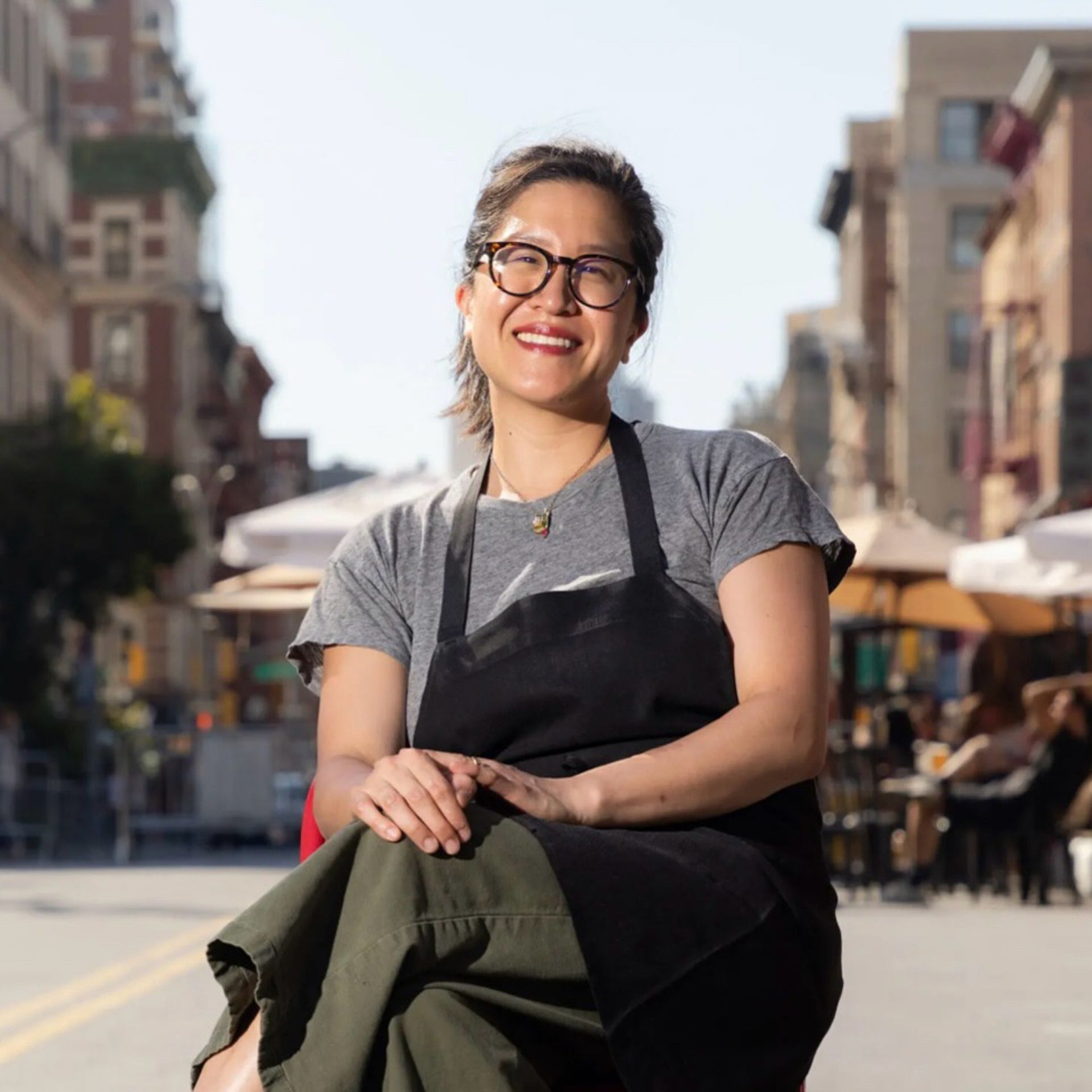
Sunn’s — Sunny Lee
📍 Location: 139 Division Street — Chinatown, Manhattan | 🌐 Website: Sunn’s
Sunny Lee built a following at Very Fresh Noodles before opening Sunn’s in Chinatown, where her Korean-American menu has quickly established itself as one of the neighborhood’s most compelling new rooms.
The food sits at an intersection that feels entirely her own: Chinatown’s energy, Korean technique, New York instinct. The neighborhood recognized it first. The industry caught up in 2026, when the James Beard Foundation named her an Emerging Chef semifinalist.
BKLS Note: Reservations recommended. The menu rewards curiosity, order beyond what you recognize.
Explore Reservations: OpenTable
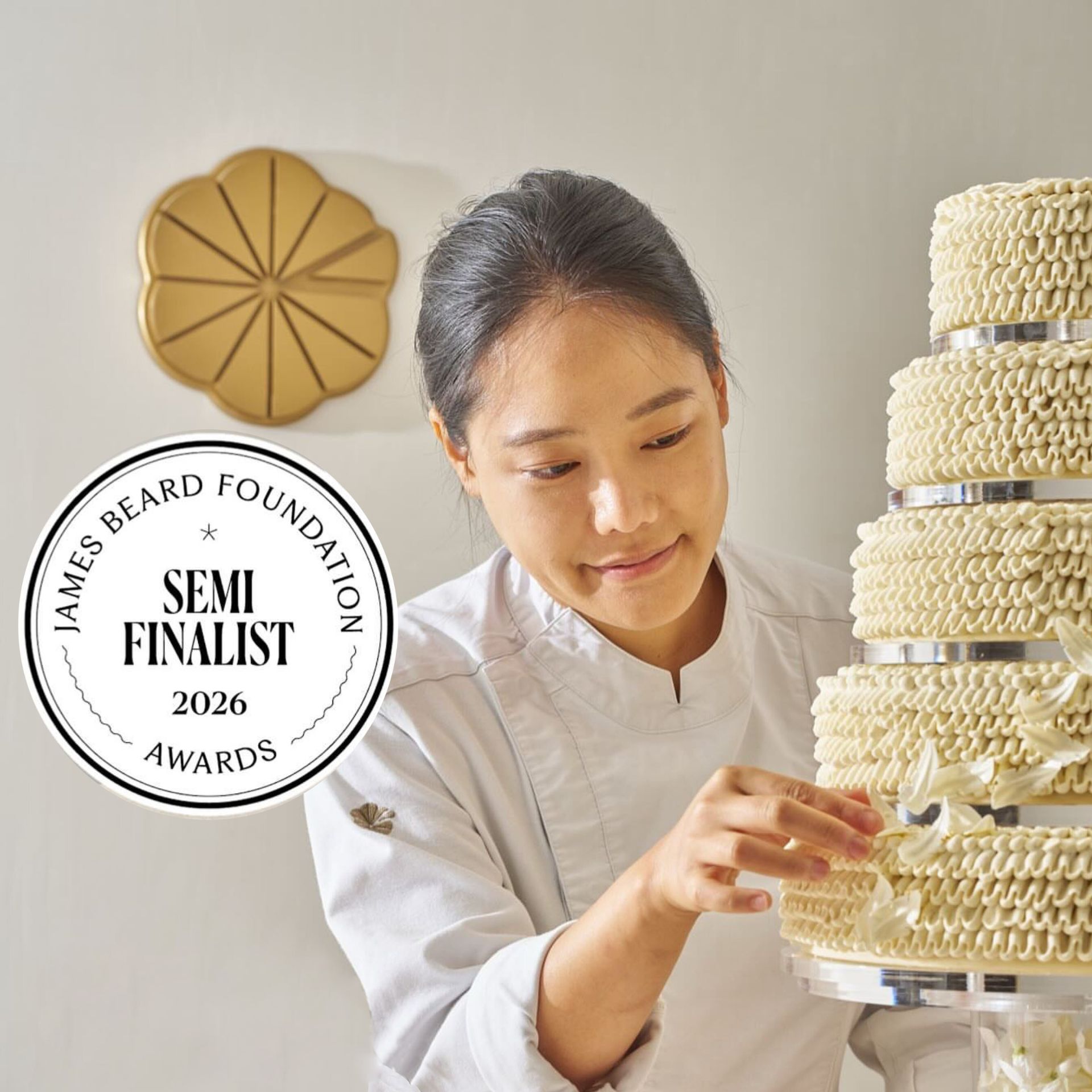
Lysée — Eunji Lee
📍 Location: 44 East 21st Street — Flatiron, Manhattan | 🌐 Website: Lysée
Eunji Lee treats pastry the way a sculptor treats material as something with structure, tension, and the potential to surprise. Lysée is not a bakery in the conventional sense. It is a tasting experience built around the idea that dessert deserves the same rigor and intention as any savory course.
Lee’s 2026 James Beard nomination for Outstanding Pastry Chef reflects what the counter experience makes clear: this is one of the most precise and quietly thrilling rooms in the city.
BKLS Note: Reservations recommended for the full counter experience. Walk-ins can access pastry to go. Either way, go.
Explore Reservations: Resy
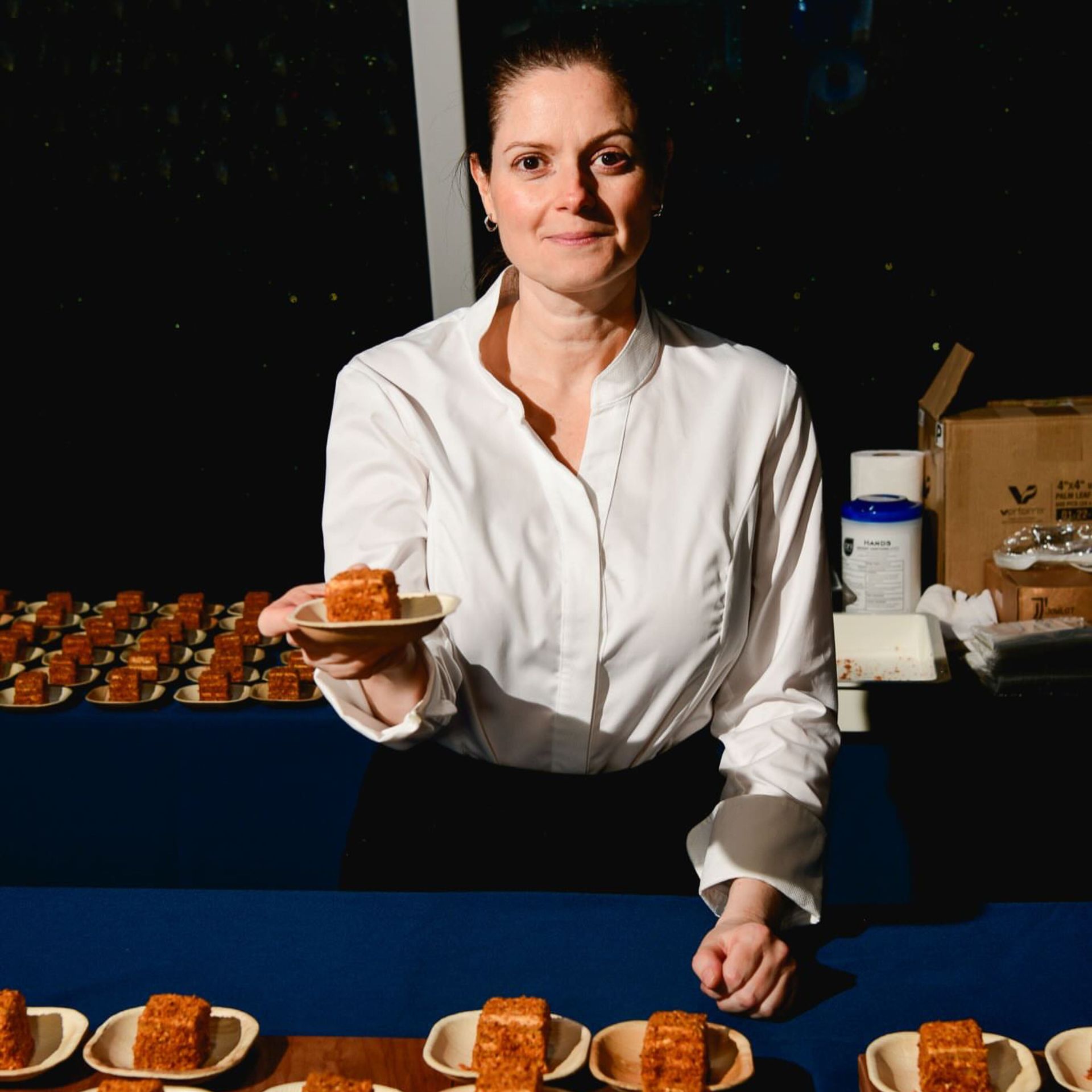
Birdee — Renata Ameni
📍 Location: 316 Kent Avenue — Williamsburg, Brooklyn | 🌐 Website: Birdee
Renata Ameni built her reputation at Crown Shy and Saga before opening Birdee, now one of the most talked-about pastry destinations in Brooklyn. The work is technically exceptional, sophisticated, modern, and built around flavor combinations that feel both unexpected and inevitable.
A 2026 James Beard Outstanding Pastry Chef semifinalist, Ameni is helping redefine what a Brooklyn pastry destination can be.
BKLS Note: Check the website for current hours and walk-in availability. This is a destination worth planning around.
Worth Knowing
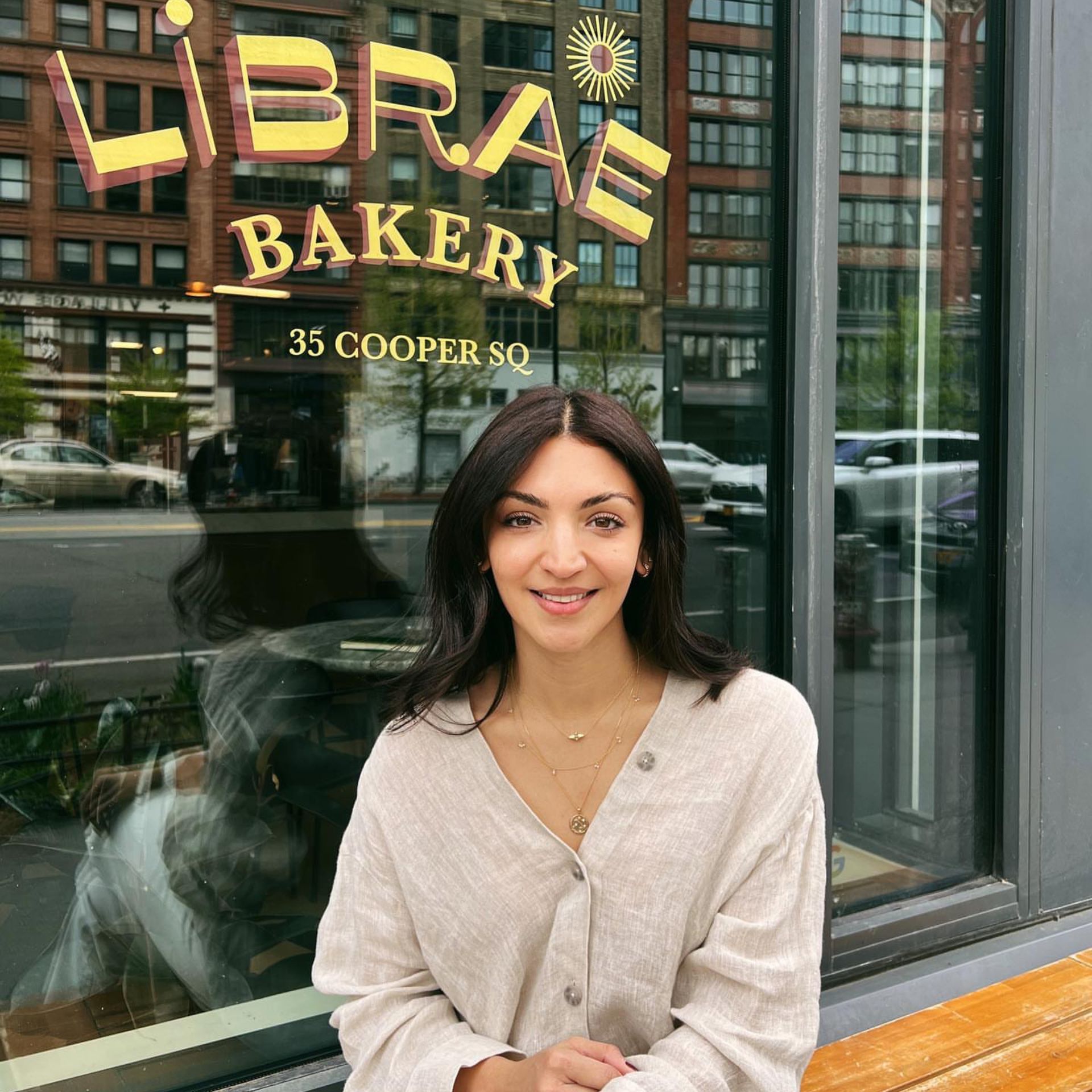
Librae Bakery — Dona Murad’s East Village bakery sits at the intersection of Middle Eastern flavors and Danish technique. The sourdough and croissants have built a devoted following. The line moves. It is worth it. 📍 Location: 35 Cooper Square — East Village, Manhattan | 🌐 Website: Librae Bakery

Gramercy Tavern — Aretah Ettarh, a 2026 James Beard Best Chef New York State semifinalist, runs one of the city’s most storied dining rooms with the kind of quiet, technical excellence legacy houses rarely sustain. The room has been here for decades. Under Ettarh, it feels current. 📍 Location: 42 East 20th Street — Flatiron, Manhattan | 🌐 Website: Gramercy Tavern
One Last Thing
The women in this guide did not wait for the industry to make room. They built the room, set the standard, and in most cases changed the conversation before anyone thought to write about it. That is the New York way, the version that rarely shows up in trend pieces. In 2026, the credit is finally arriving. The work was always there.
Looking for more to do this month? Our March 2026 guide publishes on Sunday.