Beyond the checklist: Why NYC travel trends in 2026 are shifting toward intentional hotel bars, social wellness rituals, and neighborhood immersion over packed schedules.
New York does not chase trends. It absorbs them, refines them, and eventually makes them feel inevitable.
Over the past year, subtle shifts in travel behavior have become visible across the city. Not through announcements or headlines, but in the atmosphere. In places where people linger. How they gather. What they choose to spend on, and what they quietly decide to skip.
Notice these shifts, and the city becomes easier to move through.
Table of Contents Show
The Return of the Hotel Bar—This Time With Intention
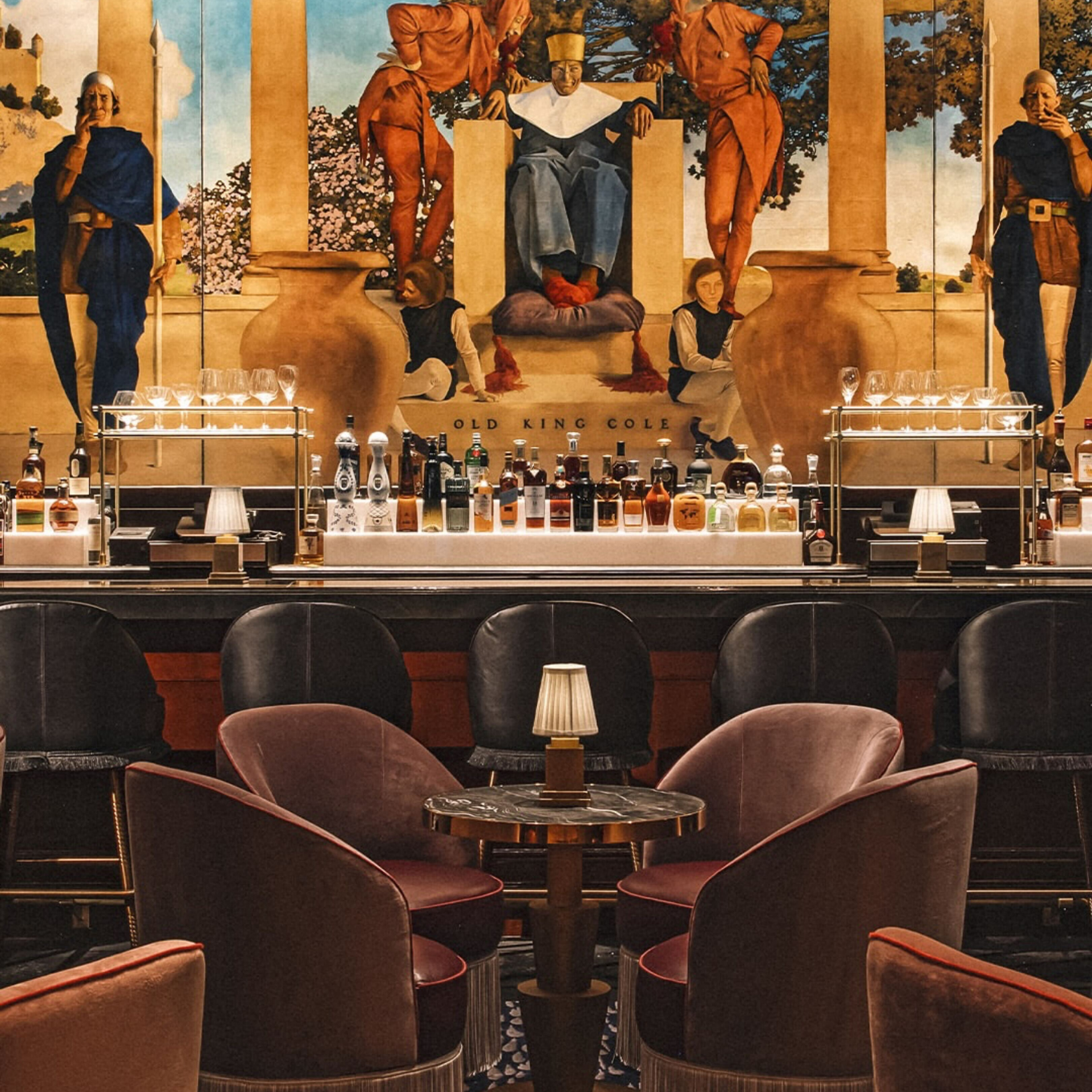
Once treated as a convenience for travelers, hotel bars are reasserting themselves as cultural spaces. Not loud or novelty-driven, but composed, cinematic, and worth seeking out on their own.
The shift reflects a broader return to atmosphere-led drinking. Guests are looking for lighting that softens the room, privacy without isolation, and craftsmanship that speaks quietly for itself. New York has always understood the value of this approach. What has changed is confidence. Hotel bars are no longer positioned as amenities. They are destinations.
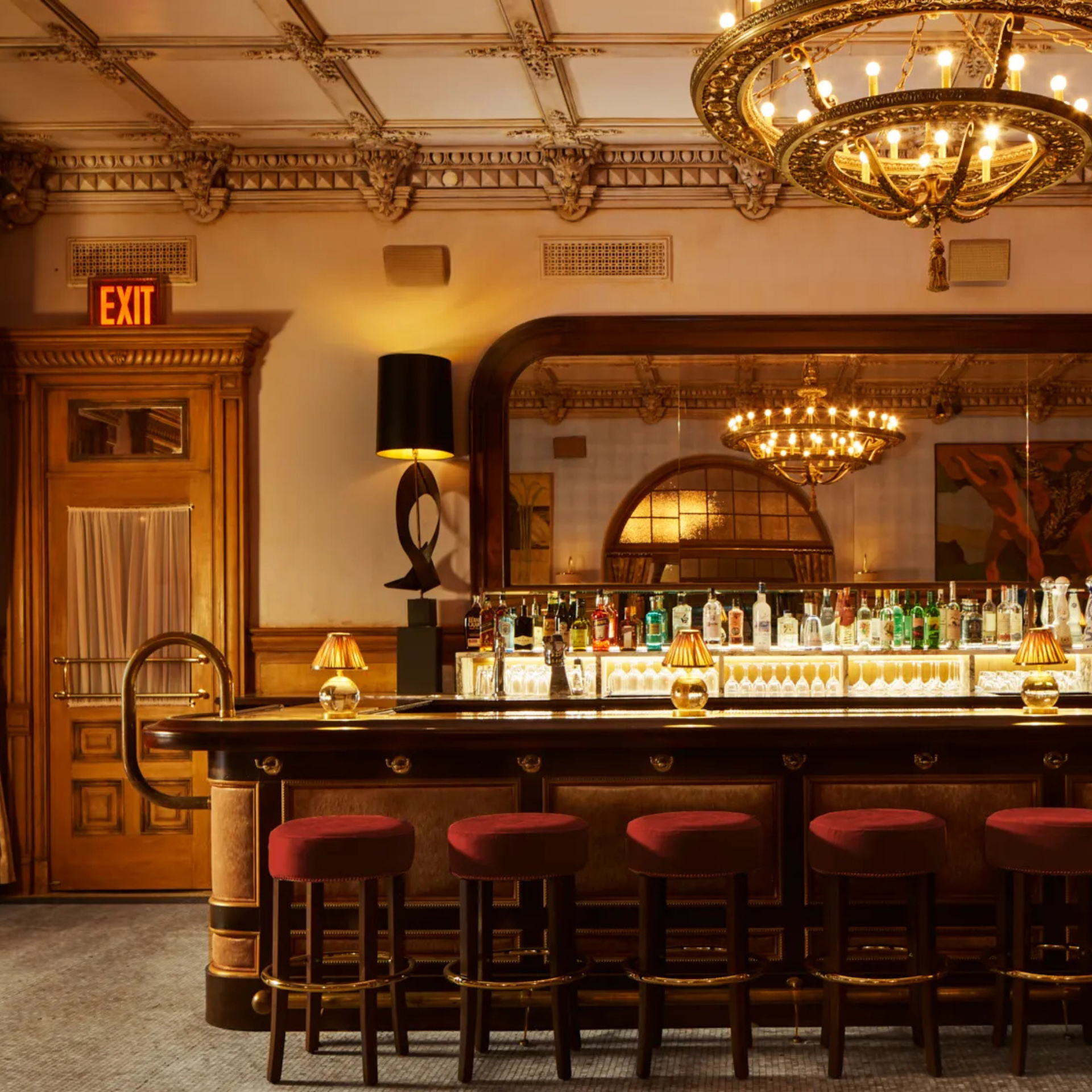
The lineage is long. King Cole Bar and Bemelmans established the template decades ago. Spaces built for conversation, solitude, or the quiet sense of arrival. Today’s revival follows the same logic. The Lobby Bar at Hotel Chelsea continues that tradition, a jewel-toned room that feels closer to a private salon than a hotel feature. It does not need to draw attention to itself.
The movement extends beyond the city. The reopening of the New York Bar at Park Hyatt Tokyo, known globally through Lost in Translation, reflects a wider return to atmosphere-driven drinking. Across major cities, the appeal is shifting toward spaces that feel enduring rather than new, understated rather than designed for attention.
New York is not leading this shift alone, but it expresses it particularly well. The energy is quieter now. Design, discretion, and ease carry more weight than novelty. Hotel bars are becoming neutral ground for locals and visitors alike, places where being alone, meeting someone, or simply sitting well-dressed on a Tuesday requires no explanation.
Increasingly, these spaces are designed for presence rather than visibility. Rooms meant to be occupied, not captured.
Protecting the Atmosphere
That shift is being reinforced behind the scenes. Many properties are beginning to protect the environments they have invested in creating.
Establishments such as Hotel Chelsea and Bemelmans have tightened house policies around professional filming equipment, including tripods, gimbals, and ring lights. This is not a citywide rule, but a noticeable operational shift that has accelerated into 2026.
Hosts and security teams are enforcing these boundaries more deliberately. The reasoning is simple. These rooms were designed for a certain kind of experience, and the mechanics of content production work against it.
The change is less about restriction than recalibration. A quiet signal that the atmosphere itself is the offering.

Beyond Manhattan: Neighborhood Immersion and Brooklyn’s Creative Scene
For many travelers, New York is no longer defined by borough lines or hotel locations alone. Instead of staying within Midtown or Lower Manhattan, visitors are moving outward, following specific experiences into the neighborhoods where the city’s culture is taking shape.
Clinton Hill and Bushwick reflect this movement in different ways.
Clinton Hill
In Clinton Hill, a growing focus on sustainability is shaping the local dining scene, with concepts like Golden Ratio drawing attention for zero-waste practices and thoughtful sourcing. The neighborhood’s quieter cultural assets, including the Pratt Institute Sculpture Garden, offer the kind of slower, discovery-driven experience many travelers are seeking.
This growing attention is not just anecdotal. Early 2026 market data shows Clinton Hill emerging as one of the city’s fastest-growing neighborhoods for both visitor and buyer interest, reinforcing its shift from local favorite to destination in its own right.
Bushwick
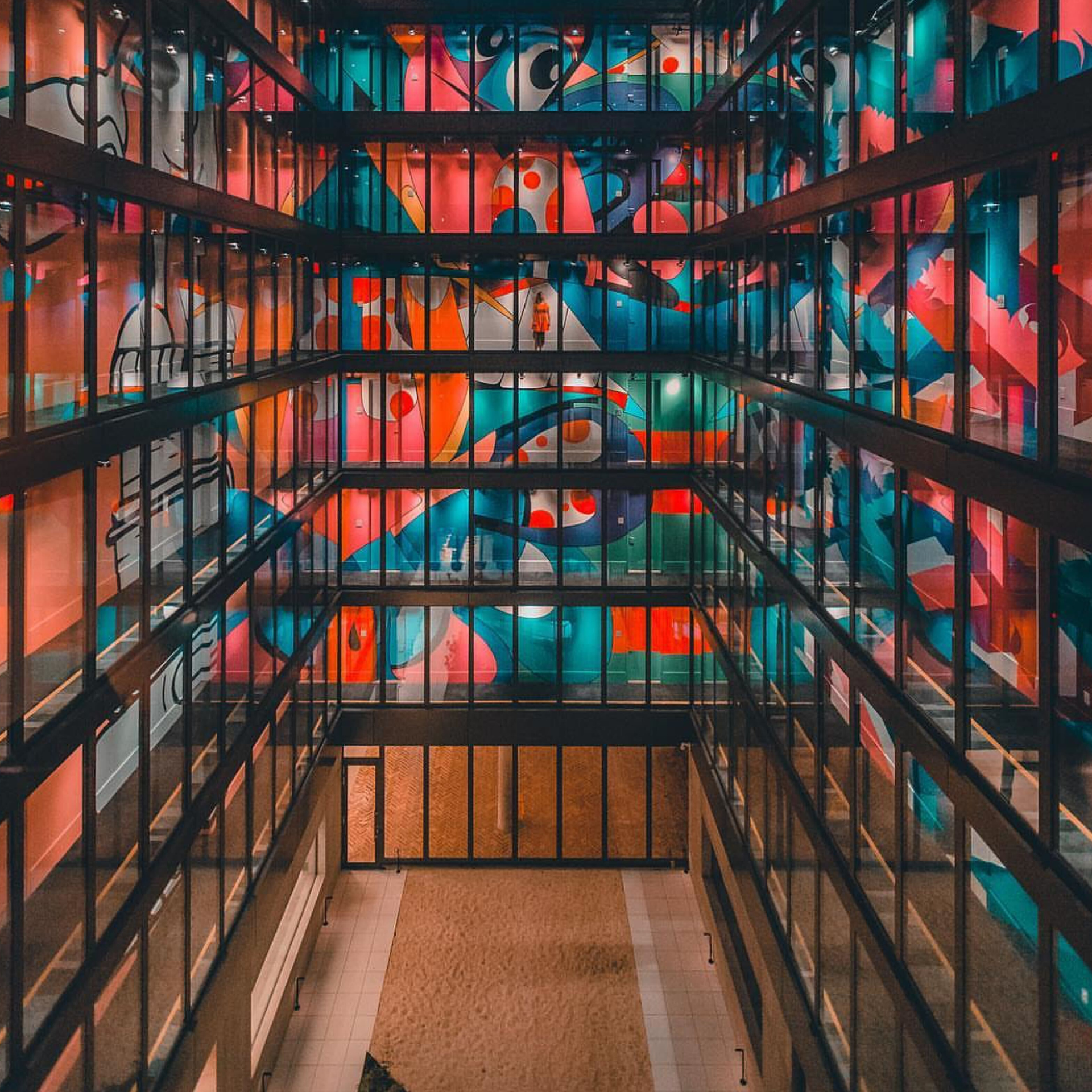
Bushwick carries a different energy. Visitors come for the mural-lined streets, artist studios, warehouse galleries, and nightlife that feels rooted in the neighborhood’s creative community.
What is changing is not the destination, but how travelers move through it. Rather than trying to see everything, travelers are choosing one neighborhood, one atmosphere, one point of curiosity, and staying with it.
New York is no longer experienced as a checklist of landmarks. It unfolds as a collection of neighborhoods, each with its own pace, personality, and point of view.
Bushwick offers a different energy. Visitors come for the mural-lined streets, artist studios, warehouse galleries, and nightlife that feels rooted in the neighborhood’s creative community.
What is changing is not the destination, but the approach. Rather than trying to see everything, travelers are choosing one neighborhood, one atmosphere, one point of curiosity, and staying with it.
New York City is no longer experienced as a checklist of landmarks. It unfolds as a collection of neighborhoods, each with its own pace, personality, and point of view.

Focused Indulgence: The Rise of ‘High-Low’ Luxury
While travelers are spending more selectively, their appetite for indulgence has not disappeared. It has become more intentional.
Across New York, luxury is showing up in smaller, less formal ways. Moments that feel special without requiring a reservation, a tasting menu, or a major commitment.
Caviar is the clearest example. Once confined to white-tablecloth service and ceremonial presentation, it now appears in distinctly New York form: a small, high-impact addition layered onto something familiar. A bump alongside a martini. A spoonful paired with potato chips, tater tots, or late-night comfort food.
High-quality farmed caviar is now more widely available, allowing restaurants to incorporate it in smaller portions and more casual formats. What was once reserved for rare occasions now appears as a brief moment of indulgence.
But the deeper change is cultural. The appeal lies in contrast. Fine ingredients paired with nostalgic, casual foods. The experience feels elevated without feeling formal.
From hotel lounges to neighborhood wine bars, these high-low moments are becoming part of the city’s everyday rhythm. Luxury in New York is shifting from occasion to access. The change is less about formality and more about ease, confidence, and the freedom to enjoy something exceptional without turning it into an event.
For visitors, this signals a different way to experience the city. Instead of one elaborate night out, many are choosing smaller moments of elevation. Memorable, playful, and distinctly New York.
Experience Over Excess
A quieter shift is shaping visitor behavior. Travelers are spending less broadly and more intentionally.
Instead of filling every hour, many are choosing one or two experiences worth lingering over. A memorable meal, a beautifully designed bar, a cultural moment, and allowing the rest of the day to unfold without urgency.
New York rewards this approach. The city reveals more through depth than through volume. A single evening done well often leaves a stronger impression than a tightly packed schedule.
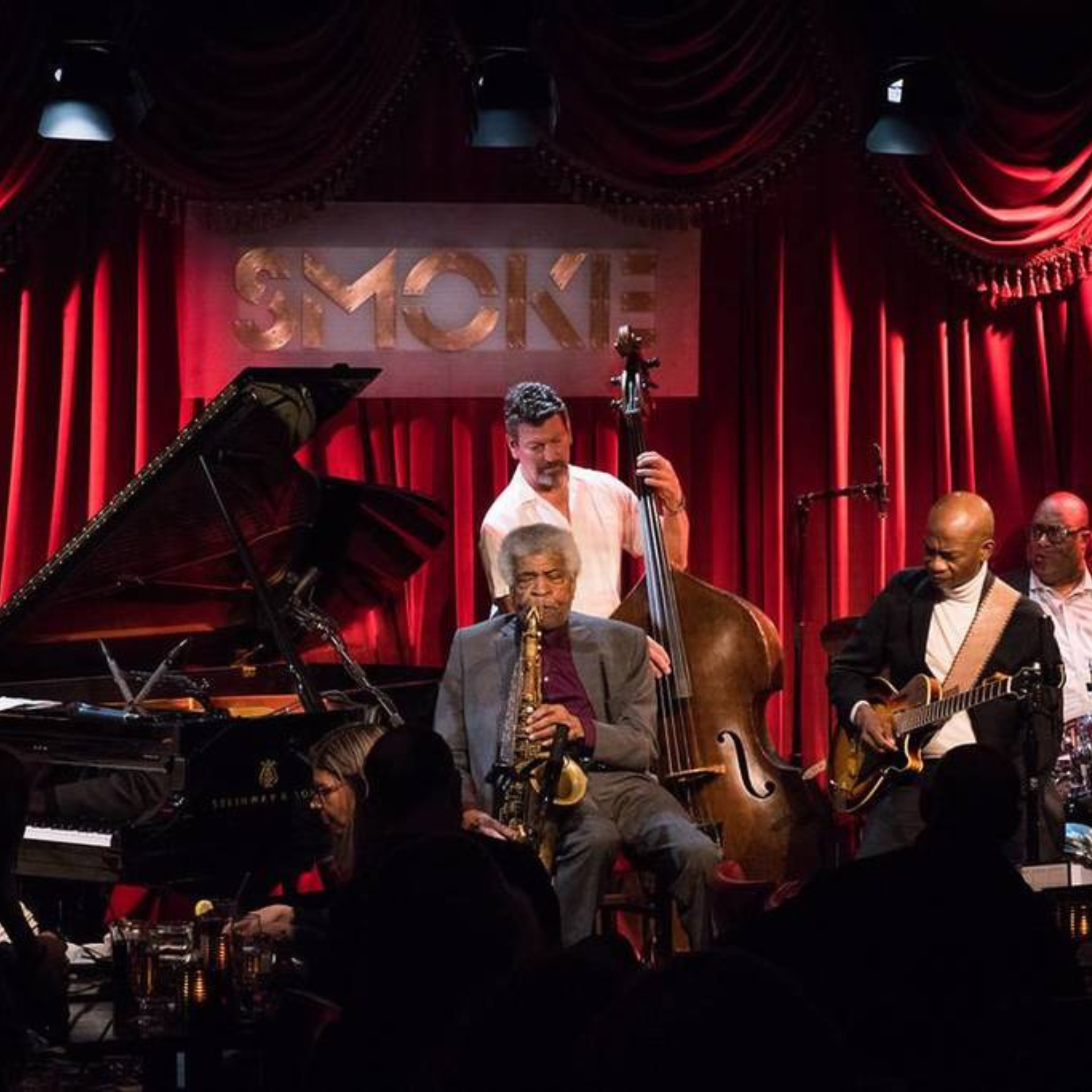
The change is visible in where time is being spent. Tasting menus that stretch into the night. Live jazz dinners. Immersive exhibitions. Spaces designed for staying rather than moving on.

Planning Around Cultural Focus
This shift toward intention shows up even more clearly in how trips are planned.
Rather than chasing what is trending, many visitors now build their time around a single cultural interest. An exhibition, a performance, a gallery opening, a literary space, or a particular creative neighborhood.
New York’s depth makes this possible. Following one curiosity can still feel expansive, whether the focus is contemporary art, independent theater, design, books, or music.
Visitors are arriving with a point of focus rather than a packed agenda, allowing the experience to unfold around what genuinely holds their attention. Less checklist-driven. More curiosity-led.
Social Wellness: Communal Recovery in New York
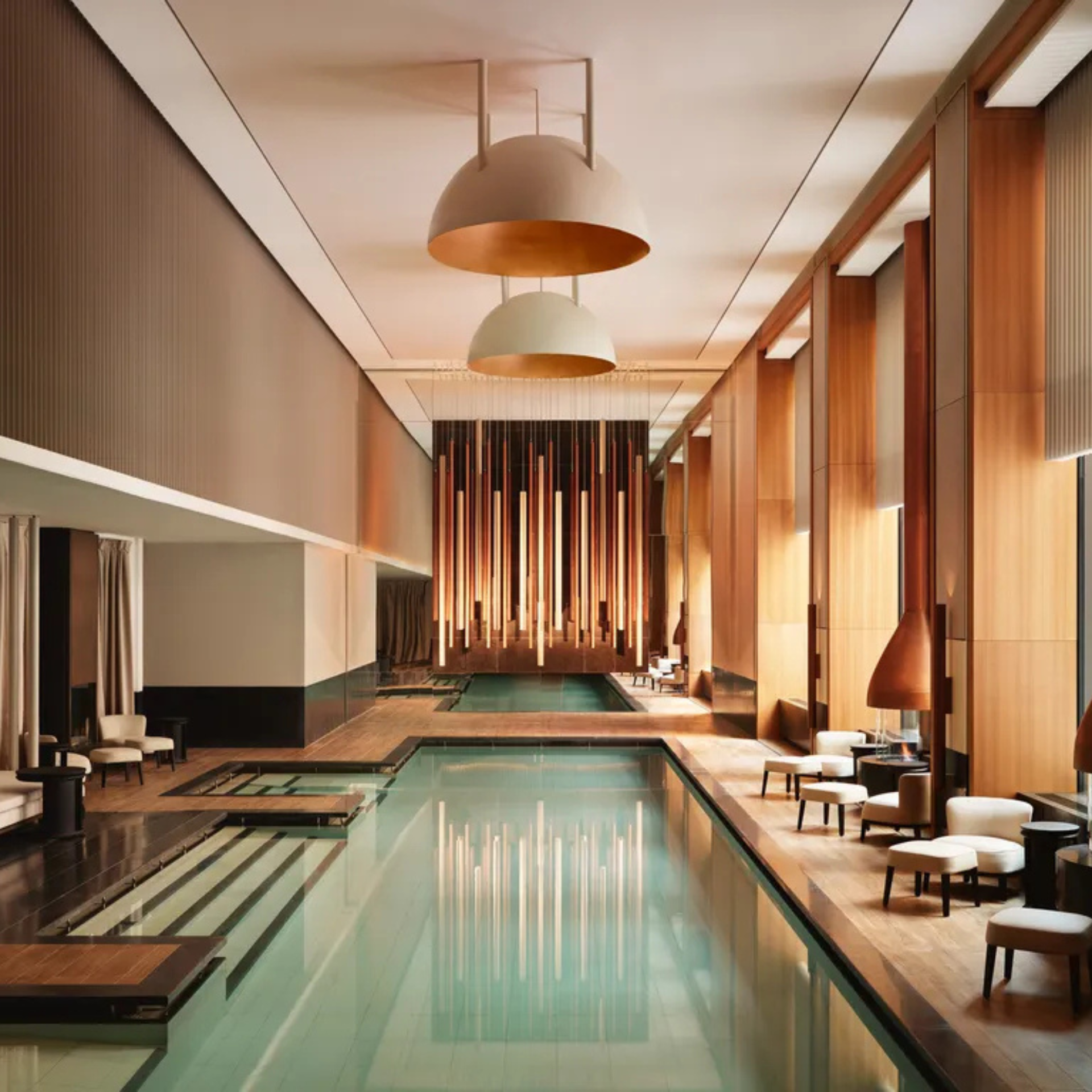
Wellness in New York is no longer confined to early mornings or private retreats. It is becoming communal. And it is no longer niche.
Bathhouses, spa lounges, sound experiences, and slow mornings are shaping how visitors move through the city. Not as obligations, but as anchors. The spaces leading this change are not silent or solitary. They are designed for company.
Remedy Place in the Flatiron District describes itself as a Social Wellness Club, where guided ice baths and contrast therapy unfold alongside lounges meant for conversation. World Spa in Brooklyn operates at a different scale, bringing banyas, hammams, onsens, and cold plunges together under one roof. Othership, with locations in Flatiron and Williamsburg, leans further into the group experience, offering guided sauna sessions, breathwork, and evening programs that feel closer to gatherings than treatments.
Happy hour has not disappeared. But for many visitors, one evening now happens here. Connection and recovery, placed alongside the city’s intensity rather than after it.
Travel Built Around How You Want to Feel
The change is also more functional than it first appears. Visitors are not only looking to relax. They are looking to stay steady, clear, and energized while they are here.
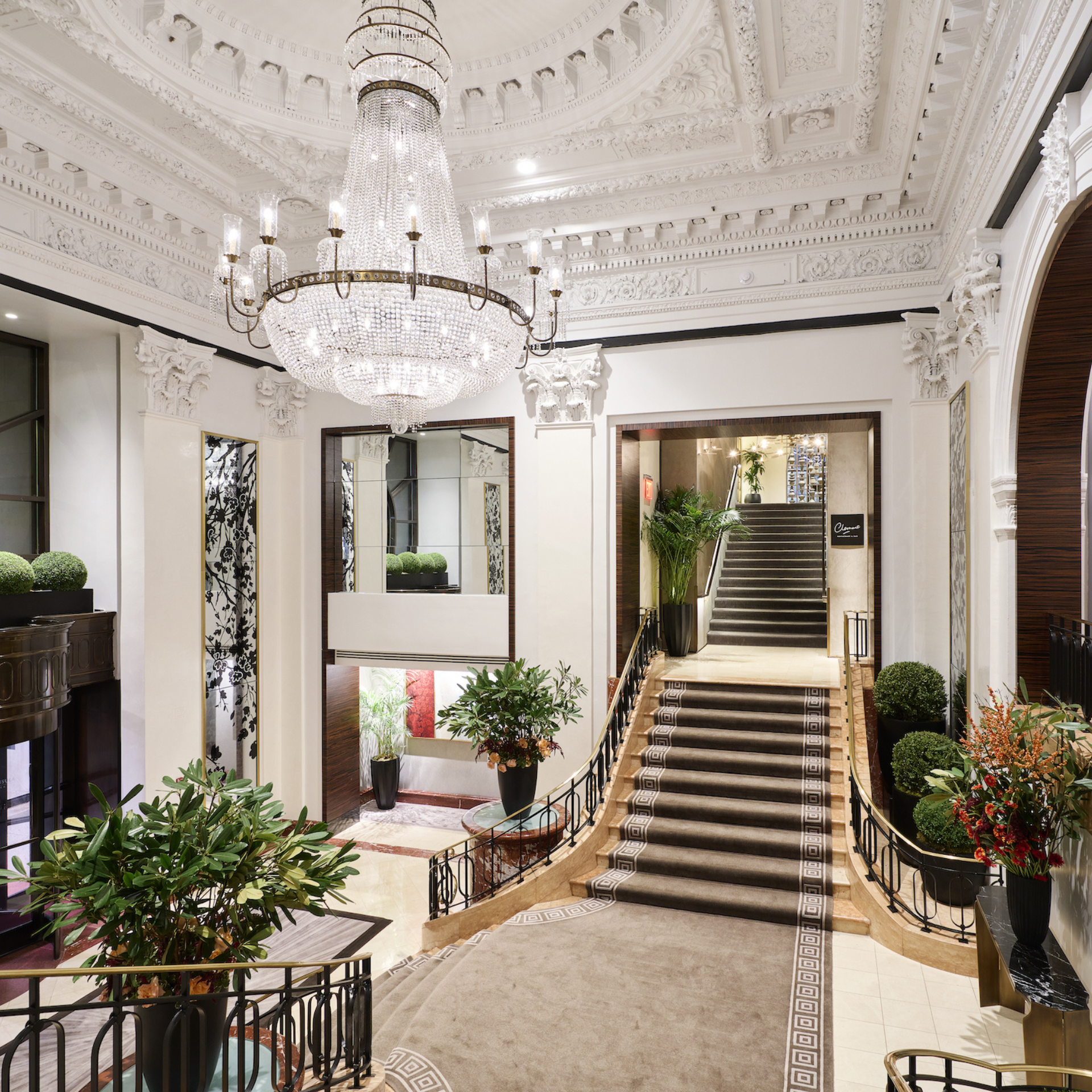
Hotels are responding with sleep-focused design: circadian lighting, jet-lag recovery programs, and rooms built for deeper rest. Properties such as The Peninsula New York and the newly reopened Waldorf Astoria are leaning into the idea of a sleep reset, recognizing that energy, not indulgence, has become the more valuable luxury.
That mindset is shaping how trips are planned. More visitors are building their time around a single point of focus: a limited-run exhibition, a short Broadway engagement, a workshop, a performance. The rest of the itinerary forms around it, rather than competing with it.
Together, these changes point to a more functional approach to travel. Visitors are no longer planning around rest alone. They are planning around energy, clarity, and the ability to move through the city without burnout.
In 2026, recovery is not a luxury add-on. It is part of how travelers sustain the pace of New York and experience more of it while they are here.
Low-Alcohol and Zero-Proof Options Are Here to Stay
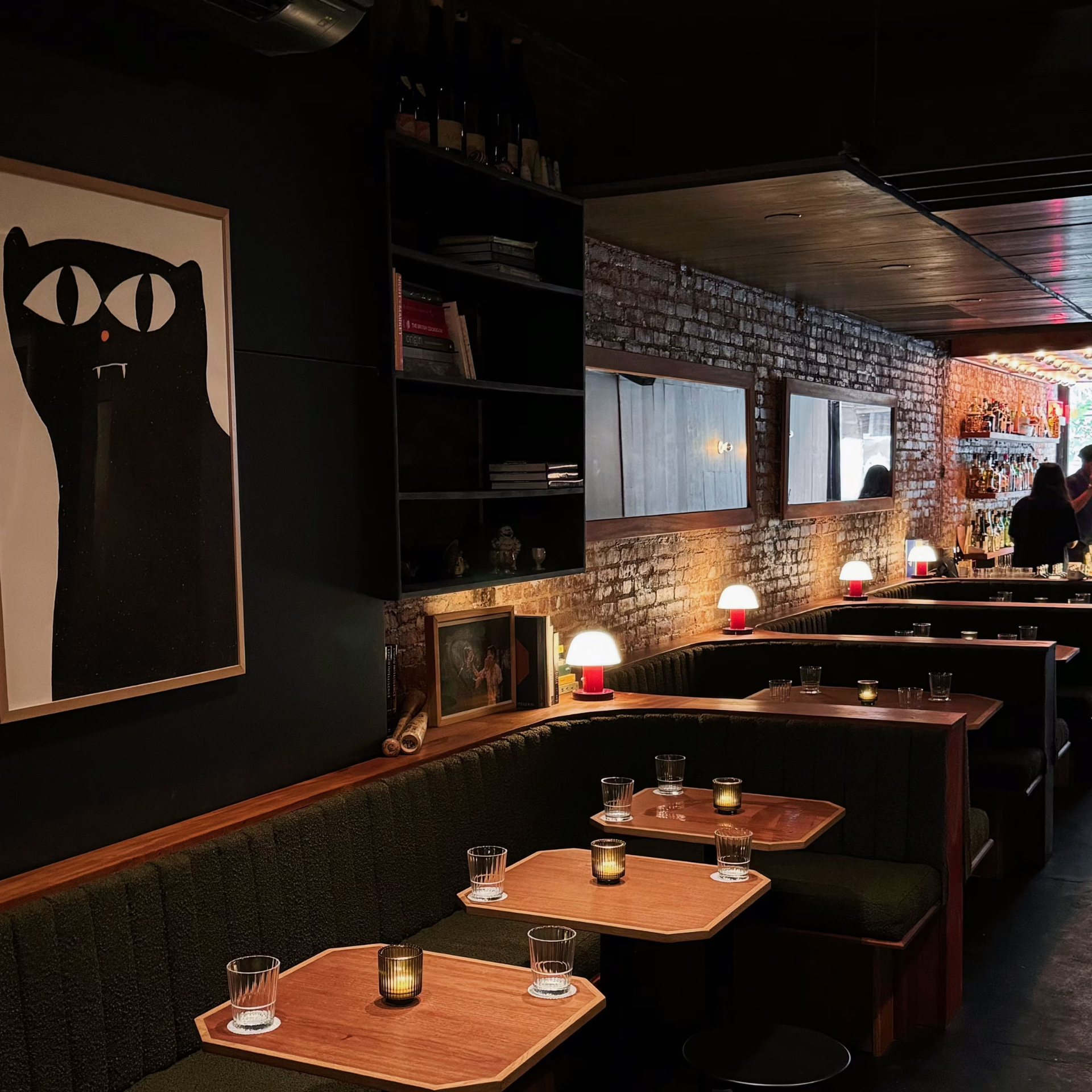
New York’s drinking culture is shifting toward moderation without losing its sense of occasion. Thoughtful low-alcohol and zero-proof menus are becoming standard, not as substitutes, but as choices.
For visitors, this changes the rhythm of a night out. Evenings can stretch longer without sacrificing the next day, allowing the city to be experienced with more energy and presence.
What was once an afterthought is now part of serious hospitality. In early 2026, Bright Nights Social and the non-alcoholic retailer Boisson launched the city’s first Best Bars for NA awards, highlighting venues treating alcohol-free drinks with the same care and craft as their cocktail programs.
The winners reflect how far the category has evolved. At Bar Contra on the Lower East Side, house-made ferments and seasonal ingredients create layered, complex flavors. East Village newcomer Oddball builds its entire non-alcoholic menu in-house. In Clinton Hill, Golden Ratio has developed a mirrored approach, offering alcohol-free versions designed to match the structure and intent of its cocktail program.
For travelers, the shift signals something larger. A zero-proof drink is no longer a compromise. It is a crafted experience, one that carries the same attention, atmosphere, and sense of occasion as anything else on the menu.
The movement aligns naturally with the return of the hotel bar and other atmosphere-driven spaces. Places designed for conversation, presence, and the quiet pleasure of staying longer than planned.
What This Means for Your Next Visit
These shifts are not prescriptive. Museum mornings, packed itineraries, and classic sightseeing still have their place. But New York City is rewarding a different approach now. One built around depth rather than coverage, presence rather than pressure.
The question is no longer How much can I fit in?
It has become What will stay with me?
A tasting menu that stretches into the evening.
An exhibition that changes how you see a medium.
A bathhouse session before dinner.
And a drink at a bar designed for conversation rather than turnover.
New York has not slowed down. But visitors are moving through it differently. They are choosing fewer experiences and allowing them to expand. Trips are being shaped around a single interest or neighborhood instead of a greatest-hits checklist. Rest and recovery are no longer separate from the city. They are part of how the city is experienced fully.
Pay attention to what draws you, and the city reveals itself—more personal, more memorable, and distinctly New York.