A field guide to the Tribeca neighborhood as it actually functions today, from the quiet residential blocks west of Hudson to the cultural grid that defines its modern identity.
QUICK FACTS
- The Two Tribecas: West of Hudson Street is residential. East of Hudson is the commercial spine.
- Best For: Second‑visit travelers who want a neighborhood with real texture, festival‑week New Yorkers who know how to avoid Midtown gridlock, and anyone who prefers a controlled downtown circuit over the chaos of SoHo or the West Village.
- Main Transit: 1 [Franklin Street, Canal Street, Chambers Street]. A C E [Canal Street]. 2 3 [Chambers Street].
- Price Point: $$$$.
The Tribeca Neighborhood at a Glance
Tribeca is the most expensive defense mechanism in New York. Belgian blocks. Converted textile lofts. Residents who pay five‑figure rents for the privilege of being left alone. The neighborhood is engineered for privacy, which is why most visitors mistake it for quiet to the point of dull.
It is not. Tribeca is one of the rare downtown enclaves whose architecture has not been retrofitted for foot traffic. The sidewalks remain cobblestone. The buildings remain industrial. The streets are wide enough that you can hear your own footsteps. The cast‑iron facades and textile-mill proportions are the physical evidence of a neighborhood that decided in the 1990s that it would tolerate visitors but never perform for them. That is the difference between Tribeca and SoHo, three blocks north, where every storefront has been retrofitted for tourism.
This guide is built for year‑round Tribeca. The seasonal anchors, the June festival, the fall gallery openings, and the deep‑winter quiet live in the Through the Year section below.

Table of Contents Show
The Position
What changed: Tribeca has spent the last decade absorbing the city’s most expensive cultural infrastructure. Galleries moving down from Chelsea. A wave of restaurant openings around the Walker Hotel. A continued conversion of pre‑2008 office stock into residential lofts. The neighborhood now functions as a self‑contained downtown enclave rather than a corridor between SoHo and FiDi.
The mistake people make: Assuming Tribeca is interchangeable with SoHo. It is not. SoHo is built for foot traffic and has been since the 1990s. Tribeca is built for residents and has not changed that posture for more than thirty years.
Who this is for: Second-visit New Yorkers who want a downtown circuit without the West Village crowds. Festival-goers during the June window. Anyone who values controlled curation over open chaos.

The 3×3
Three Eats
The Iconic — The Odeon
📍 Location: 145 West Broadway — Tribeca, Manhattan | 🌐 Website: The Odeon
Trying to land a dinner reservation here on a Friday or Saturday is a fool’s errand. Prime‑time tables are monopolized by studio dinners during the festival and industry tables the rest of the year. Aim for the bar at 11 PM. The neon-lit room is the birthplace of the neighborhood’s creative identity, and the bar is the most reliable seat in the city for an unsolicited celebrity sighting over a martini and fries.

The New [2026] — Seventy Seven Alley
📍 Location: 28 Cortlandt Alley — Tribeca, Manhattan | 🌐 Website: Seventy Seven Alley
Tribeca’s only confirmed 2026 opening with enough weight to anchor this slot. A chef-driven studio inside the Walker Hotel, built around elemental flavor architecture and a counter that reads more like a working atelier than a dining room. It is the rare “new” Tribeca restaurant that feels of the neighborhood rather than imported for it.
The Secret — Bubby’s
📍 Location: |120 Hudson Street — Tribeca, Manhattan 🌐 Website: Bubby’s
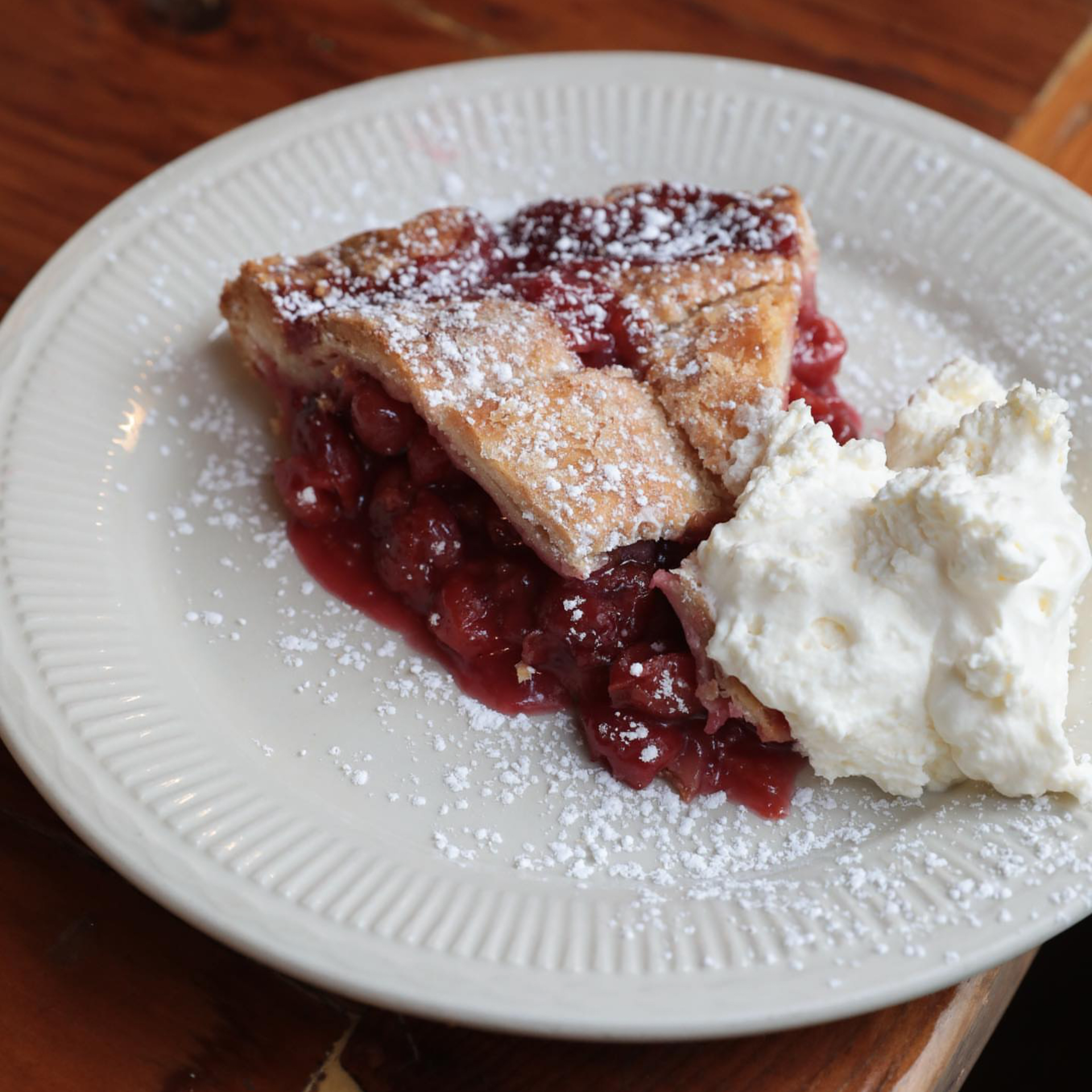
Skip weekend brunch. The line of out‑of‑towners stretches down the block. Go on a Tuesday at 3 PM for a slice of sour cherry pie and a cold brew when the dining room exhales.
If you actually want weekend brunch in Tribeca, walk three blocks east to Two Hands [251 Church Street]. The sun-drenched, health-conscious antidote to the tourist-clogged line outside Bubby’s. While out-of-towners wait on the hot pavement for dense pancakes, locals drift to this airy, Australian-inspired room on Church Street, removed from the festival gridlock and entirely its own rhythm.
Order the Pesto Feta Scramble [soft ribboned eggs, white balsamic, macadamia nut pesto on thick sourdough] with a flawless flat white. A light, high-execution alternative that fuels the Architecture Walk without the food coma.

Three Drinks
Coffee — Laughing Man Coffee
📍 Location: 184 Duane Street — Tribeca, Manhattan | 🌐 Website: Laughing Man Coffee
Hugh Jackman’s tiny, sidewalk-facing espresso window right off Duane Park. No indoor seating. That is the point. Grab a flat white and sit on a park bench across the cobblestones to watch the neighborhood wake up.
Cocktail — Smith & Mills
📍 Location: 71 North Moore Street — Tribeca, Manhattan | 🌐 Website: Smith & Mills
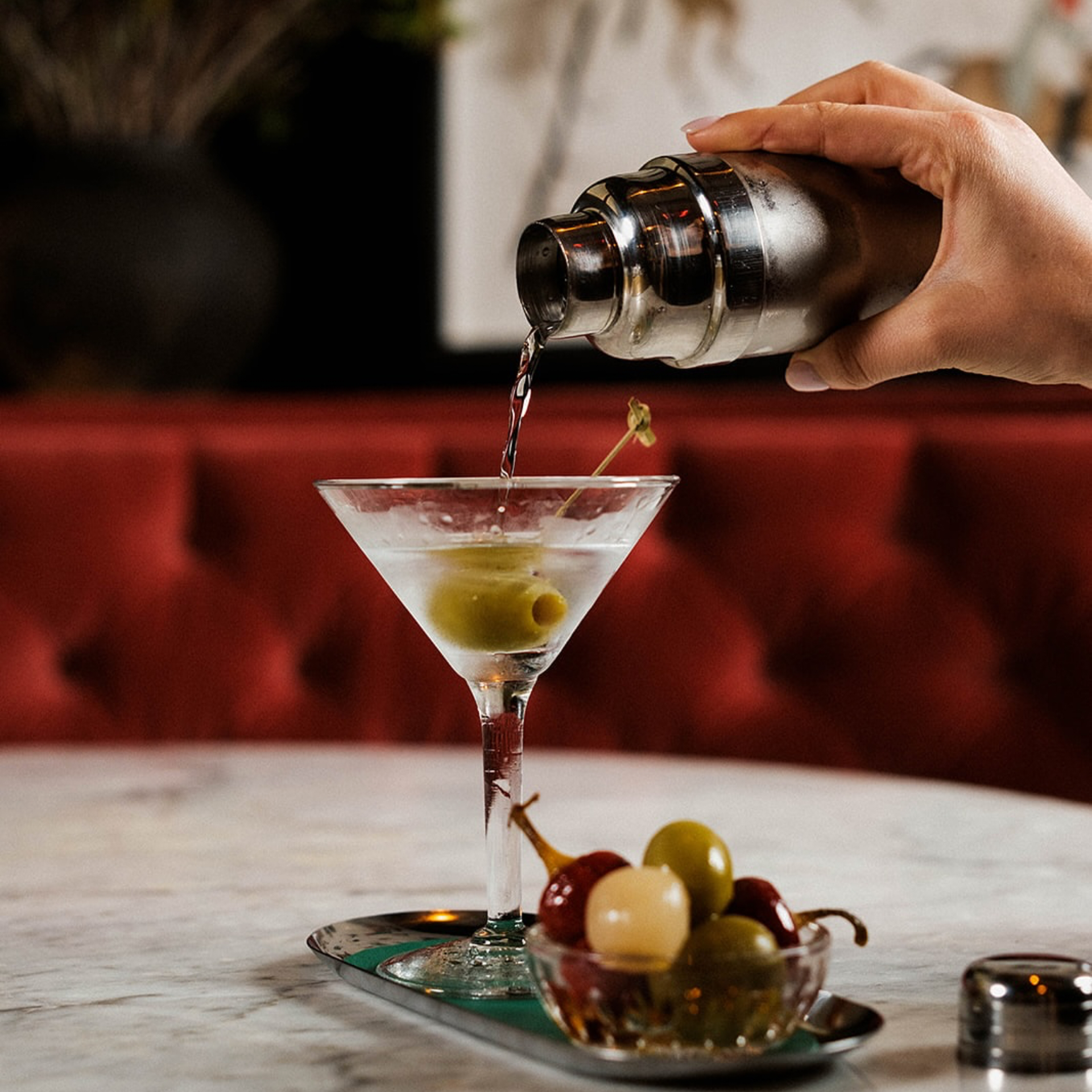
A windowless, converted carriage house that feels removed from the grid. It holds a handful of tables and fills up instantly. The dark-wood interior is the right room for a quiet, late-night cocktail in any season.

Third Space — The Ear Inn
📍 Location: 326 Spring Street — Tribeca, Manhattan | 🌐 Website: The Ear Inn
Technically, the border of Tribeca and Hudson Square. One of the oldest continuously operating taverns in the city. Loud, unpretentious, sawdust-strewn. If your goal is to escape downtown pretense entirely, this is the room, any night of the year.
Three more worth knowing: For serious coffee, Interlude [145 Hudson Street] is the upgrade. WarrenPeace [77 Warren Street], a candlelit Mediterranean cocktail bar built for late, unhurried evenings. And Holywater [112 Reade Street], a subterranean room designed for the cold months. Neither displaces the three above; both are the right call when those are full.

Three Activities
Cultural — Spring Studios
📍 Location: 50 Varick Street — Tribeca, Manhattan
The Tribeca Festival’s nominal home, but the year-round programming is the under-recognized story: live podcasts, creator panels, the Tribeca Storytelling Summit, and a steady run of industry events. Even outside festival weeks, the sidewalk in front of the building functions as an informal hub for the city’s independent film and storytelling community.

Outdoor — Duane Park
📍 Location: Duane and Hudson Streets — Tribeca, Manhattan
The small, cobblestoned green at the residential heart of west-of-Hudson Tribeca. Before 9 AM on any weekday, it is the quietest seat in the neighborhood. Bring a coffee from Laughing Man and watch the residents walk their dogs before the day starts.
Architecture Walk — West-of-Hudson Loop
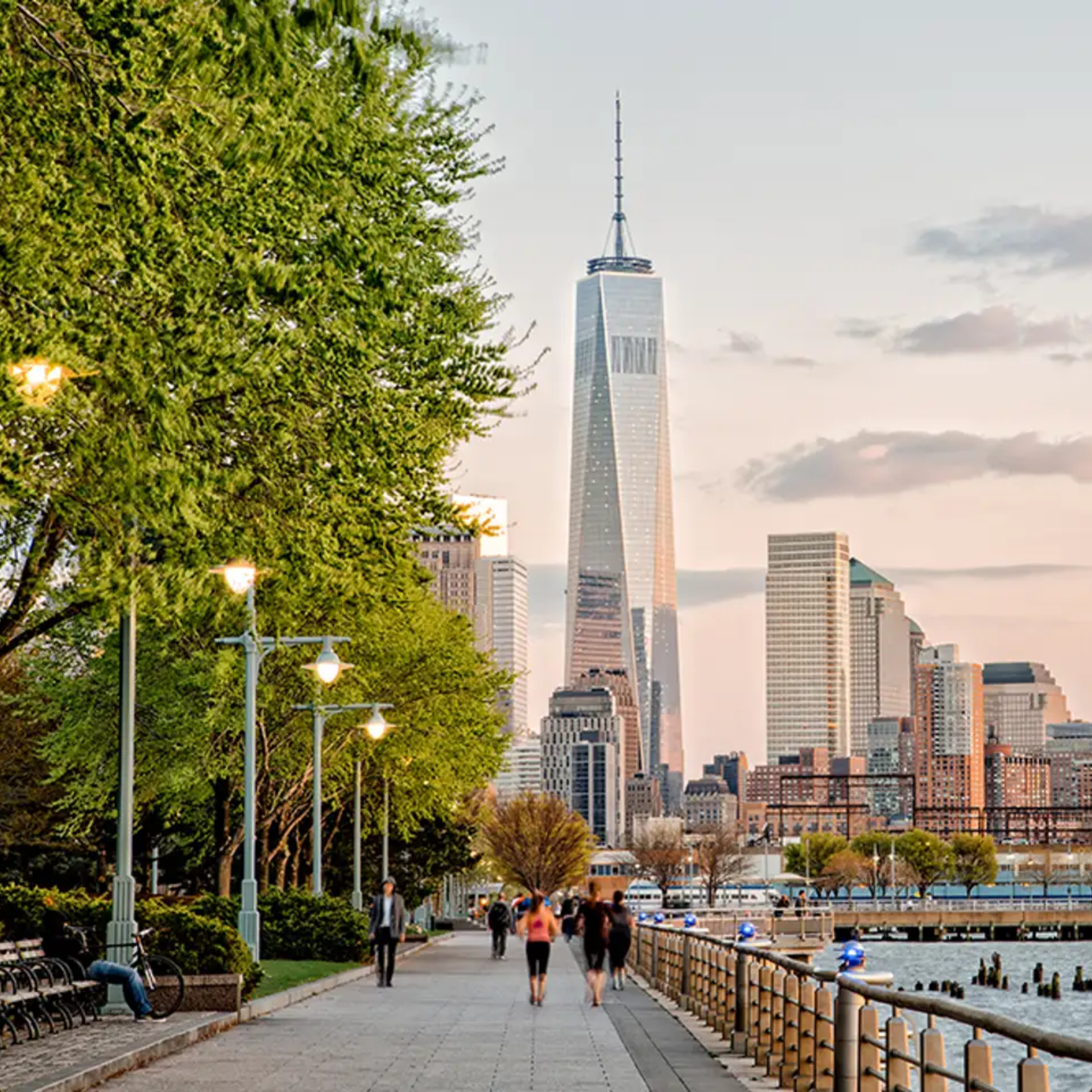
Tribeca’s defining feature is its loft architecture. Most visitors drive through the neighborhood instead of walking it. Start at North Moore, loop down Hudson, cut across Franklin, and finish at Duane Park. The Belgian blocks, cast-iron facades, and textile-mill proportions tell the story better than any gallery roster.

Fine Dining
The 3×3 covers the daily Tribeca. This is the Tribeca you book ahead of time. Three rooms that explain why the neighborhood’s reservation calendar matters.
The Anchor — Jungsik
📍 Location: 2 Harrison Street — Tribeca, Manhattan | 🌐 Website: Jungsik
Three Michelin stars. The most decorated dining room in the neighborhood and a glaring omission from this guide until now. The room is small, the service is uncannily quiet, and the contemporary Korean tasting menu does not announce itself. It does not have to. Reservations via Tock, four weeks out.

The Quiet — L’Abeille
📍 Location: 412 Greenwich Street — Tribeca, Manhattan | 🌐 Website: L’Abeille
A 48-seat room with one Michelin star and a serious wine program. Chef Mitsunobu Nagae, who trained under Joël Robuchon in Tokyo, Paris, and New York, runs a French menu with a Japanese hand. This is the special-occasion choice. Anniversaries, the night before something important, the meal that ends with a slow walk through quiet streets. Reservations open six weeks out on Resy. Take a banquette.
The Craft — Frenchette
📍 Location: 241 West Broadway — Tribeca, Manhattan | 🌐 Website: Frenchette
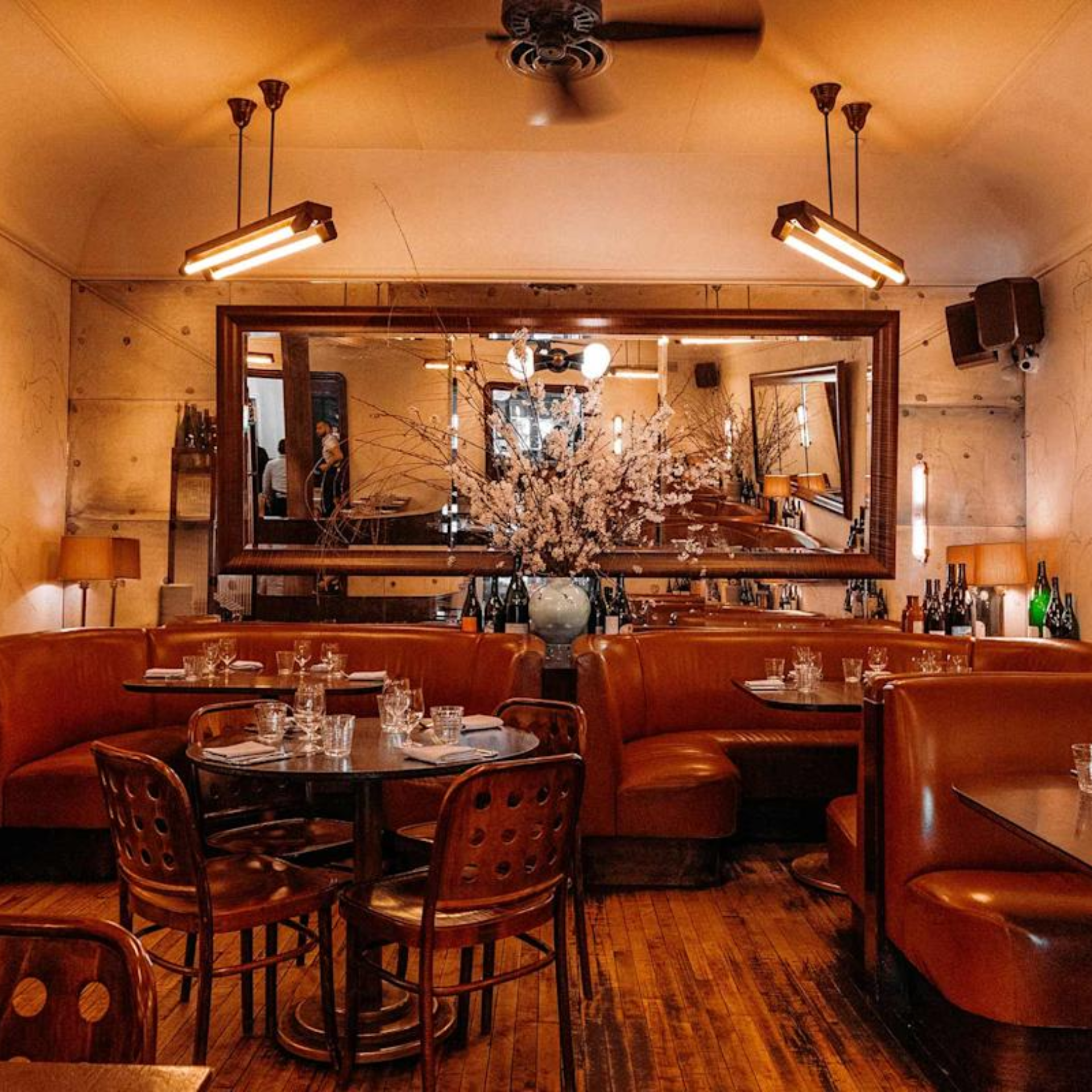
If The Odeon is the brasserie of the creative class, Frenchette is the brasserie of the technique-first crowd. The room comes from chefs Riad Nasr and Lee Hanson, who ran the kitchens at Balthazar and Minetta Tavern for sixteen years before going out on their own. James Beard’s Best New Restaurant of 2019. The kitchen turns on a rotisserie and a Robata grill, both of which earn the order. The duck frites is the move. The natural wine list is one of the strongest in the city. The bar takes walk-ins. The dining room needs a few weeks out.

After Dark
The 3×3 drinks section covers how Tribeca drinks during the day and through dinner. This is what happens after.
Saint Tuesday
📍 Location: 24 Cortlandt Alley — Tribeca, Manhattan [ring the bell] | 🌐 Website: Saint Tuesday
Down a flight in the sub-cellar of the Walker Hotel complex. Candlelit, low-ceilinged, and built for the kind of late hour where the only honest thing left to do is order another drink. The cocktail program comes from Christopher Covey, of the Milk & Honey lineage. Drinks built with discipline rather than theater. Live music nightly. A few doors down from Seventy Seven Alley, which makes it the natural after-dinner move from the Walker. Reservations via Resy. The walk-in window is later than you think.

Shopping & Local Finds
Tribeca’s retail register is closer to Brera than SoHo. Quiet doors. A few minutes’ walk between picks. Three rooms that earn the detour.
The Designer — Nili Lotan
📍 Location: 188 Duane Street + 183 Duane Street [denim and menswear] — Tribeca, Manhattan | 🌐 Website: Nili Lotan
The neighborhood’s longest-running fashion answer. Israeli-born Nili Lotan launched her namesake label in 2003 and opened her first store at 188 Duane in 2006. She still lives in Tribeca. The work is what New Yorkers wear when they want to look like they did not try. Drapey coats, striped silk shirts, knit tanks, the floor-length scoop-neck tank dress that built the brand. Across the street at 183 Duane, the denim and menswear shop opened in 2024 with an espresso bar pulling shots from the same Café Integral beans as Frenchette. Stay for a coffee.

The Concept — Quarters
📍 Location: 383 Broadway, 2nd Floor — Tribeca, Manhattan | 🌐 Website: Quarters
Up a narrow staircase in a 19th-century loft. The space behind the frosted-glass door reads as a chic apartment but functions as a concept store from the Brooklyn-based lighting studio In Common With.
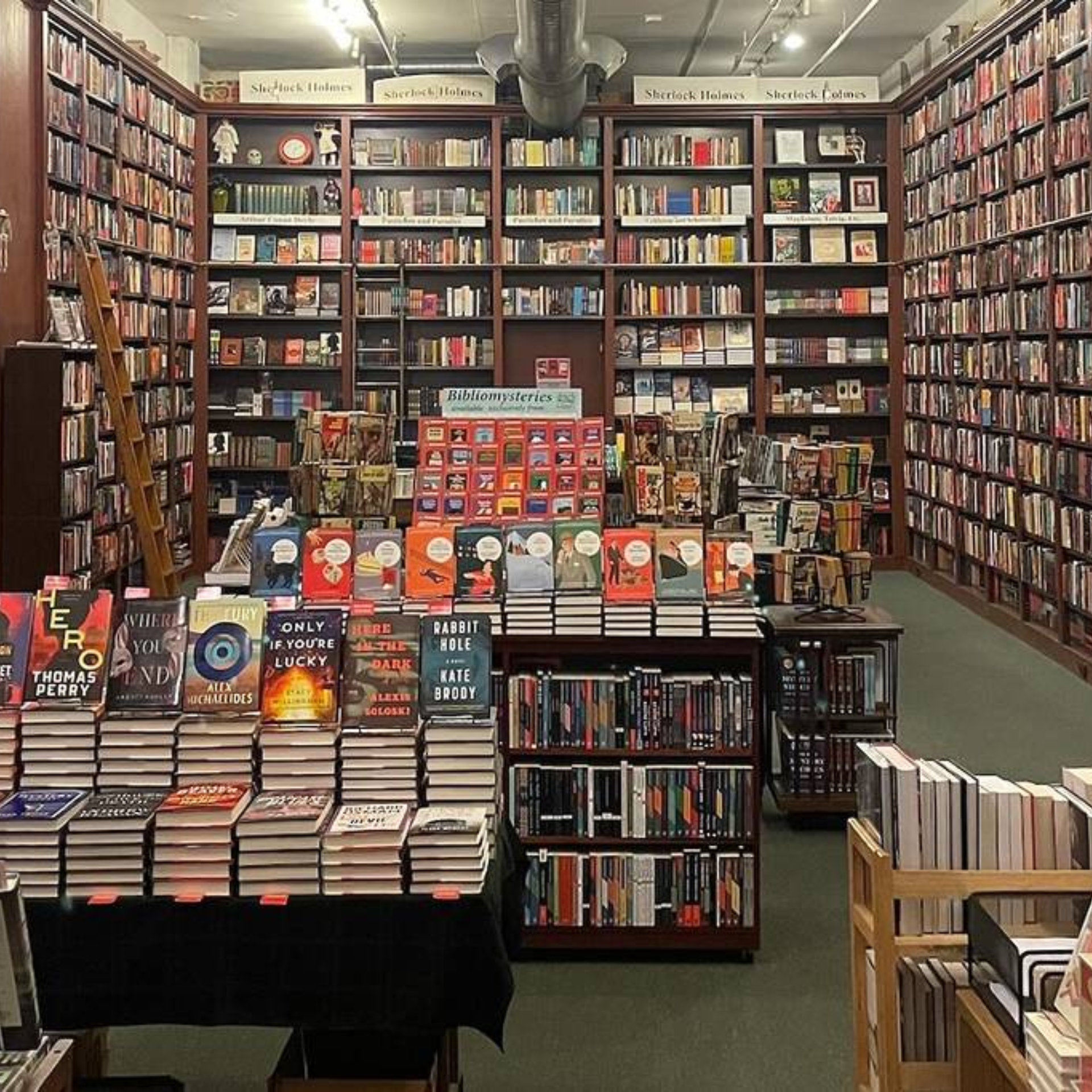
The Specialist — The Mysterious Bookshop
📍 Location: 58 Warren Street — Tribeca, Manhattan | 🌐 Website: The Mysterious Bookshop
The oldest mystery specialist bookstore in America. Opened by Otto Penzler in 1979 and relocated from Midtown to Tribeca, where it now occupies a double-height room with rolling library ladders against floor-to-ceiling wooden shelves. The largest Sherlock Holmes collection in the world lives on one wall in the front, and another thousand-plus titles in the basement. New, used, and rare across detective, crime, espionage, and thriller fiction. Signed first editions along the back. Closed Sundays.
The Reservation Playbook
HOW TO ACTUALLY GET IN
- The practical layer. Tribeca’s hardest tables are not impossible. They just reward readers who know when to book.
- Jungsik—Books out fast. Reserve the moment the Resy window opens.
- L’Abeille—Six weeks out on Resy. Prime Friday and Saturday slots gone within minutes. Weeknight tables are easier and the room is unchanged.
- Frenchette—Three to four weeks out for the dining room. The bar takes walk-ins and is often the better seat.
- Saint Tuesday—Resy, or walk in later on a weeknight. The crowd thins after midnight.
- The Odeon—Friday and Saturday tables are studio-monopolized during festival weeks. The bar at 11 PM is the reliable seat year-round.
- Locanda Verde—Opens four weeks out. Prime slots gone in seconds. [See Skip note elsewhere in this guide.]
The Local Habit
For residents, Tribeca morning is built around architectural quiet. Before 9 AM, the residential streets west of Hudson are nearly empty. Locals walk dogs along the cobblestones of Hudson Street between Duane and Franklin, get an espresso at Laughing Man [184 Duane Street] with no line, and sit at Duane Park for ten minutes before the day starts. The point is the walk. Belgian blocks. Quiet streets. The version of Tribeca that exists when nobody is filming in it. During festival weeks, the cafés on Varick get gridlocked by 8:30 AM, but the residential interior holds its rhythm year-round.
The newest wrinkle in the weekend version of this ritual is Meadow Lane [355 Greenwich Street], the gourmet grocer that opened in late 2025 and promptly drew lines down the block. It is very good: the prepared foods, the Grandma’s meatballs, the florals, and it is also a $65 olive-oil spectacle that tells you something about where the neighborhood is heading. Go early on a Saturday, before the line forms, and treat it as provisioning rather than theater. Whether it reads as fixture or symptom depends on the morning.
Spas in Tribeca
Tribeca’s spa density tells you something about who actually lives here. The neighborhood is one of the few in Manhattan where you can walk five blocks and pass three serious wellness rooms. Residents recover here. That is part of the residential identity, not an add-on.
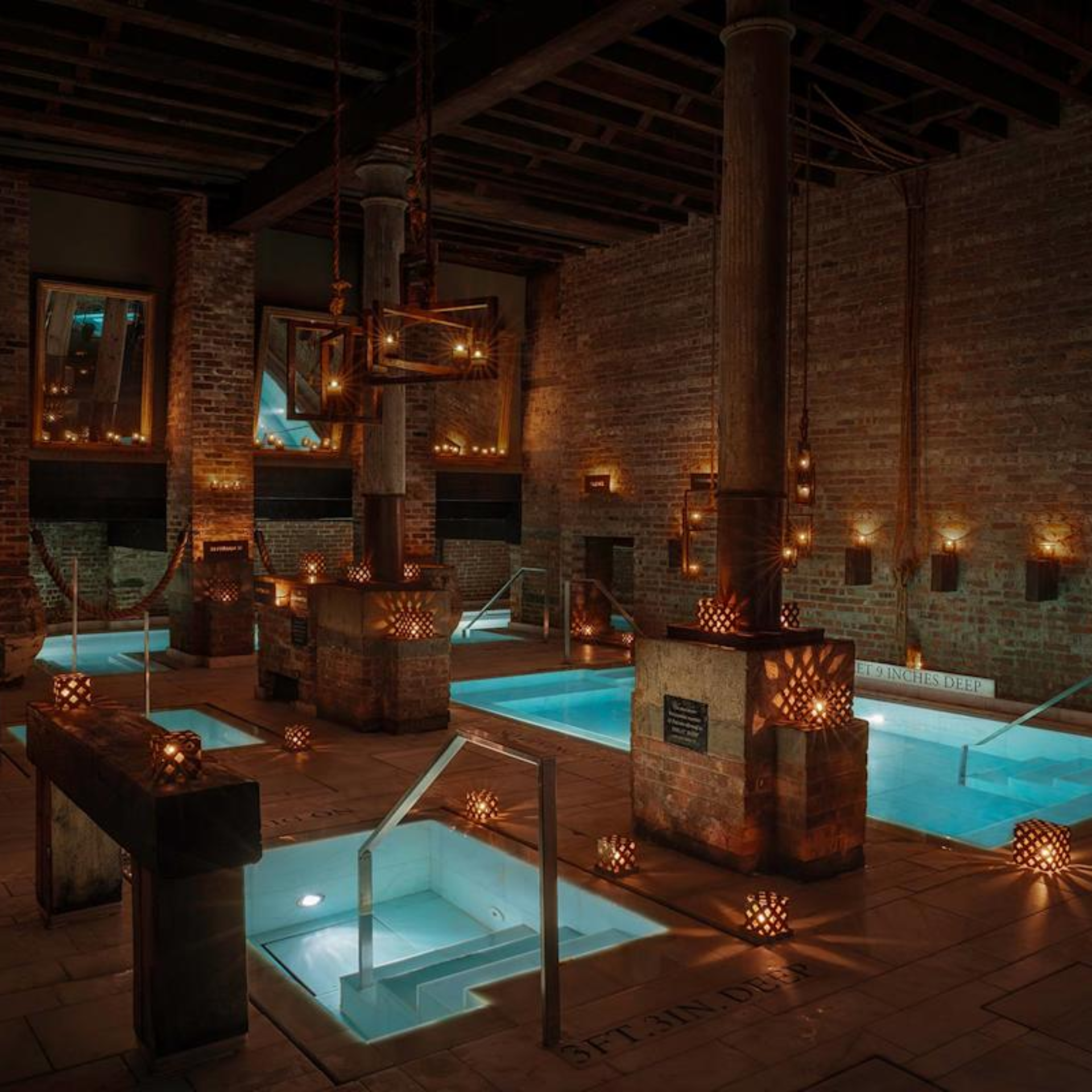
AIRE Ancient Baths [88 Franklin Street] is the destination, 16,000 square feet inside a restored 1883 textile factory, candlelit baths at four temperatures [hot plunge at 104°F, cold plunge at 55°F, tepidarium at 97°F, flotarium at 98°F], with an expanded footprint at 84 Franklin as of summer 2025. Book a Friday afternoon and leave the neighborhood three hours later, recovered.
Tribeca Spa of Tranquility [462 Greenwich Street] has been on this stretch since 2005. The Korean body scrub is the signature; W magazine called it one of the most distinctive treatments in the world. Less theatrical than AIRE, more like a neighborhood doctor’s office for tension.
La Réserve Aesthetics Med Spa + Wellness [177 Duane Street] is the med-spa hybrid—full-spectrum infrared sauna, cold plunge, and IV therapy alongside Botox and dermal fillers. The afternoon-recovery option for residents who treat wellness as preventive medicine.
Where to Stay
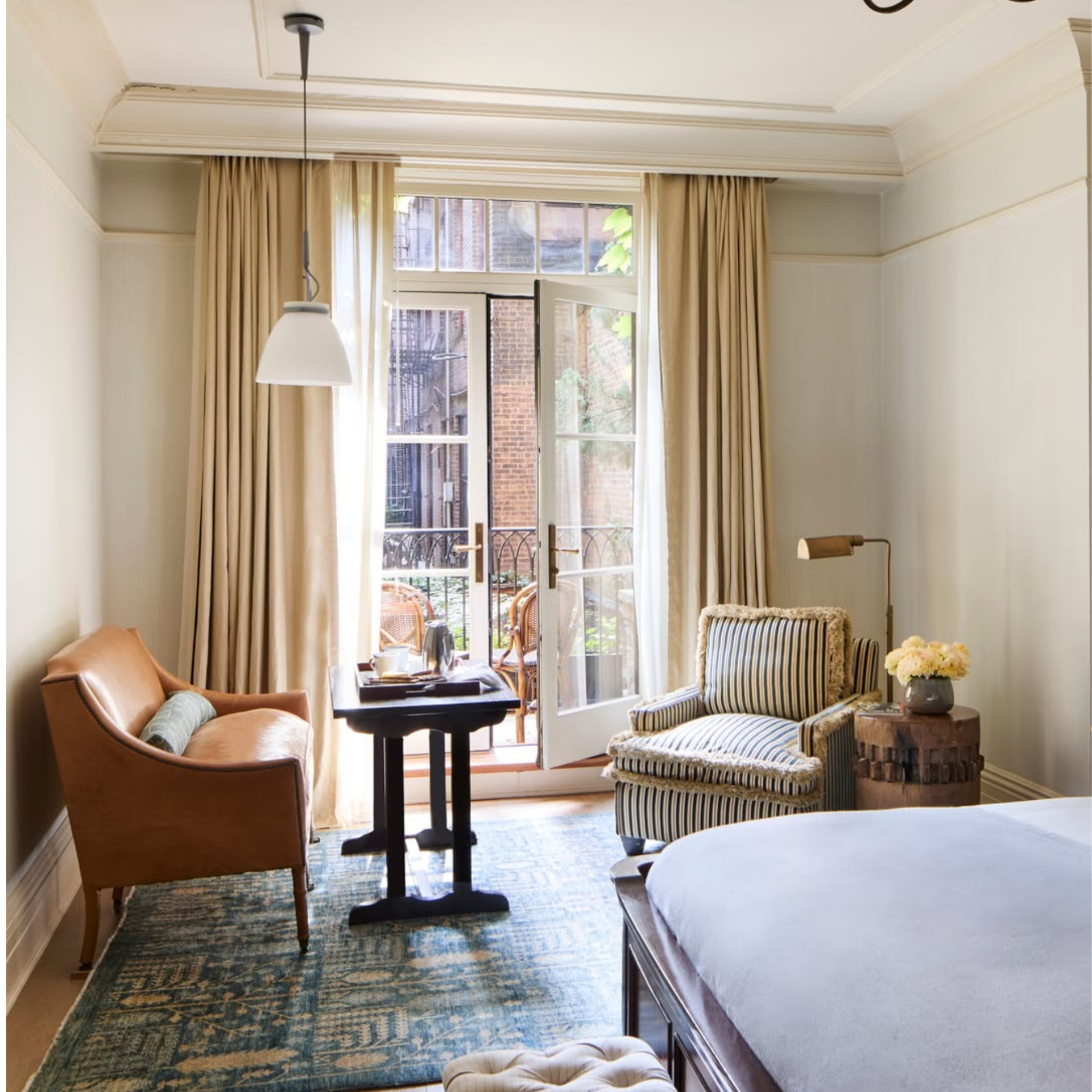
Tribeca’s hotel inventory is small but unusually layered. The neighborhood has fewer than ten named properties, but those properties span the prestige spectrum from De Niro-owned to recent boutique, and they all sit within a six-block radius.
The Iconic — The Greenwich Hotel
📍 Location: 377 Greenwich Street — Tribeca, Manhattan | 🌐 Website: The Greenwich Hotel
Robert De Niro’s flagship hotel. Eighty-eight rooms hidden behind an unmarked brick facade on a quiet block of Greenwich Street. The Greenwich is industry shorthand for downtown discretion. Private entries. A members-only Drawing Room. The copper-lined pool at Shibui Spa that you have already seen in a year of magazine spreads. This is what “Tribeca hotel” means in shorthand, built for residents who happen to be in town for a few days, not for tourists who happen to land in the neighborhood.
The New — Walker Hotel Tribeca
📍 Location: 77 Walker Street — Tribeca, Manhattan | 🌐 Website: Walker Hotel Tribeca
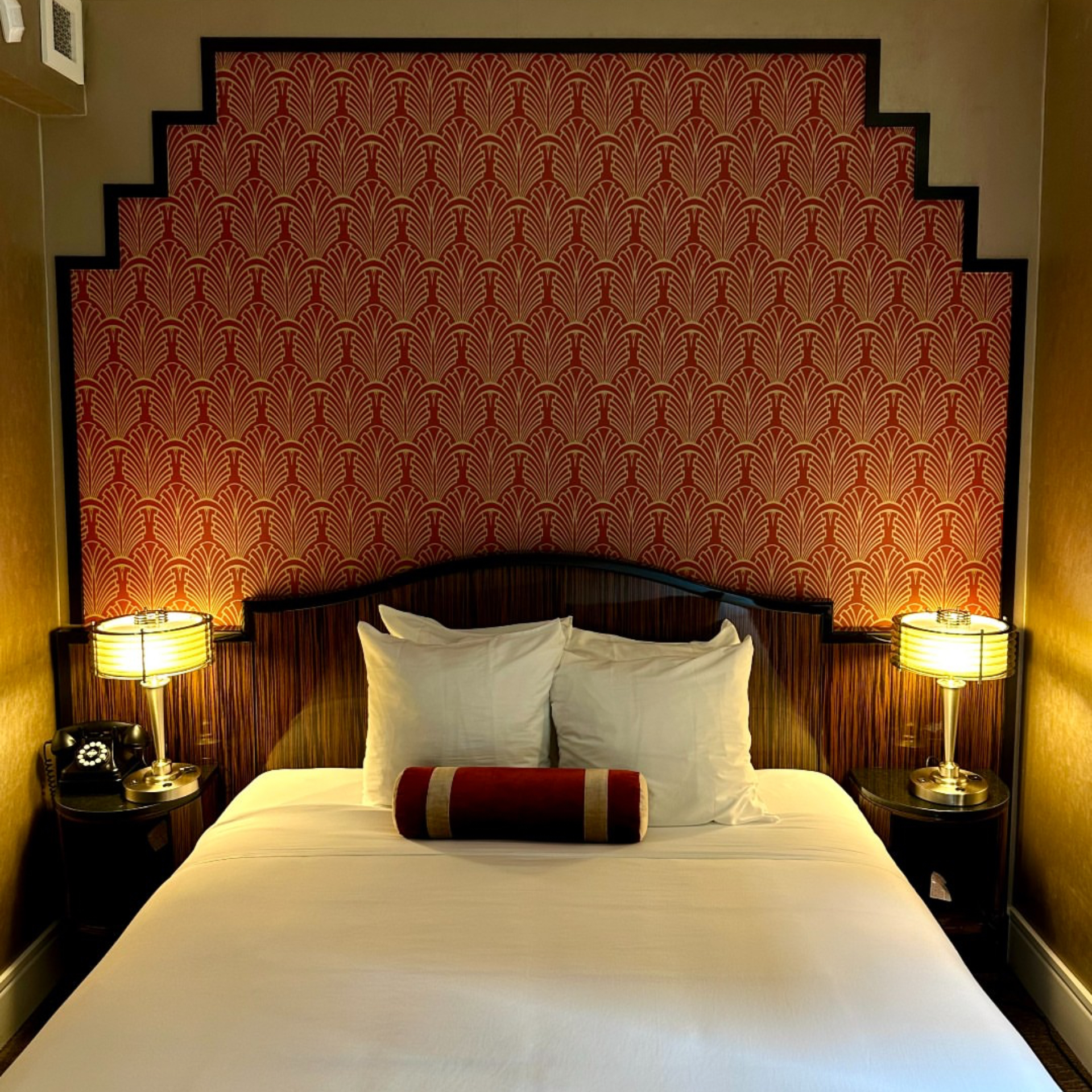
The hotel that anchors Seventy Seven Alley, Tribeca’s most talked-about new dining room. Walker does not perform prestige the way The Greenwich does. It operates inside it. The lobby reads as a working space rather than a stage set, and the room rate sits hundreds of dollars below the Greenwich for materially the same neighborhood access. For the second-visit traveler who has done The Greenwich, Walker is the right swap.

The Secret — Smyth Tribeca
📍 Location: 85 West Broadway — Tribeca, Manhattan | 🌐 Website: Smyth Tribeca
The Thompson-affiliated property that rarely gets written about. Roughly one hundred rooms on the corner of Chambers Street and West Broadway, a stretch few travelers think to consider Tribeca. The Smyth is purpose-built for the visitor who wants Tribeca’s quiet without paying for its prestige. The location puts you closer to BMCC and Brookfield Place than to Greenwich Street, which is either the right or wrong tradeoff depending on what you are here to do.
If you cannot get a Tribeca room: walk west into Hudson Square [Hotel Barrière Fouquet’s is the obvious upgrade], or south into FiDi [The Beekman is the prestige play. The Conrad Downtown is the all-suite play. Both neighborhoods sit within a ten-minute walk of west-of-Hudson Tribeca.

TriBeca Through the Year
June: The Festival Window [June 3–14, 2026]
For two weeks in June, the architectural armor cracks open. The 25th Anniversary Tribeca Festival draws an influx of global industry badges, red-carpet barricades, and corporate activations that rewrite the neighborhood’s flow. There are essentially two Tribecas in early June. West of Hudson Street is the residential enclave, quiet by design. East of Hudson is the festival grid, credentialed, ticketed, surveilled.
Spring Studios [50 Varick Street] is the physical center of gravity, but only for the festival’s live podcasts, creator panels, and the Tribeca Storytelling Summit. The actual screening hubs sit elsewhere: the OKX Theater at BMCC [199 Chambers Street], the SVA Theatre in Chelsea, Village East by Angelika, the AMC 19th Street, and the Beacon Theatre uptown for opening night. If you booked a screening ticket assuming everything sits within a four-block walk, plan for an Uber.
The Rush Ticket Rule: Lines form one hour before each screening. Empty seats are surrendered to the Rush Ticket standby line 10 minutes before the lights go down. Do not show up late.
Festival-week-only skip: The Hudson River Park Piers [25 & 26]. They become primary real estate for corporate sponsor step-and-repeats and private afterparties. Walk ten minutes south to Battery Park City instead.

September–October: Gallery Season
Tribeca’s gallery district concentrates on Walker, White, and Franklin Streets. Major openings run mid-September through the second week of October, when the Chelsea-to-Tribeca migration of the last decade is most visible. Three anchors are worth planning around.
55 Walker Street is the cluster’s center of gravity. Three serious contemporary programs share the building: Bortolami, Kaufmann Repetto, and Andrew Kreps. Kaufmann Repetto [Italian-rooted, internationally networked] runs the most consistent calendar. If you see one show in Tribeca, start here.

R & Company [82 Franklin Street] is the design-and-objects anchor: collectible twentieth- and twenty-first-century furniture and contemporary commissions, the kind of pieces that do not surface at a fair booth. The gallery has been on Franklin since 2000 and expanded to a second space on White Street. The catalog is built, not curated, by season.

For fashion adjacent to the galleries, La Garçonne [465 Greenwich Street] is the first physical store from the long-running online retailer. It reads more like a curated project space than a shop. The editorial restraint matches the galleries around it. The cooler weather also makes the Architecture Walk most accessible; Belgian blocks are less punishing in October than in July. If you have time for one cultural beat in Tribeca outside of festival weeks, this is the window.

December–February: The Quiet Tribeca
The case for visiting Tribeca in deep winter is the case for the neighborhood at its truest. Tourism is low. The festival is six months away, and the residential character is at its most pronounced. The streets are empty. The restaurants take walk-ins. The Odeon’s bar is the warmest room in the city on a cold Tuesday. The Architecture Walk works year-round but reads differently in winter. And the cast-iron facades feel more industrial, less postcard. This is the Tribeca residents protect when they sign their leases.
The 2026 Pulse
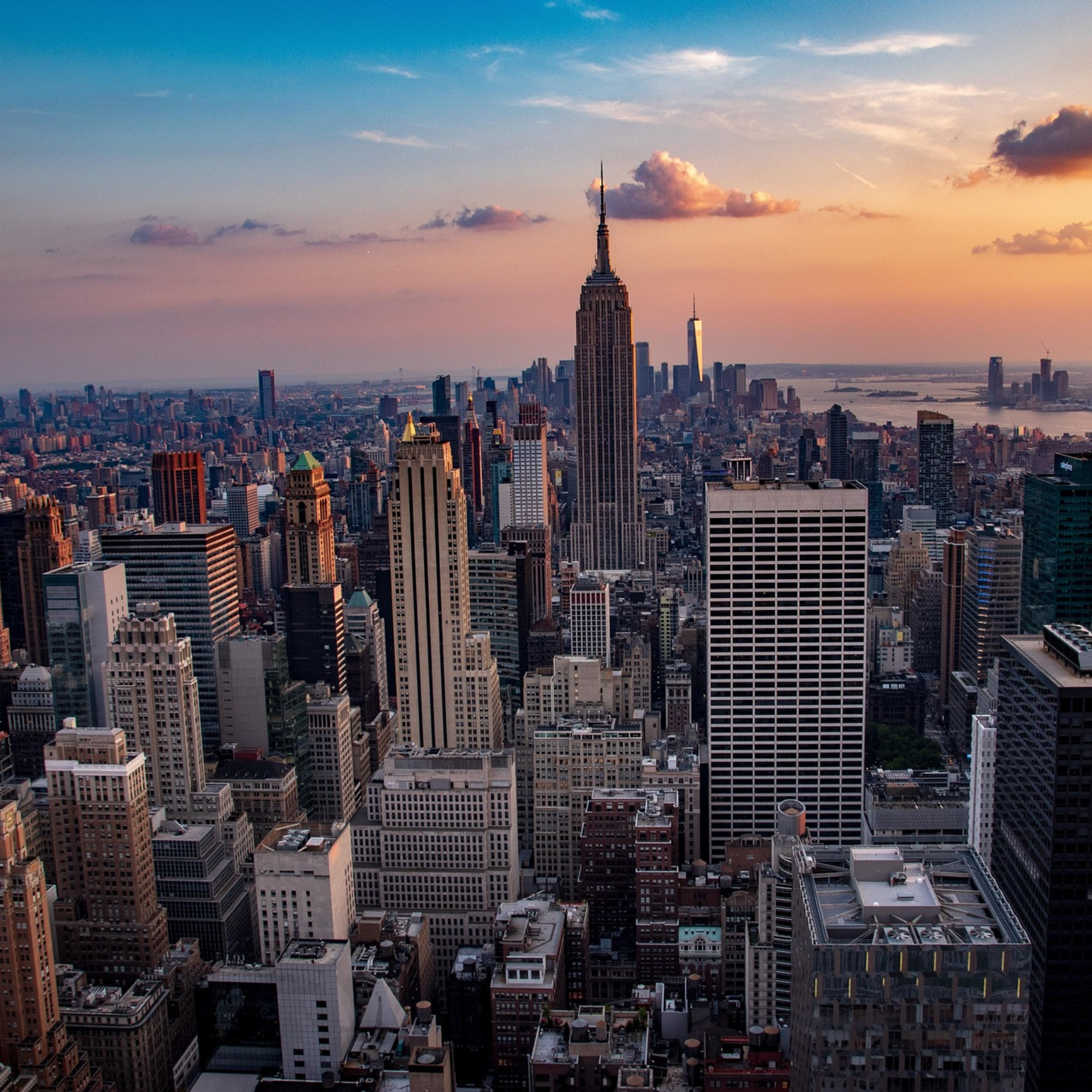
Tribeca’s 2026 story is a convergence of four forces: a festival that has outgrown its footprint, a dining revival anchored by new hotel-adjacent openings, a quiet but meaningful shift in the built environment south of Chambers, and a recalibration of the waterfront’s role.
The Festival Has Decentralized. The 25th Anniversary Tribeca Festival is now a citywide organism. Opening night at the Beacon Theatre, major screenings in Chelsea and the East Village, and a lineup heavy with world premieres and live performances signal a structural shift: Tribeca is the brand, not the container.
Dining Is Reasserting Itself. Seventy Seven Alley’s March 2026 debut marks a deliberate push to fuse culinary and arts programming in a single walkable circuit. The restaurant’s gallery-influenced design and tasting-studio format reflect a broader downtown recalibration toward experiential dining. Faux [the late-night, two-level project from George McNally, aiming to open July 2026] reinforces the return of a social, after-hours Tribeca. The kitchen will be led by Chef Kristina Ramos, formerly of Eleven Madison Park and Oxalis.
The Built Environment Is Shifting at the Edges. 25 Park Row’s ongoing residential consolidation continues to reshape the southern boundary between Tribeca and FiDi, part of a larger wave of downtown conversions accelerated by 2026 tax-incentive deadlines. While not a Tribeca address, the pressure radiates north: more residents, more foot traffic, more demand for neighborhood-scale dining and culture.
The Waterfront Is Entering a New Phase. Pier 26’s science-focused redevelopment [including the new marine-themed play area] signals a shift toward educational and ecological programming along the Hudson. During festival weeks, this space becomes a staging ground for sponsor activations, further tightening the relationship between the waterfront and the festival grid.
The Pulse, distilled: Tribeca in 2026 is no longer the festival’s physical center. It is the narrative center—the name, the memory, the myth. The neighborhood is responding with new dining, new cultural anchors, and a slow architectural evolution that keeps its residential core intact while absorbing the city’s broader downtown revival.

Curation by Subtraction
Skip: Locanda Verde
📍 Location: 377 Greenwich Street — Tribeca, Manhattan | 🌐 Website: Locanda Verde
Robert De Niro’s flagship Italian restaurant at The Greenwich Hotel is booked year-round and industry-owned during the festival. Reservations open four weeks out. The prime slots are gone in seconds. The food is fine; the bottleneck is the calendar.
Walk three blocks to Walker’s [16 North Moore Street], a true neighborhood tavern with French-leaning plates, walk-in friendly, and historically insulated from reservation pressure.
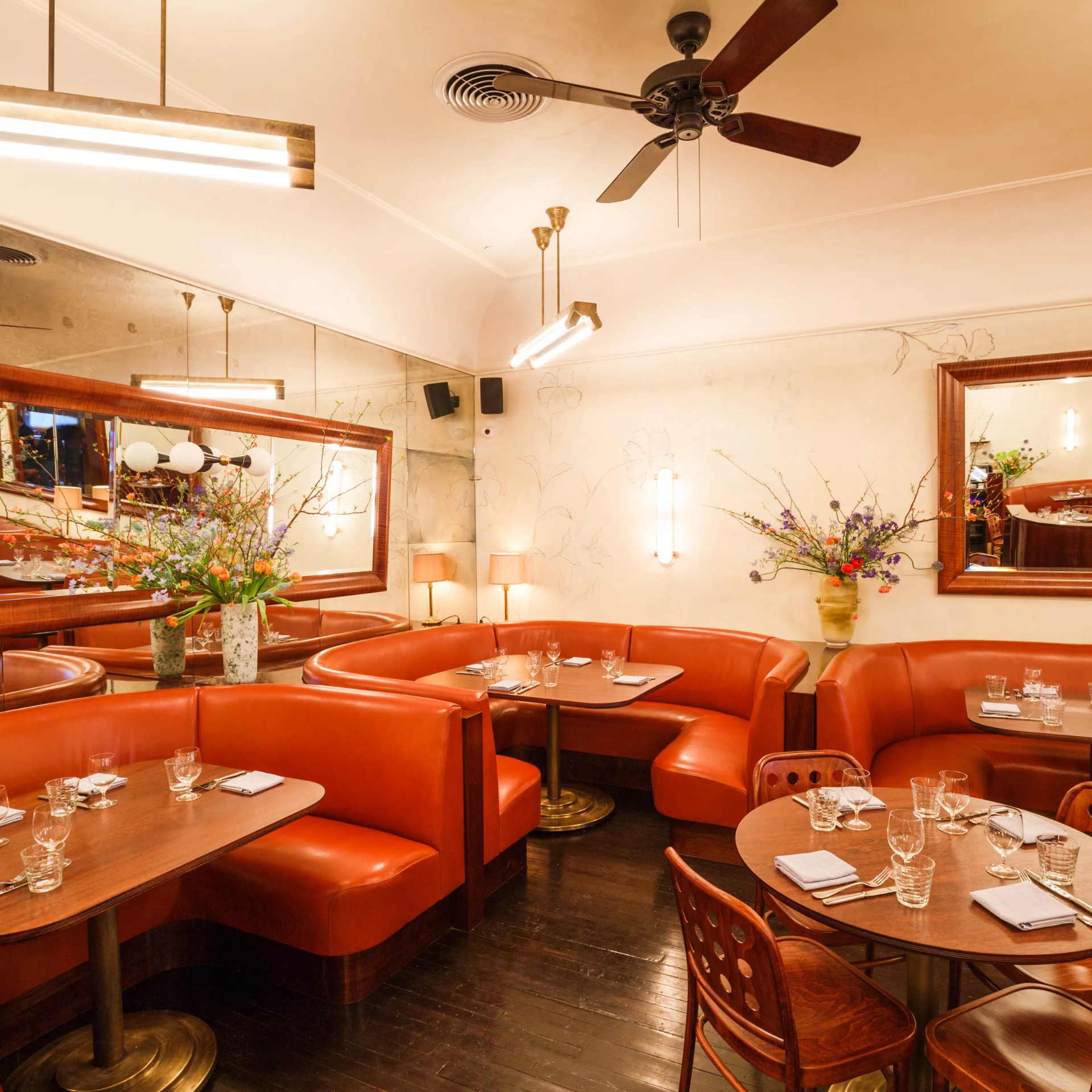
Skip: Frenchette
📍 Location: 220 Church Street — Tribeca, Manhattan | 🌐 Website: Frenchette
The high-end French sister to Frenchette Bakery is industry-bound year-round and impossible during the festival. The bakery is excellent; the restaurant is gated during the festival. The bakery is excellent; the restaurant is gated.
Walk three blocks to Yves [385 Greenwich Street]. Modern French in a 200-year-old former Seafarers Inn, 46 seats inside and outdoor tables wrapping the corner at North Moore.
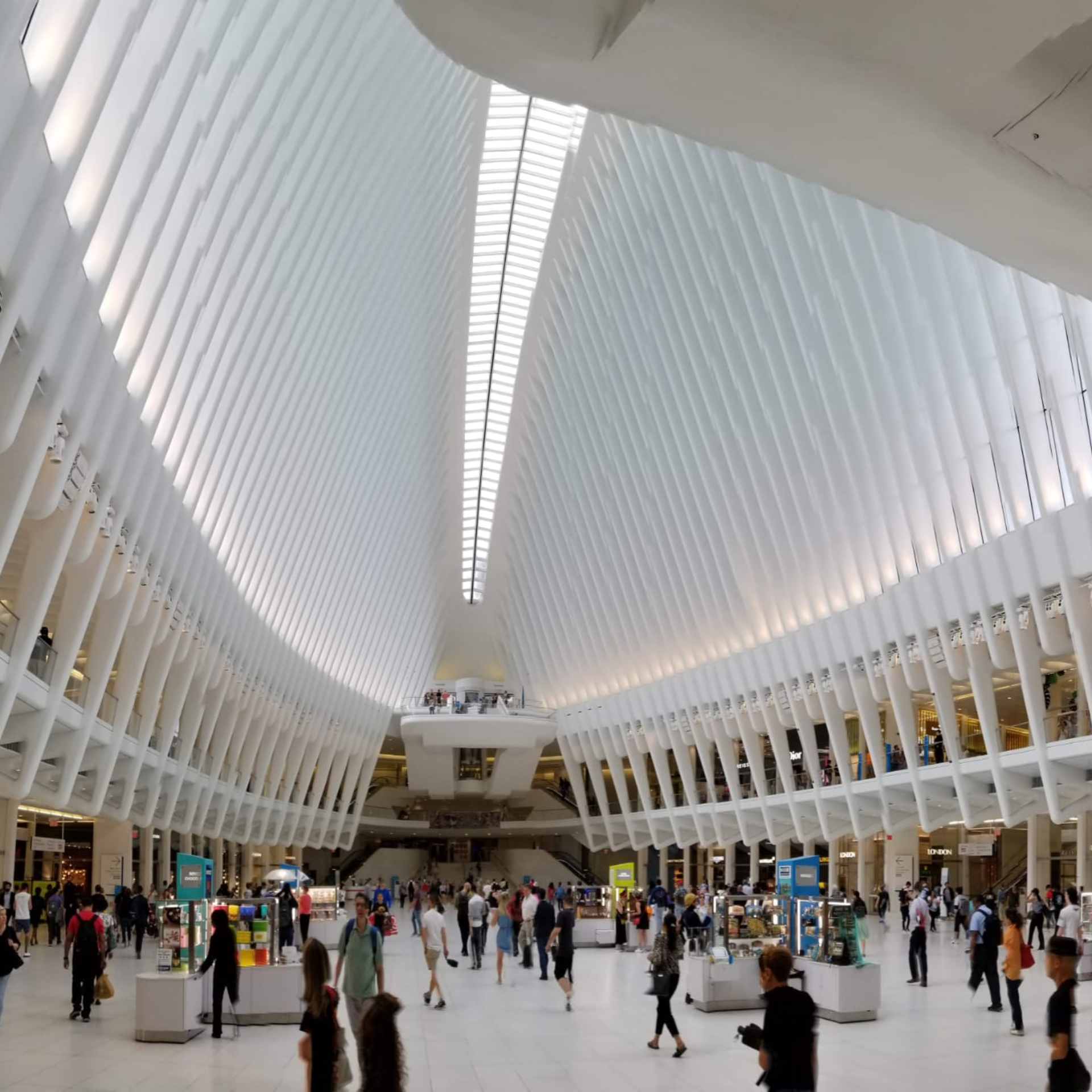
Skip: The Westfield WTC Mall
📍 Location: 185 Greenwich Street — Financial District, Manhattan | 🌐 Website: The Westfield WTC Mall
Touristed conflation with Tribeca. The chain-store retail mix has no neighborhood character. The Oculus is architecturally interesting for about five minutes. Then you are in a mall.
Walk three blocks to Korin Japanese Trading [57 Warren Street], the specialty knife and tableware shop that supplies most of the city’s restaurant kitchens. Or The Mysterious Bookshop [58 Warren Street], the only mystery-specialty bookstore in New York.
The Escape Route
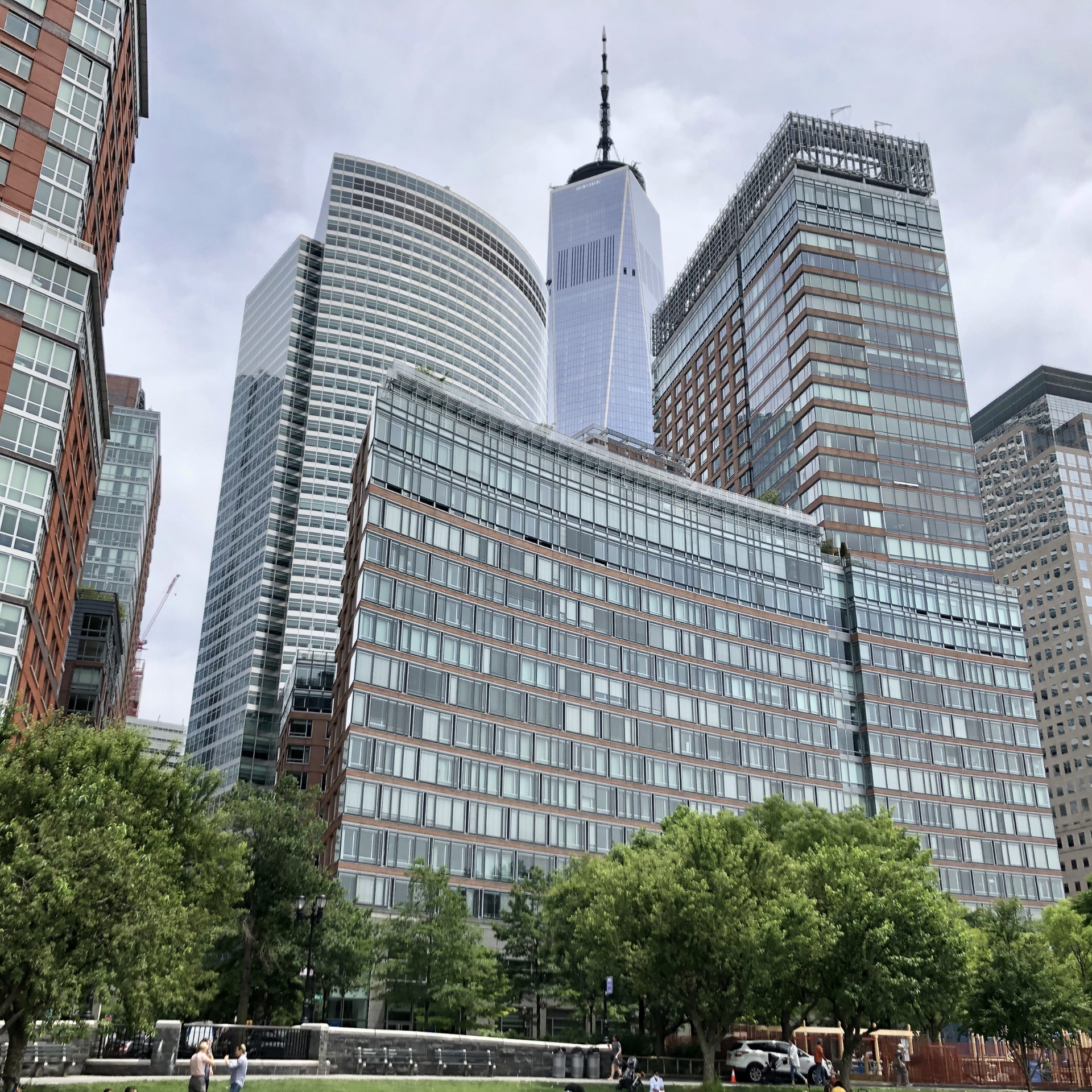
Too Crowded? Walk ten minutes south to Battery Park City. The lawns are wide, the river views are unobstructed, and Tribeca’s residential rhythm gives way to the quieter southern tip of Manhattan.
Want More? Take the 1 train north to Christopher Street, and you are in the West Village. Or walk fifteen minutes south from Chambers Street to Wall Street and the new residential FiDi—the neighborhood that has spent 2026 absorbing everything Tribeca cannot.
BKLS PRO-TIP
The Odeon martini-and-fries at 11 PM is the highest-leverage decision in the neighborhood—any night of the year, not just during festival weeks. You skip the impossible-on-most-nights dinner reservation, you arrive after the dinner rush has rolled out, and you get the original room at its truest hour. Order the martini cold and dry. The fries are the standard.
BKLS NOTE
Tribeca does not open itself to outsiders easily. The architecture is the first defense. The price is the second. The residents do not perform for visitors and will not pretend to. To visit well is to accept that—to walk the cobblestones quietly, to eat at the bar instead of insisting on a table, to find the version of the neighborhood that exists when nobody is filming in it.