Six Coasts Governors Island is not a themed restaurant. It is a real piece of Caribbean social architecture placed on a New York waterfront.
The ferry ride slows people down before they even arrive. Seven minutes from Lower Manhattan, long enough to feel the shift. Six Coasts adjusts to that pace immediately
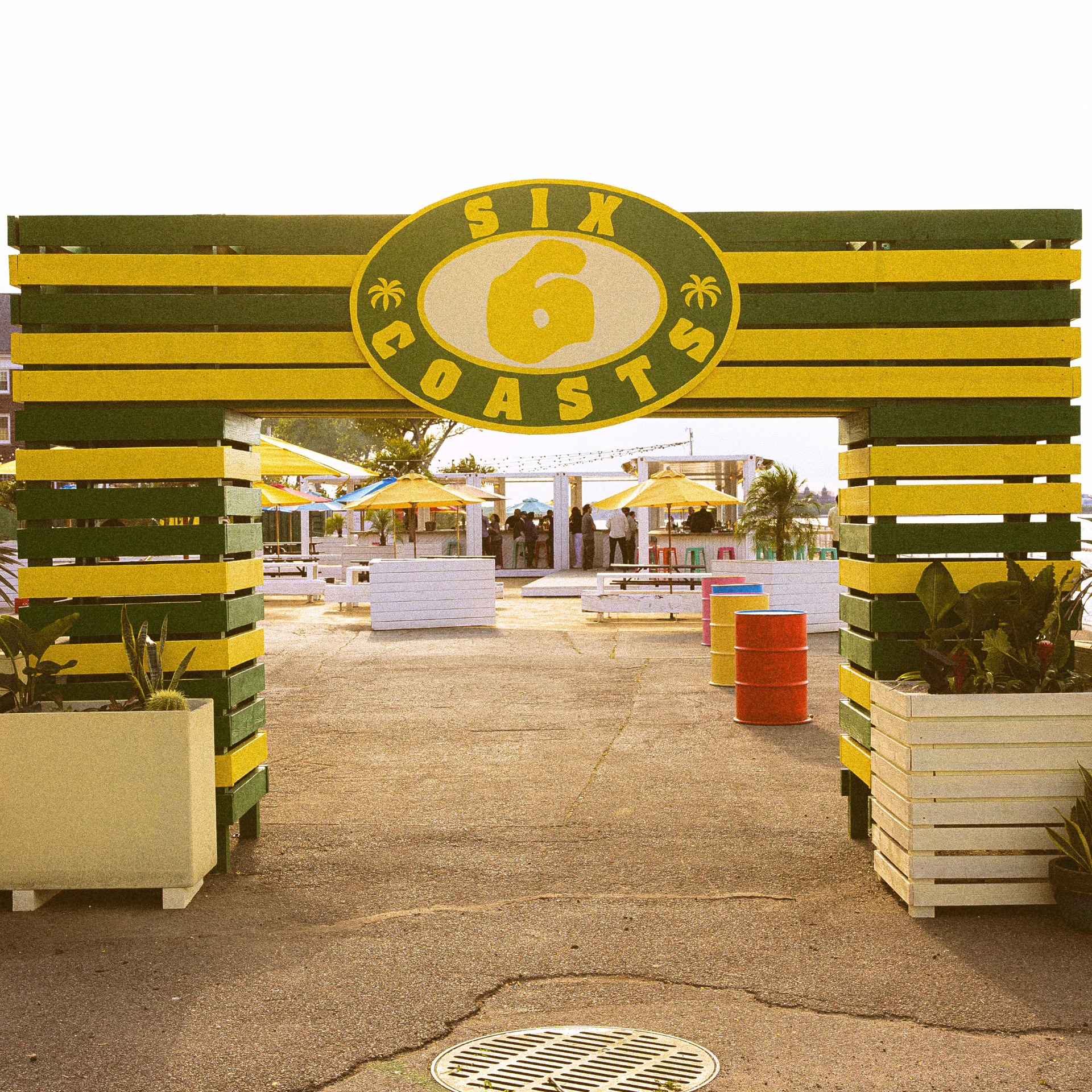
Parts of the space resemble the kind of backyard cookshop found across Guyana, or a beachfront setup in Jamaica. Or any stretch of coastline in the Caribbean where the table was never meant to be formal, and no one agreed on when to leave. Open-air bars face the water. Seating feels improvised. Fruit counters sit near the entrance.
Music carries through the air before the lights come on overhead. Set directly along the waterfront at Soissons Landing, Six Coasts feels less like a seasonal restaurant and more like a Caribbean-style gathering space built around breeze, music, seafood, rum, and the social architecture of outdoor eating. Lower Manhattan remains directly across the water, yet the atmosphere belongs somewhere much farther south.
The space, created by Smorgasburg, stretches along the waterfront with open‑air bars, communal picnic tables, fruit stands, string lights, shipping containers, and colorful umbrellas casting long shadows as the afternoon shifts into evening. Nothing feels overly polished. It works because nothing feels overthought.
Table of Contents Show
The Space
The result does not feel manufactured for social media. It feels inherited.
What Six Coasts captures especially well is not Caribbean aesthetics but Caribbean behavior. The domino tables are not decorations. Neither are the coconuts stacked beside the cut‑fruit stand or the smoke rising from the jerk pan near the edge of the property. Caribbean food culture has never been only about what arrives on the plate. It is about how people gather around it, how long they stay, and the way the evening naturally forms once the sun starts to lower.
The result does not feel manufactured for social media. It feels inherited.
The Shift
As daylight fades, the atmosphere changes again. The bright waterfront palette softens into string lights, dark water, and silhouettes against the skyline. The long bar facing Manhattan becomes the room’s center. Conversations deepen. Ferry schedules matter less. What begins as a late‑afternoon stop turns into an evening.
By the time the lights come on, the shift from atmosphere to appetite feels natural. The menu follows the same pace the space has already set.
Six Coasts succeeds because it resists the polished rooftop formula that dominates New York’s warm‑weather dining scene. Instead of simulating escape through exclusivity, it creates something more convincing. It offers the feeling of stepping into another way of gathering without leaving the city.
The Menu
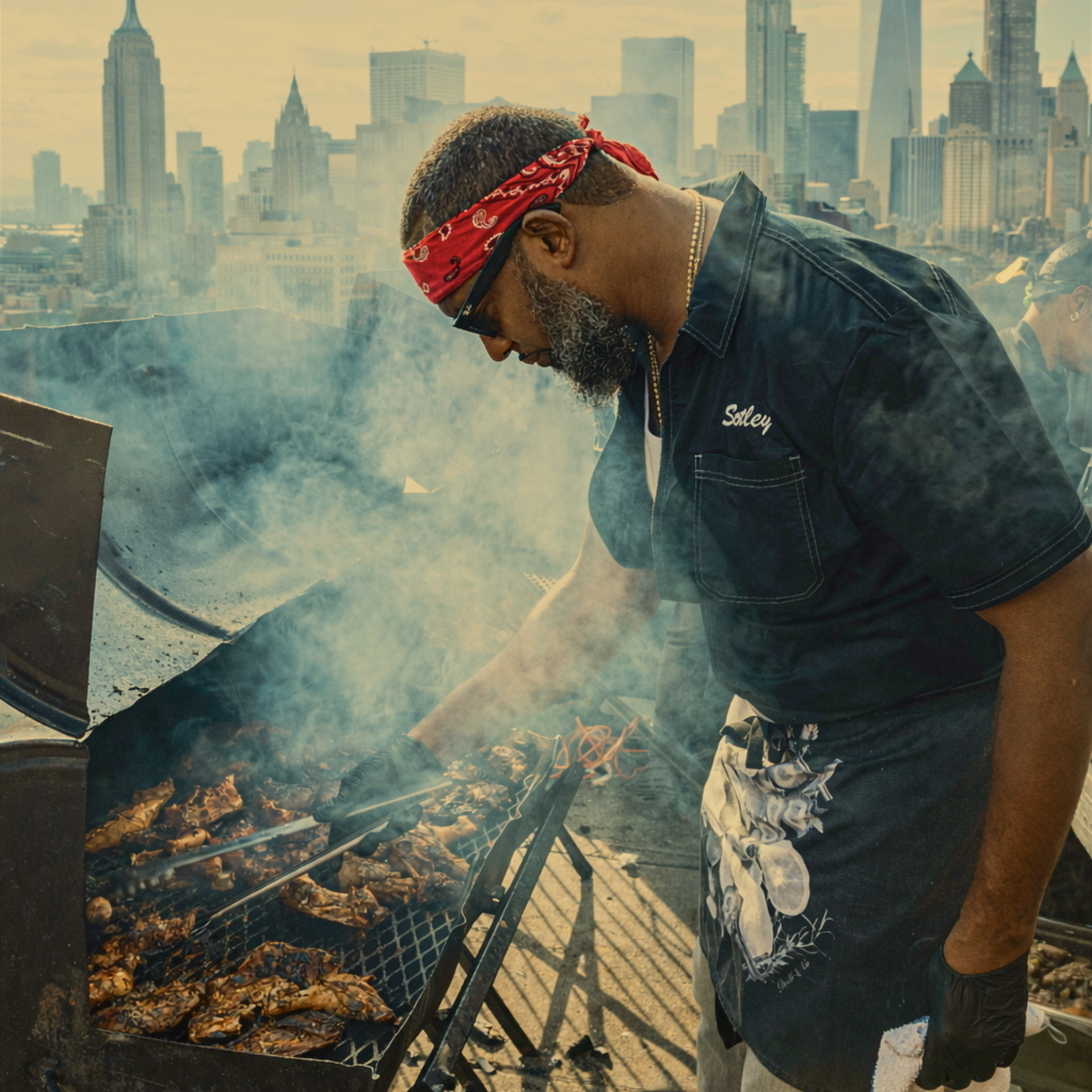
The culinary vision belongs to Chef Scotley Innis, a Jamaican American chef whose résumé moves between Caribbean concepts at Hotel Indigo Williamsburg and competitive television appearances on Chopped All Stars and Hell’s Kitchen. What he brings to Six Coasts is less fusion than fluency: a cook who reads multiple coastal traditions from the inside and treats Caribbean cooking as a living language rather than a theme.
The menu moves across the Americas without forcing the idea. Instead of reducing coastal cooking into a single identity, Six Coasts allows different traditions to remain recognizable while sharing the same table. Seafood, spice, citrus, smoke, fried textures, pickled heat, fresh herbs, rum, and fruit move together naturally.
The Raw Bar at Six Coasts
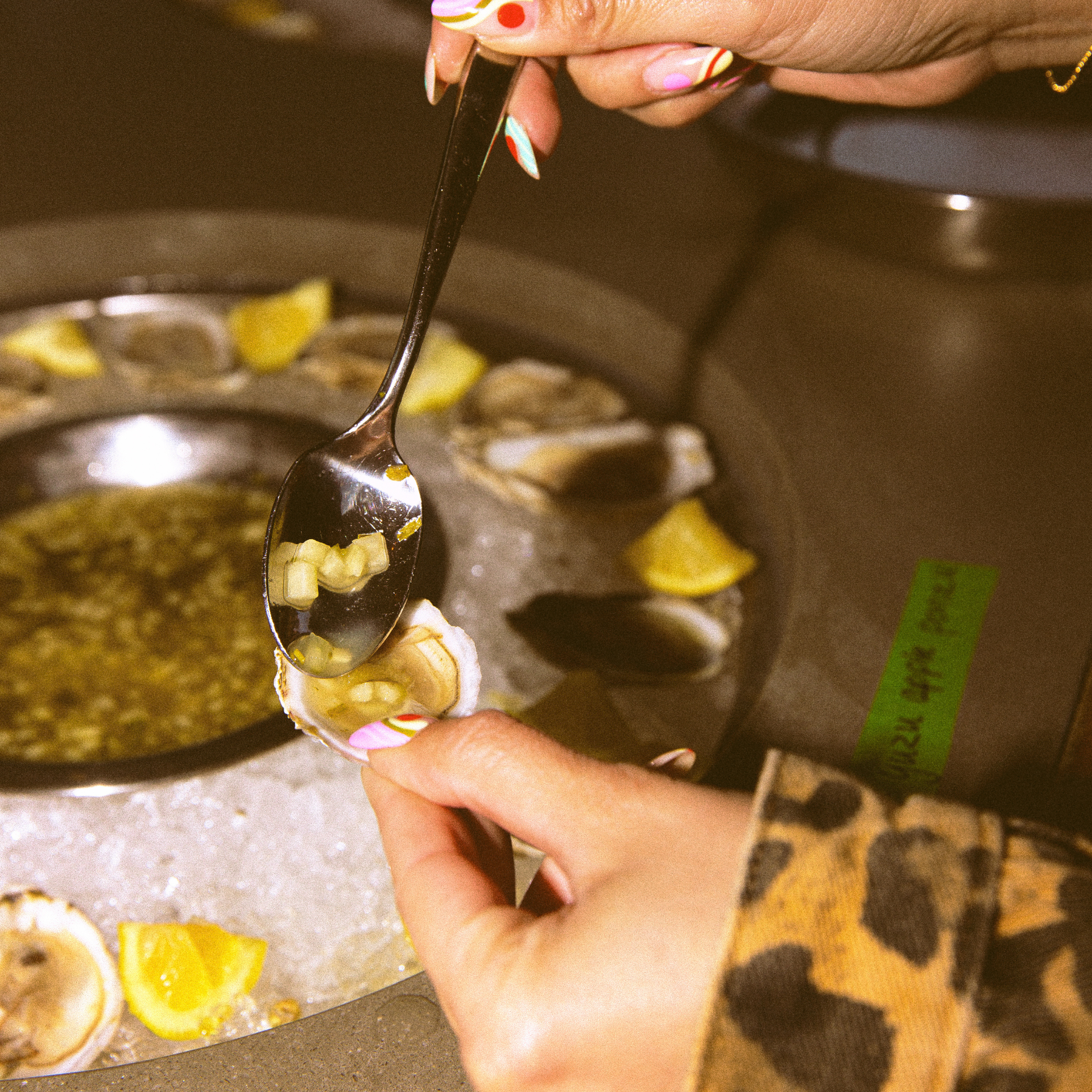
The East Coast oysters set the tone. Served with six mignonettes tied to different coastal regions, they become less about the oysters and more about the sauces layered over them. The North Atlantic version, built on red wine vinegar and shallots, carries the clean sharpness of a classic mignonette.
The stronger expressions come from the Caribbean and Latin American influences. The scotch bonnet charred mango version brings sweetness first, then heat. The yuzu apple ponzu adds brightness without flattening the oyster. The cucumber serrano aguachile carries a green freshness that feels almost cold against the salt.
The standout is the Andes mignonette. The leche de tigre hits sharply, then softens into citrus and pepper. It transforms the oysters entirely. Not delicate. Not restrained. Fully alive.
The Plates
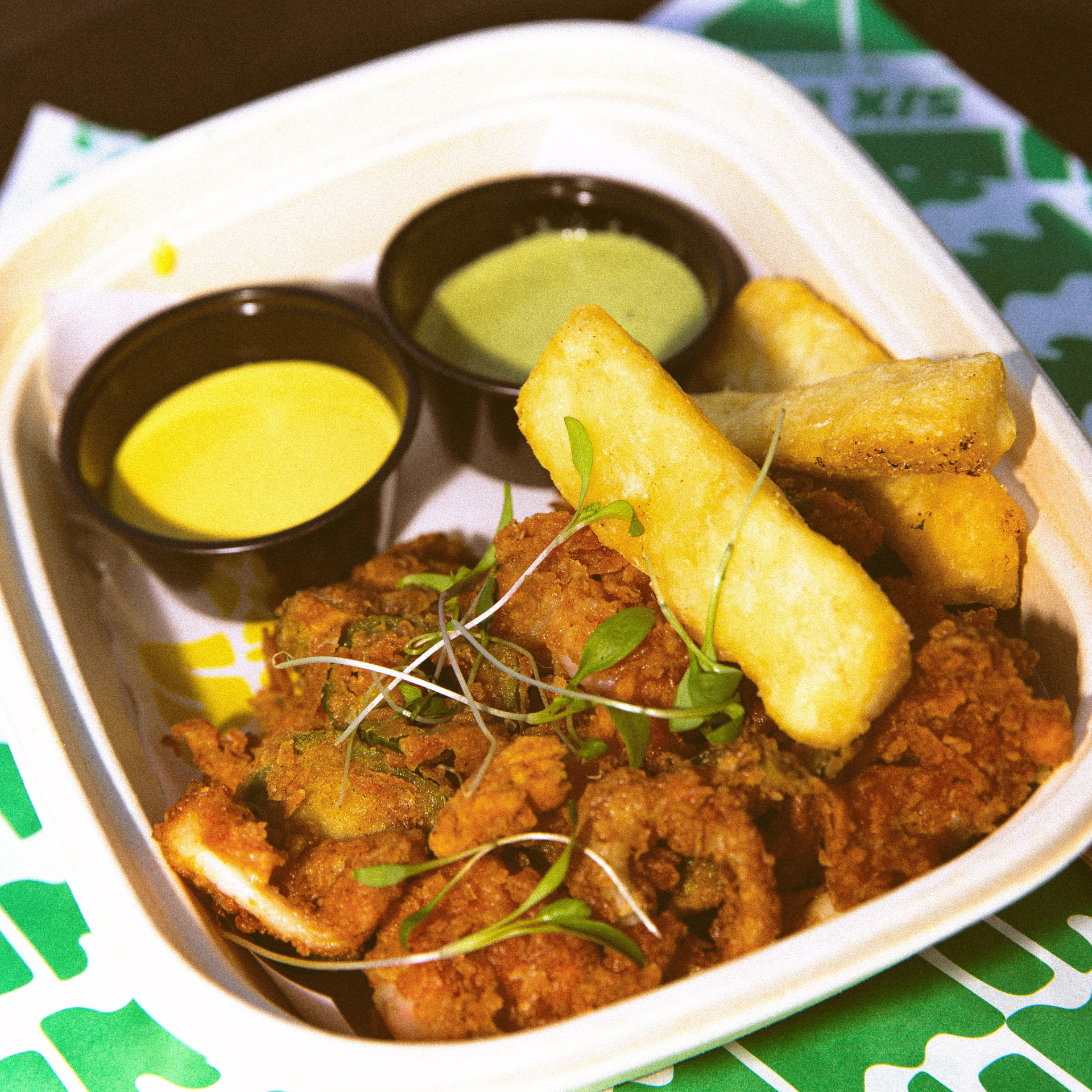
The Jalea de Mariscos is one of the strongest dishes on the table. Crispy shrimp, calamari, and fish arrive piled over yuca fries with ají amarillo and ají verde cutting through the richness. Crisp batter gives way to soft seafood. The density of the yuca meets the brightness of the sauces. It carries the fullness of beachside platters found throughout parts of Peru and the Caribbean. Food designed to be eaten slowly outdoors with drinks arriving between bites.
The Vegan Jalea holds its own beside it. Oyster mushrooms replace the seafood without feeling like a compromise. The mushrooms stay crisp while absorbing the seasoning deeply. Peppers, onions, yuca fries, and ají sauces give the plate the same satisfying weight and heat. It tastes cared for rather than adapted.
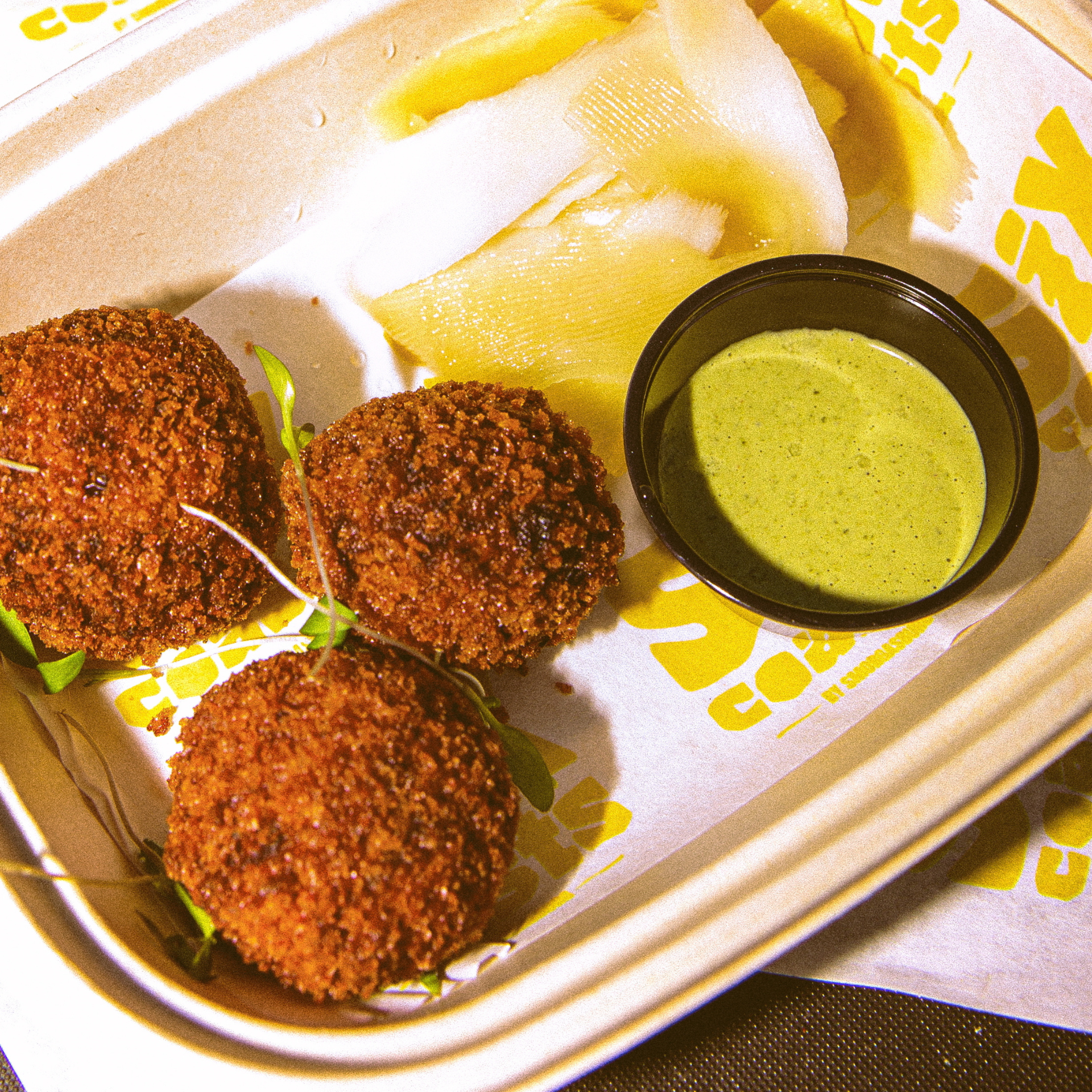
The Crab Croquettes are among the most emotionally specific dishes of the evening. Crisp outside, soft inside, filled with blue crab and plantain, they arrive with pickled mango that shifts the flavor somewhere familiar if you grew up around it. The acidity. The sweetness. The slight funk of fruit beginning to turn. It tastes less like technique and more like memory.
The Tamarind Wings leaned sticky, smoky, and sweet beneath the jerk marinade. Sesame cuts through the richness while the tamarind glaze pulls the heat deeper. Nearby, jerk chicken cooked over the jerk pan carries the scent of smoke through the property before it reaches the table. The char is strong. The seasoning settles deep. Proper jerk should border on overdone, the smoke and spice fused into the edges of the meat. This comes close.
Six Coasts The Full Range
The menu is broader than a single visit can cover. The raw bar alone offers six mignonettes tied to coastlines from the North Atlantic to the Andes, alongside tiraditos, ceviches, a lobster cocktail, and a full Seafood Tower at $130.
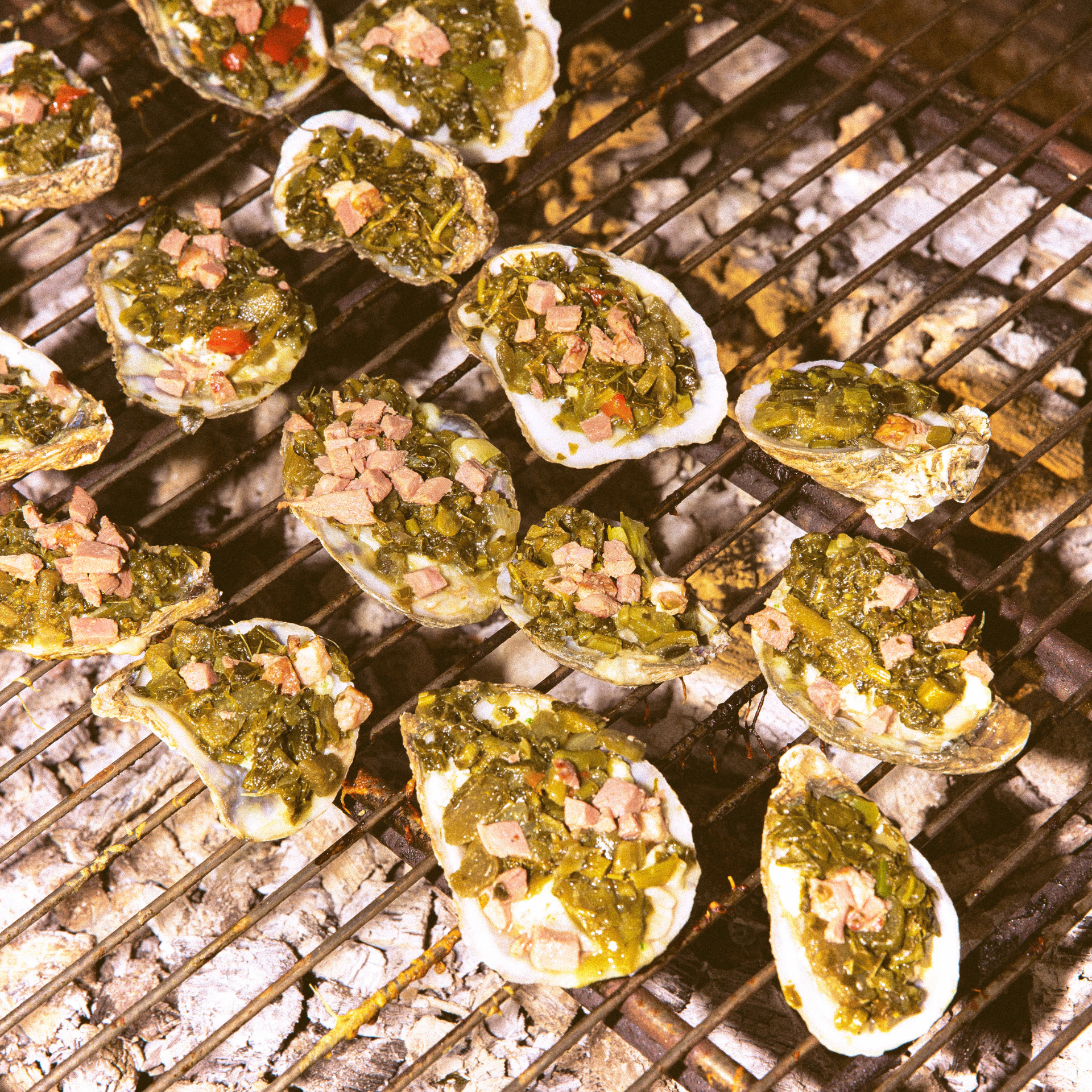
The all‑day menu runs from bar snacks to shareable plates. Jamaican patties, tostones, Peruvian corn nuts, fire‑roasted elote with jerk butter, a soft shell crab sandwich, duck chicharrón, chargrilled oysters with callaloo and duck bacon, and a Double Smash Burger with a vegan option and an optional lobster add. Salads hold their own. Churros close the meal. There is a kids’ menu, which matters here. Six Coasts is built around the way families actually move through Governors Island. A first visit covers a fraction of it.
The Cocktails
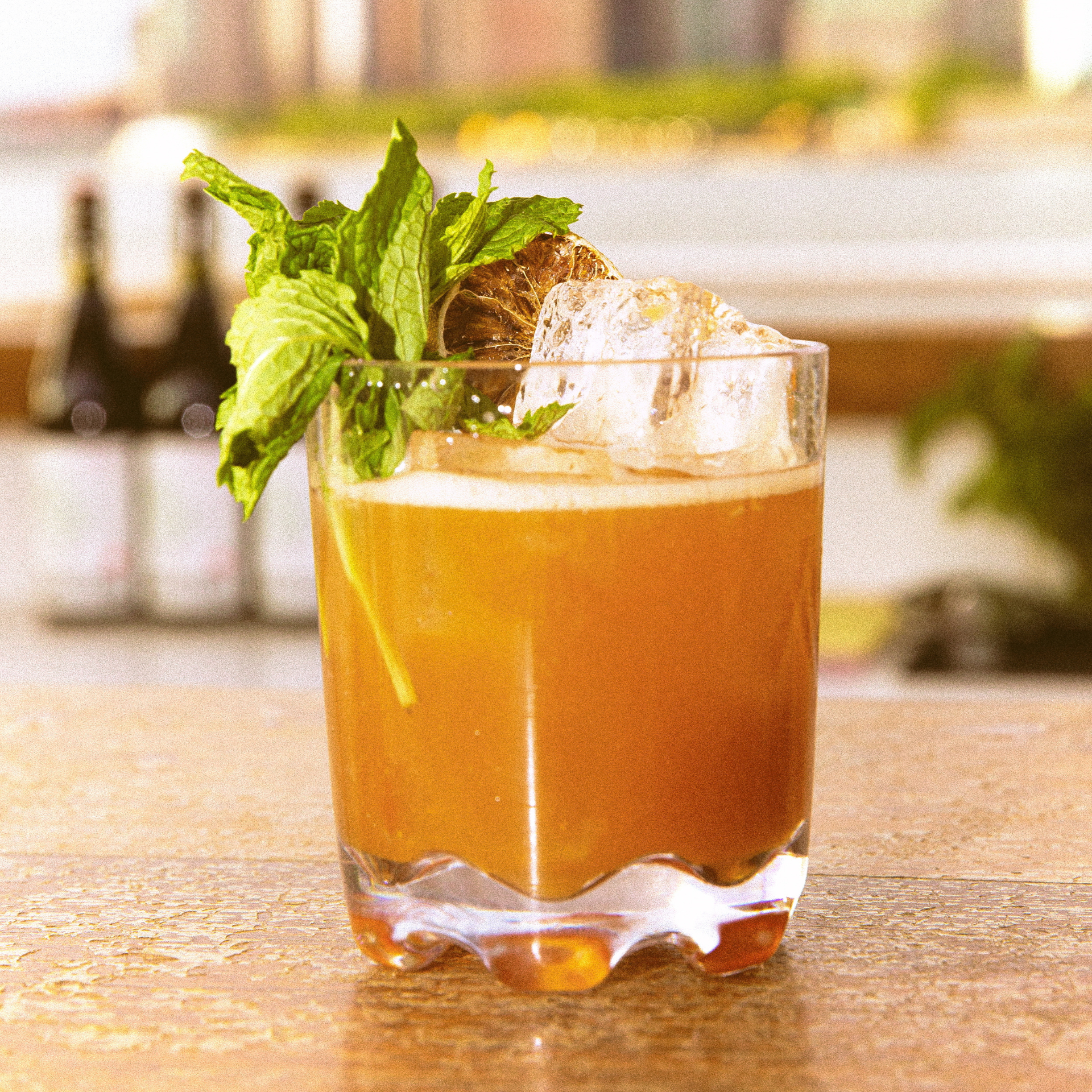
The cocktail program understands summer without falling into the rooftop trap of sugar‑heavy frozen drinks. The Bitter Tide balances gin, Campari, basil, and lemon. The Cape Breeze pulls bourbon, peach, amaro, lemon, honey, and mint into something suited for sunset.
The standout is Backyard Mango. Rum, ají amarillo, pickled mango, cilantro, and lime blend into something savory, herbal, sweet, and slightly aggressive in the best way.
The Wider List at Six Coasts
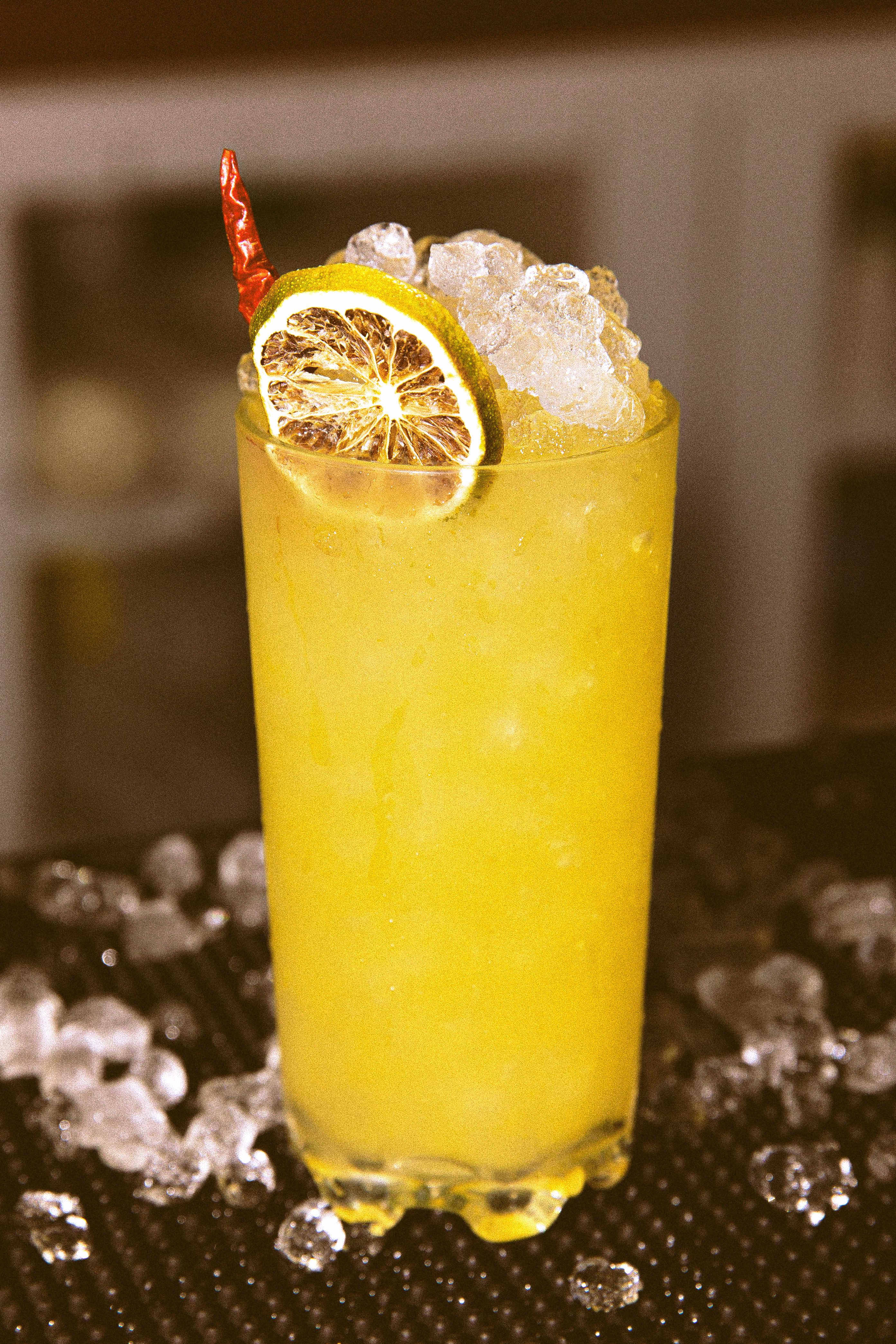
The drink menu follows the same geographic logic as the food. Six Pan‑American coastal cocktails anchor the list at eighteen dollars: Bitter Tide, Cape Breeze, and Coco Melo, built with coconut‑washed vodka, watermelon shrub, and mint. Don’t Call Me Paloma layers tequila with Aperol and elderflower, while Rio Rush Hour pulls cachaça and spiced rum together with passion fruit. Then there is Backyard Mango. Classics hold the corners: Margarita, Mojito, Mai Tai, Pisco Sour, and a Kalimotxo for those who know.
The beer list leans local with Threes Brewing’s Smorgbeer Pilsner and Logical Conclusion IPA, plus Captain Lawrence, Talea, Grimm Ales, and Hudson North cider. A Modelo dressed in a chamoy‑tajín rim does exactly what it sounds like. Wines run $14 across a tight five‑bottle list. Pricing stays honest for an island concept of this scale.
As someone who usually dislikes summer in New York, Six Coasts produced a rare reaction. The cocktail list made the season feel negotiable.
The Take
Six Coasts works because it treats culture as a rhythm rather than a performance. It builds that rhythm on the waterfront and lets the city arrive on its own terms. The ferry crossing sets the pace, the afternoon softens into evening, and the room finds its shape. In a city built on polished simulations, this feels real, seven minutes from Lower Manhattan, and it stays with you long after you leave.
BKLS NOTE
The ferry ride is about seven minutes from Lower Manhattan and sets the pace before you arrive. Go Thursday or Friday to avoid weekend congestion. Summer hours extend until 10 or 11 PM, which makes the waterfront a full evening. Walk‑ins are common, and reservations are available on Resy for peak windows. Check govisland.com for current ferry schedules.
THE ESSENTIALS
📍 Soissons Landing — Governors Island, New York Harbor
⏰ Hours:
Thursday: 11 AM – 10 PM
Friday: 11 AM – 11 PM
Saturday: 11 AM – 11 PM
Sunday: 11 AM – 10 PM
🚢 Ferry from Battery Park [Lower Manhattan] — year-round
Ferry from Brooklyn Bridge Park Pier 6 and Red Hook Atlantic Basin
[weekends and holidays, Memorial Day through Labor Day]
Check govisland.com for current schedules.
Reservations: Walk-ins welcome; Reservations available via Resy at resy.com/cities/new-york-ny/venues/six-coasts
👨🍳 Chef: Scotley Innis
Scale: 32,000 sq ft waterfront | Fully electric | Sustainably sourced ingredients