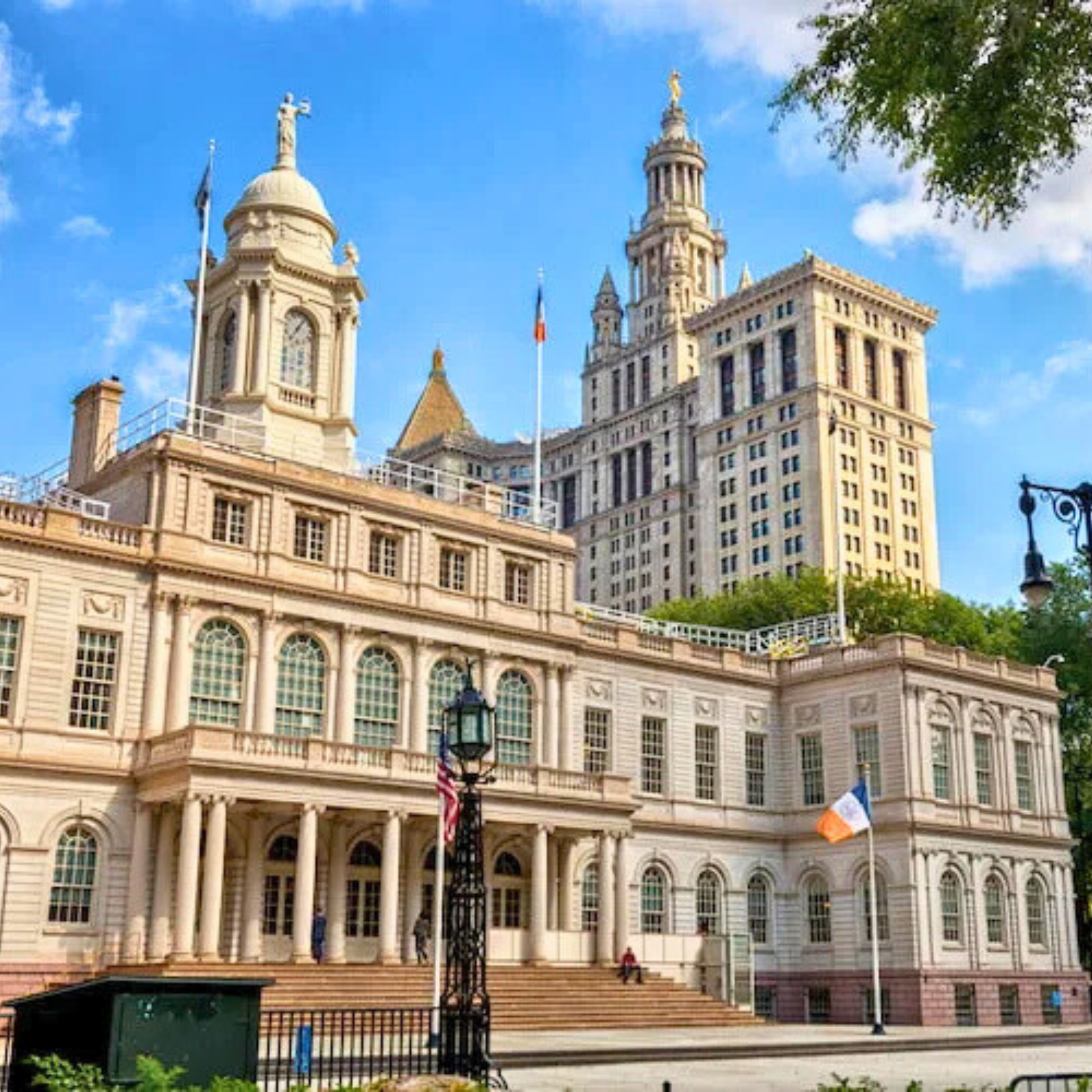
New York has chosen change. As Mayor-Elect Zohran Mamdani prepares to take office, the next two years will reveal whether vision can meet reality.
The city has done what it has always done best—it has chosen change, loud and unapologetic, even when it makes people uneasy. In electing Zohran Mamdani as its next mayor, New York has entered unfamiliar territory. A young, Muslim, democratic socialist leading one of the most complex and unequal cities in the world. The result is equal parts hope, tension, and disbelief.
Depending on where you stand, Mamdani’s victory is either the dawn of a more humane New York or the beginning of its decline. Yet somewhere between those extremes lies the truth—and that is the space worth examining.
Editor’s Note: This article was updated on November 6, 2025
Table of Contents Show
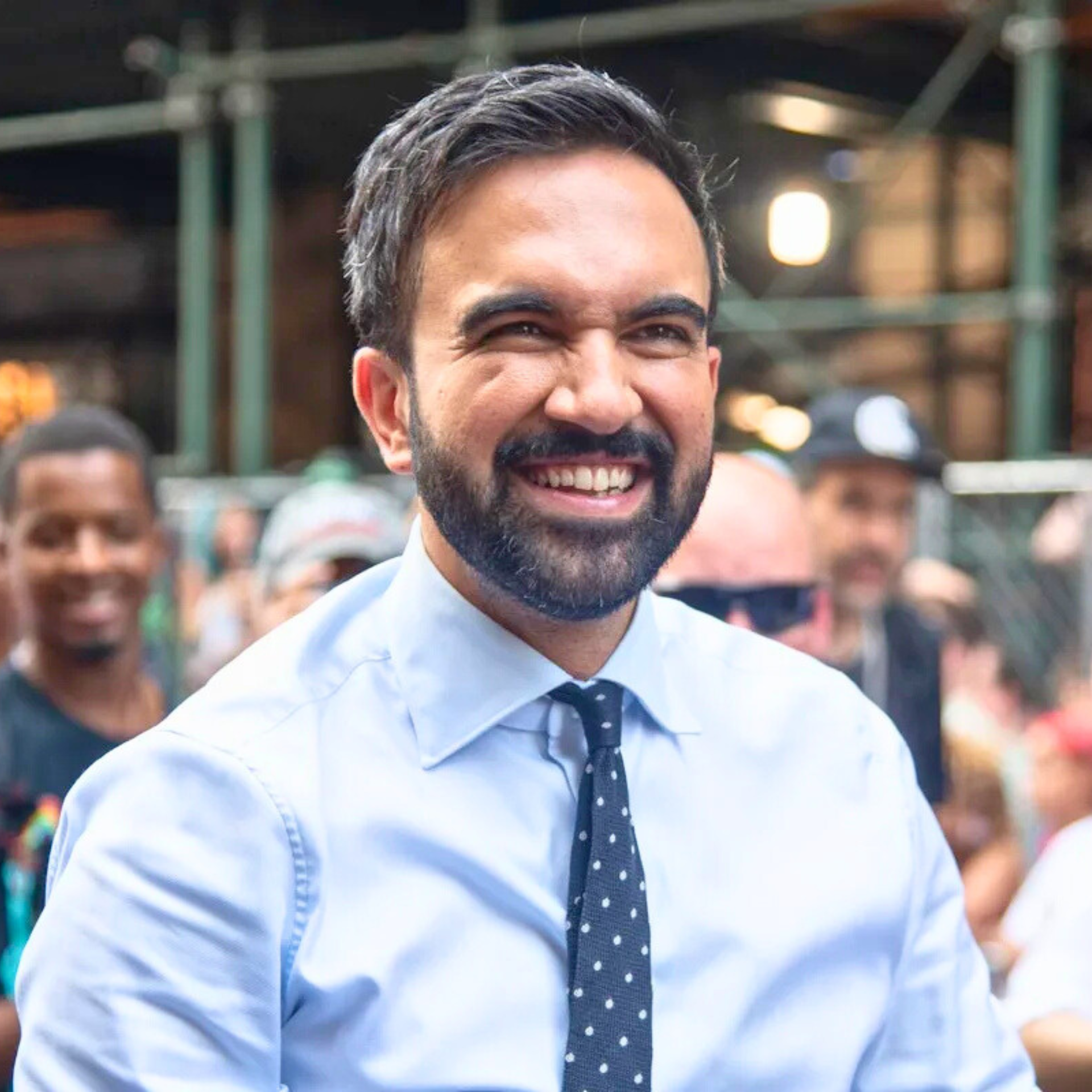
Mayor-Elect Zohran Mamdani: The Promise of a New Chapter
For all the noise around ideology, this election was not just about politics. It was about exhaustion. Rents that devour entire paychecks, subways that feel frayed, a city that seems harder to live in even for those who have built their lives here.
Mamdani represents an idea that many New Yorkers, quietly or loudly, are yearning for: that the city can care for its people without losing its edge. His proposals—rent freezes, expanded tenant protections, fare-free buses, universal childcare—read like a wish list for working families and young professionals barely hanging on in a place that often feels like it is pushing them out.
And there is symbolism here, too. A child of immigrants, a product of Astoria’s dense diversity, he reflects a city that is less about pedigree and more about proximity. People from everywhere, sharing subway cars, chasing rent, and still calling it home. His presence alone reshapes the image of power in New York—more diverse, more grounded, and less tethered to the establishment that has long defined City Hall.
But promises alone do not run a city. Hope has to meet machinery.
The City I Know
I have lived through enough New York cycles to recognize this particular tension. The moment when the city teeters between what it is and what it dares to become. You can feel it on subway platforms and in coffee shops, in the quiet conversations about rent, groceries, safety, and what it means to belong here.
I have seen this city at its most relentless and its most forgiving. Watched people arrive with nothing and build lives out of courage and borrowed space. I do not root for politics; I root for the city itself. For the version of New York that still believes generosity is strength.
It comes to mind every time, every time I move through the city. Whether in Brooklyn or Manhattan, the mix of exhaustion, noise, and persistence never really fades. New York is not fragile, but it is weary. What happens next will determine whether that weariness becomes renewal or retreat.
So congratulations, Mayor-Elect Zohran Mamdani. The city is watching—with patience, skepticism, and, perhaps, a trace of hope.
Where Hope Meets Hard Math
Every great New York experiment—from La Guardia’s social programs to Bloomberg’s technocratic era—has collided with the same unmovable truth: this city is an ecosystem, not a lab.
Mayor-Elect Zohran Mamdani’s boldness will mean little if his administration can not execute. Building 200,000 affordable units sounds transformative until you hit zoning boards, financing bottlenecks, and construction timelines that stretch across mayoral terms. Free transit sounds egalitarian until you calculate the billions required to subsidize the system each year.
New York’s balance sheets do not bend easily, and they do not forgive mismanagement. If he can not balance vision with viability—and fast—the city’s working faith in him could erode before his reforms even begin.
The early test will be public safety. For years, the city’s mood has hinged less on actual crime data and more on how safe people feel walking home. His campaign promised reform—shifting some responsibilities from police to social workers, investing in mental health, and addressing the roots of violence instead of its symptoms. It is a morally sound approach. But politically, it is combustible. If crime ticks upward, even slightly, perception will override policy. And in New York, perception moves markets, votes, and neighborhoods.
Execution, not ideology, will determine whether this chapter becomes a renaissance or another cautionary tale.
The Grocery Experiment: Can the City Become the Grocer?
Among the most audacious ideas in Mayor-Elect Mamdani’s platform is his proposal for a network of city-run grocery stores. One in each borough—designed to make fresh, affordable food a public good rather than a private luxury. On paper, it sounds simple. Remove the profit motive, reduce overhead, and pass the savings on to residents. In practice, it asks New York City to step into an industry defined by razor-thin margins, volatile supply chains, and fierce private competition.
Mamdani often cites the newly opened Azalea Fresh Market in Atlanta as inspiration. The project—a collaboration between the City of Atlanta, Invest Atlanta, and local grocer Savi Provisions—transformed a downtown food desert. It became a municipal-supported grocery store stocked with fresh produce, pantry staples, and prepared foods. Funded in part by a $3.5 million public investment, Azalea operates on a public-private model. It blends civic support with private-sector logistics.
If New York follows a similar path, it could offer more than just affordable groceries. It could become a statement about how a city serves its residents when the markets fall short. But the risk is equally clear: scale, cost, and sustainability. New York is not Atlanta. Running five municipal supermarkets would require intricate coordination between agencies, unions, and local suppliers. It is another reminder of how deeply life in New York City reflects the systems that sustain it.
Success will hinge on whether the administration can deliver a model that improves access without undercutting the city’s small grocers and bodegas that have long defined neighborhood life.
The idea feels emblematic of Mamdani’s entire agenda—ambitious, compassionate, and heavy with logistical consequence. If it works, it could redefine urban affordability. If it falters, it will stand as a reminder that even good intentions need structure to survive.
The Fault Lines Ahead
What New York faces now is not just economic tension; it is cultural. There is a narrative spreading—that this new administration will invite disorder, turn the city into a haven for those who do not want to work, that crime will rise, families will flee, and businesses will vanish.
It is an old story, recycled with new villains. It was said in the 1970s, again in the 1990s, and then in 2020 when people declared the city “dead.” Yet each time, New York reinvented itself because its gravitational pull—finance, art, ambition, grit—does not depend on who occupies City Hall.
Still, Mamdani’s team can not ignore the sentiment. For families deciding whether to stay, for investors debating whether to build, confidence matters as much as policy. The mayor will need to prove that compassion and competence are not opposites. That a city can lift the vulnerable without losing its momentum.
The risk is not that his ideology will ruin New York—it is that bureaucratic missteps and miscommunication will. If he does not surround himself with experienced operators, his administration could become a symbol of good intentions undone by poor logistics.
What to Watch Over the Next Two Years
If you want to know whether the experiment is working, skip the headlines and watch the small, stubborn metrics.
Housing: Are construction permits rising or stalling? Are new affordable projects breaking ground? Not just being announced. If rents stabilize without landlords abandoning upkeep, the housing agenda has legs.
Safety: Are transit crimes and assaults trending downward or plateauing? Are communities seeing visible, effective responses to mental health crises? If perception starts to shift. And if people begin to feel safer, that is success.
Transit: Does the free bus pilot expand? Is ridership climbing? Are service delays shrinking? Transit is the bloodstream of the city. If it flows, everything else does too.
Economy: Are small businesses reopening or closing? Are corporate investments holding? If the city maintains job growth above 4.5% unemployment, the doom narrative will not stick.
By late 2027, these will be the real markers of whether Mayor-Elect Zohran Mamdani’s vision for New York is thriving or merely surviving.
Mayor-Elect Zohran Mamdani: A City That Dares Before It Doubts
New York has always been a paradox—both sanctuary and struggle. Both ideal and grind. It thrives on tension, and right now, it is charged with it.
This administration might succeed where others have not. Or it might become a cautionary story about what happens when ambition outruns infrastructure. Either way, the next two years will reveal whether New York can modernize without fracturing. Whether it can be both kind and competitive, fair and ferocious.
For now, New Yorkers have taken a gamble. And if there is one thing this city has taught us, it is that every reinvention begins with a risk.
Updated November 6, 2025
Mayor-Elect Zohran Mamdani Transition Team, New York City
Every administration lives or dies by the competence of the people behind the podium. Mamdani’s first major move—an all-female transition team—sent a clear signal: he intends to balance reform with experience. Led by Elana Leopold as executive director. The team includes Maria Torres-Springer, Lina Khan, Grace Bonilla, and Melanie Hartzog—women who have all spent years navigating the city’s tangled systems.
Torres-Springer brings hard-won housing and development experience from previous City Hall administrations. Khan offers regulatory discipline and a national perspective from her tenure at the Federal Trade Commission. Bonilla knows the nonprofit and social-service networks that hold the city together when the government falters. And Hartzog understands budgeting and the hard arithmetic of policy.
Together, they lend credibility to a mayor-elect who is rich in ideas but new to executive management. Still, their task is formidable. Turning campaign ideals—rent freezes, free transit, new housing—into daily realities will require coordination, patience, and the ability to deliver small, visible wins quickly.
Their success will depend less on ideology and more on logistics. Procurement timelines, budget discipline, and the stamina to push change through layers of bureaucracy that have outlasted every mayor before him.