From a legendary Queens storefront to a Michelin-starred room in Long Island City, the best tamales in NYC, from kitchens where masa is taken seriously, and the trip is always worth it.
In New York City, the tamale is not a trend. It is a tradition—one that has been carried block by block, borough by borough, by the families and makers who treat masa not as a vehicle for filling but as the point entirely. Stone-ground corn, time, technique, and recipes that belong to specific hands in specific kitchens. That is what separates a tamale worth seeking out from one that simply exists.
March 23 is National Tamale Day. These are six spots across the city that deserve your attention and your appetite. Between them, they cover Queens, Brooklyn, and Manhattan, street-food roots and Michelin-starred rooms, corn-husk tradition and banana-leaf elegance, grab-and-go counters and full sit-down dinners. The only thing they share is that they are all doing it seriously.
Table of Contents Show
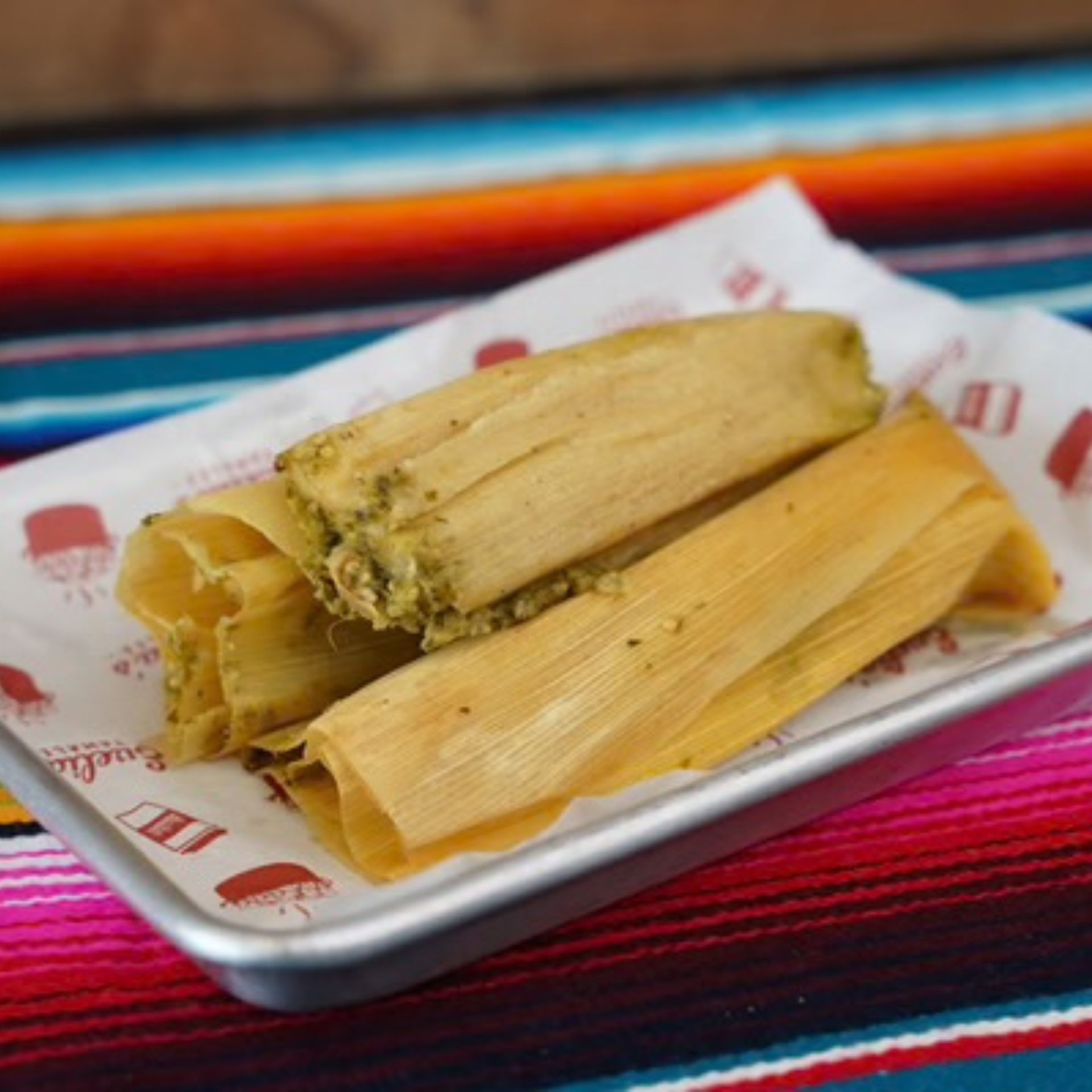
The Legend: Evelia’s Tamales
📍Location: 96-09 Northern Boulevard — Corona, Queens | 🌐 Website: Evelia’s Tamales
Evelia Coyotzi began selling tamales from a cart beneath the 7 train in Corona. Anthony Bourdain found her there. The rest of the food world eventually followed. What was once a sidewalk operation is now a vibrant, high-energy storefront that still opens at 5 AM because the people who built this neighborhood eat early, and Evelia has always known that.
The order: The Tamal de Mole Poblano, masa that is lighter than it has any right to be, wrapped around chicken sitting in a mole so dark and complex it takes days to build. For 2026, the Birria Tamal is the order for anyone who wants to see what happens when two heavyweights share the same corn husk.
The detail: Open at 5 AM. Arriving before the city fully wakes up is not just practical, it is the correct way to experience this place.
The space is authentic, community-rooted, and non-negotiable. This is the tamale against which everything else in the city is measured.
For the full experience, the street cart at the corner of Junction Boulevard and Roosevelt Avenue operates from 4 AM. The brick-and-mortar on Northern Boulevard is the hub, but the cart is where the legend started.
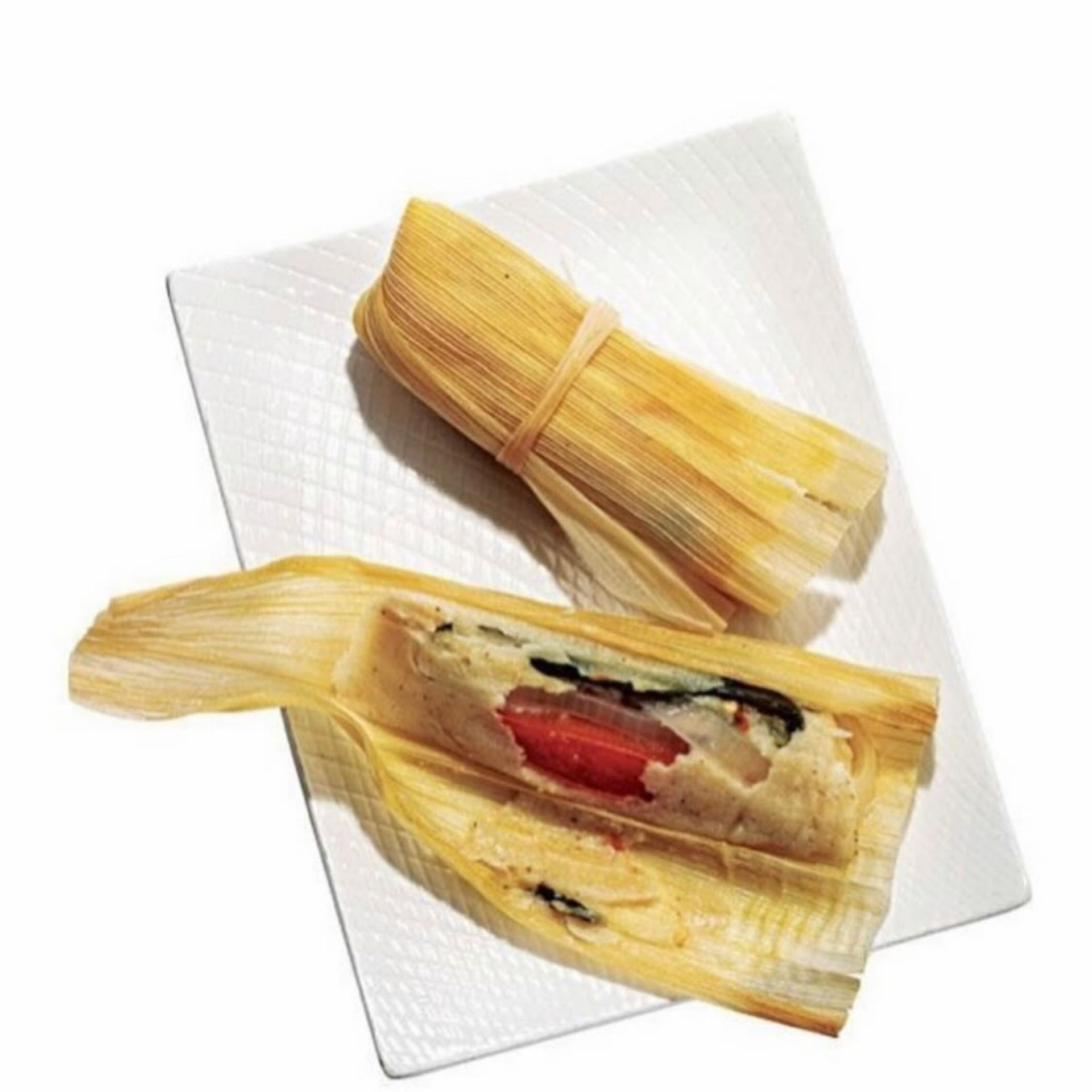
The Artisan: Factory Tamal
📍Location: 34 Ludlow Street — Lower East Side, Manhattan | 🌐 Website: Factory Tamal
Factory Tamal on Ludlow Street grinds their own non-GMO corn in-house every day using traditional nixtamalization, the ancient process of treating corn with an alkaline solution that unlocks its full nutritional profile and transforms its texture. The result is a masa that is noticeably lighter and fluffier than almost anything else in Manhattan, and a tamale that holds its structure without ever feeling dense.
The vegetarian program here is unusually serious. Rajas con Queso [roasted poblano peppers with cheese], Hibiscus, and Portobello with Chipotle are not afterthoughts; they are the menu. This is the stop for anyone who has accepted the mediocrity of vegetarian Mexican food in New York and quietly stopped trying. Do not stop trying.
The order: Rajas con Queso for the classic, Portobello with Chipotle for the one that will reset your expectations, or the Guajolota — any tamale served inside a soft Mexican bolillo roll. Order it and walk five minutes to Seward Park.
The space is warm, deli-style, and unpretentious. The LES version of doing something with complete seriousness.
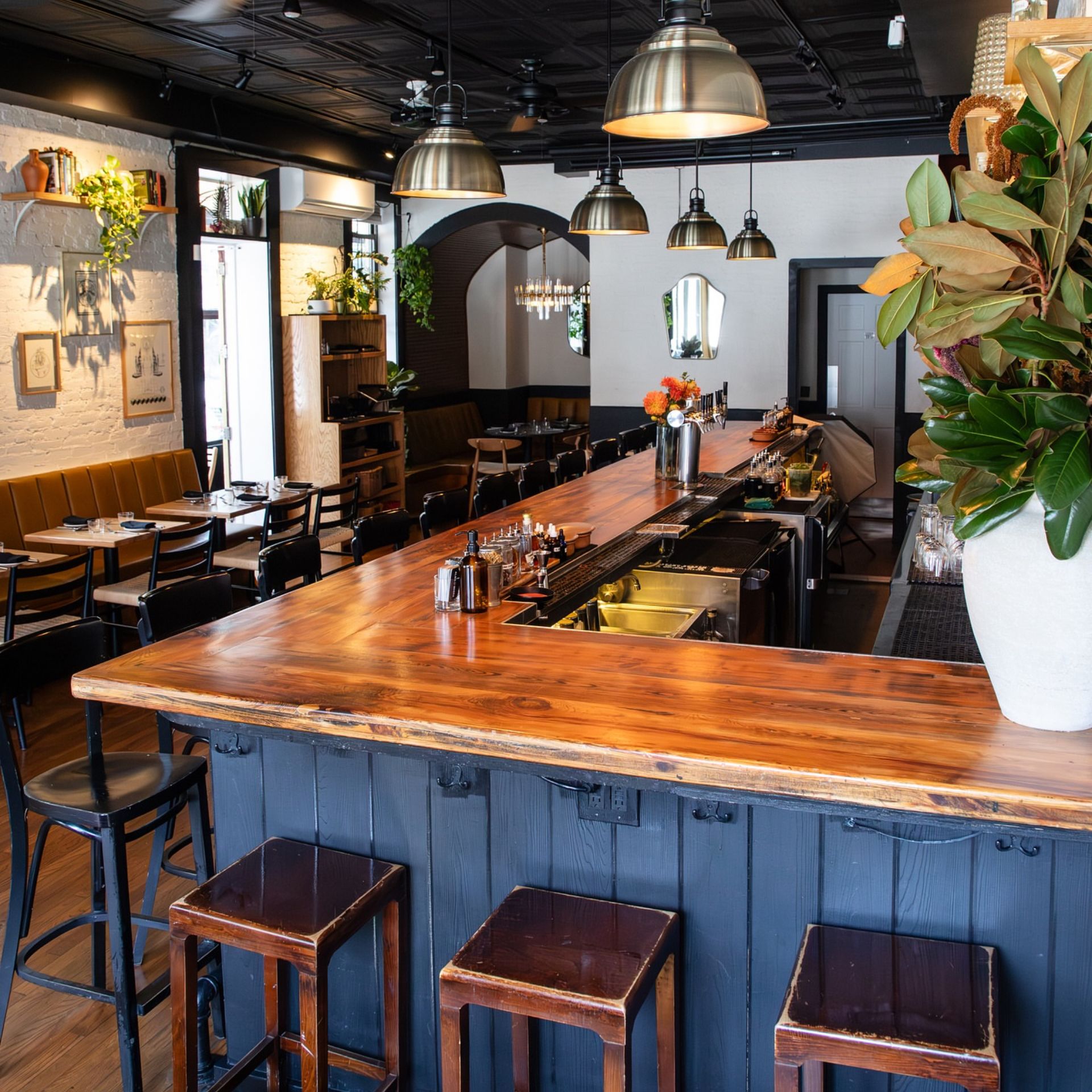
The Purist: Alma Negra
📍Location: 494 4th Avenue — Park Slope / Gowanus, Brooklyn | 🌐 Website: Alma Negra
Alma Negra sits at the corner of 4th Avenue and 12th Street in Park Slope and operates with a specificity that most Mexican restaurants in New York do not attempt. The kitchen uses heirloom corn and traditional nixtamalization, and the menu rotates to feature regional Mexican styles that reflect where the kitchen staff is actually from, not what a downtown crowd expects.
The Ayocote Tamal—the kitchen’s most consistent offering—is built from heirloom corn and ayocote beans [a large, creamy Mexican runner bean] and served with ha’ sikil p’ak, a Mayan-style pumpkin seed dip that is nutty, slightly smoky, and worth ordering on its own terms. It is naturally vegan and entirely unlike anything else on this list.
The order: The Ayocote Tamal with ha’ sikil p’ak. On weekends, ask for the Tamal del Dia — they rotate regional specials that do not appear on delivery menus. The Tamal Negro [made with epazote] and Corundas [triangular tamales from Michoacán, denser and more savory] appear regularly and are worth planning around.
Also worth ordering: The Huitlacoche Empanada, blue corn masa filled with Mexican truffle chilaca pepper, and huazontle. It tells you everything about what makes this kitchen different.
Alma Negra is considered destination-worthy, and the kind of place that rewards going in person. The weekend Tamal del Dia is reason enough.
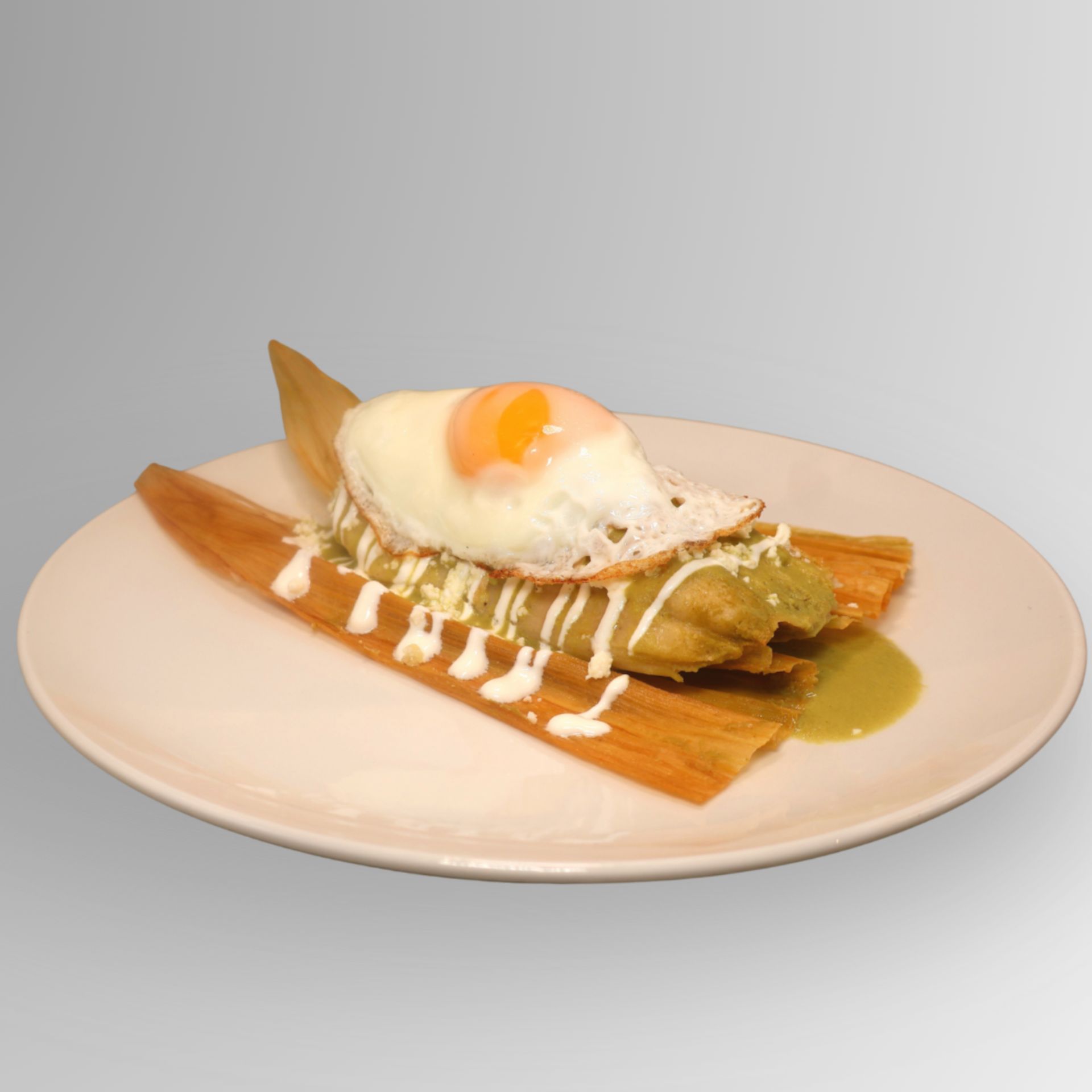
The New Heritage Hub: Tamalería La Madrina
📍Location: 735 Nostrand Avenue — Crown Heights, Brooklyn | 🌐 Website: Tamalería La Madrina
Artemio Baltazar and his wife, Marisol Lopez, opened Tamalería La Madrina in Crown Heights, and the recipes they brought with them belong to Marisol’s grandmother, who is 104 years old and still the authority. La Madrina is Marisol’s nickname. It means Godmother, and it suits the place entirely.
Every tamale is made from stone-ground corn masa, wrapped in fresh corn husks or fragrant banana leaves, and finished with house-made sauces built entirely in-house, including a 25-ingredient mole simmered for ten hours. Staffed by their daughters and operating in limited daily quantities, this is a family operation in the most literal sense. When they sell out, that is it. Open daily 8 AM to 11 PM.
The order: The Tamal Oaxaqueño, tender pork baby ribs in a rich, savory red sauce wrapped in banana leaves. It tastes like a full Sunday dinner folded into something you can hold in one hand. Or the Pollo Mole: chicken under the 25-ingredient, 10-hour mole.
Also on the menu: Birria [slow-cooked beef with optional consomé for dipping], Jalapeño con Queso. Any tamale can be ordered individually, by the half-dozen, or by the dozen, and any tamale can be made into a Guajolota on a soft bolillo roll. The house Champurrado, Café de Olla, and Jamaica Agua Fresca are all made fresh in-house daily.
This place is warm, grab-and-go, neighborhood-essential. Crown Heights needed this.
The Neighborhood Anchor: City Tamale
📍 Location: 1316 Oak Point Avenue — Hunts Point, Bronx | 🌐 Website: City Tamale
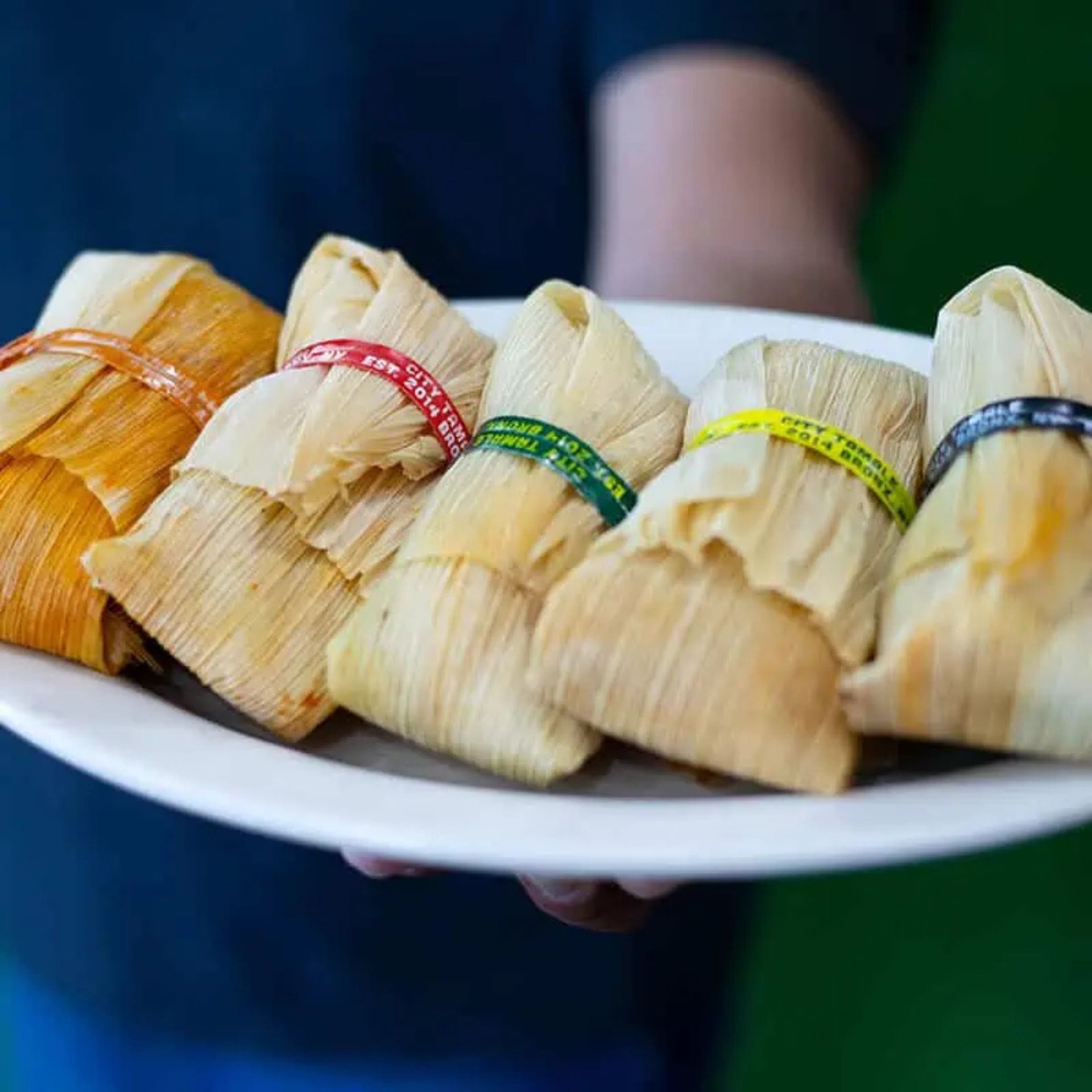
Israel Veliz built City Tamale as a permanent, considered home for a craft that too often happens on the move. The corn is non-GMO, sourced directly from Mexican farmers, and the nixtamalization process is the foundation on which everything else is built. That transparency is the point. The masa here has a depth of flavor that mass production cannot replicate, and the kitchen does not let you forget it.
The Tamal Ranchero is the order for brunch, the house corn masa tamal composed into a full plate with two eggs any style, fresh pico de gallo, crema fresca, and sliced avocado, finished with a choice of house-made salsa. Order it with Salsa Verde. The Chicken Mole Tamal uses a rich poblano sauce that reflects the kitchen’s commitment to regional tradition without editorializing about it. Both are the kind of dishes that make the trip to Hunts Point feel not just worthwhile but necessary.
The Order: Tamal Ranchero with Salsa Verde, a Champurrado, and a Guajolota if you are staying a while. That is the definitive Bronx breakfast.
The room is bright, precise, and built for the craft. Large windows, clean lines, a space that lets the food do the talking. Proof that the best food in this city often requires a trip to the end of the line.
The Sophisticated Standby: La Palapa
📍 Location: 77 St. Marks Place — East Village, Manhattan | 🌐 Website: lapalapa.com
In an East Village landscape of fleeting trends, La Palapa has remained a pillar of authentic Mexican soul food since 2000. Owner and Chef Barbara Sibley, who was born and raised in Mexico City, treats her kitchen as a living archive of her childhood. The space, anchored by a white marble bar and festive red leather banquettes, is bright, warm, and perpetually welcoming, without the studied moodiness of a Midtown dining room.
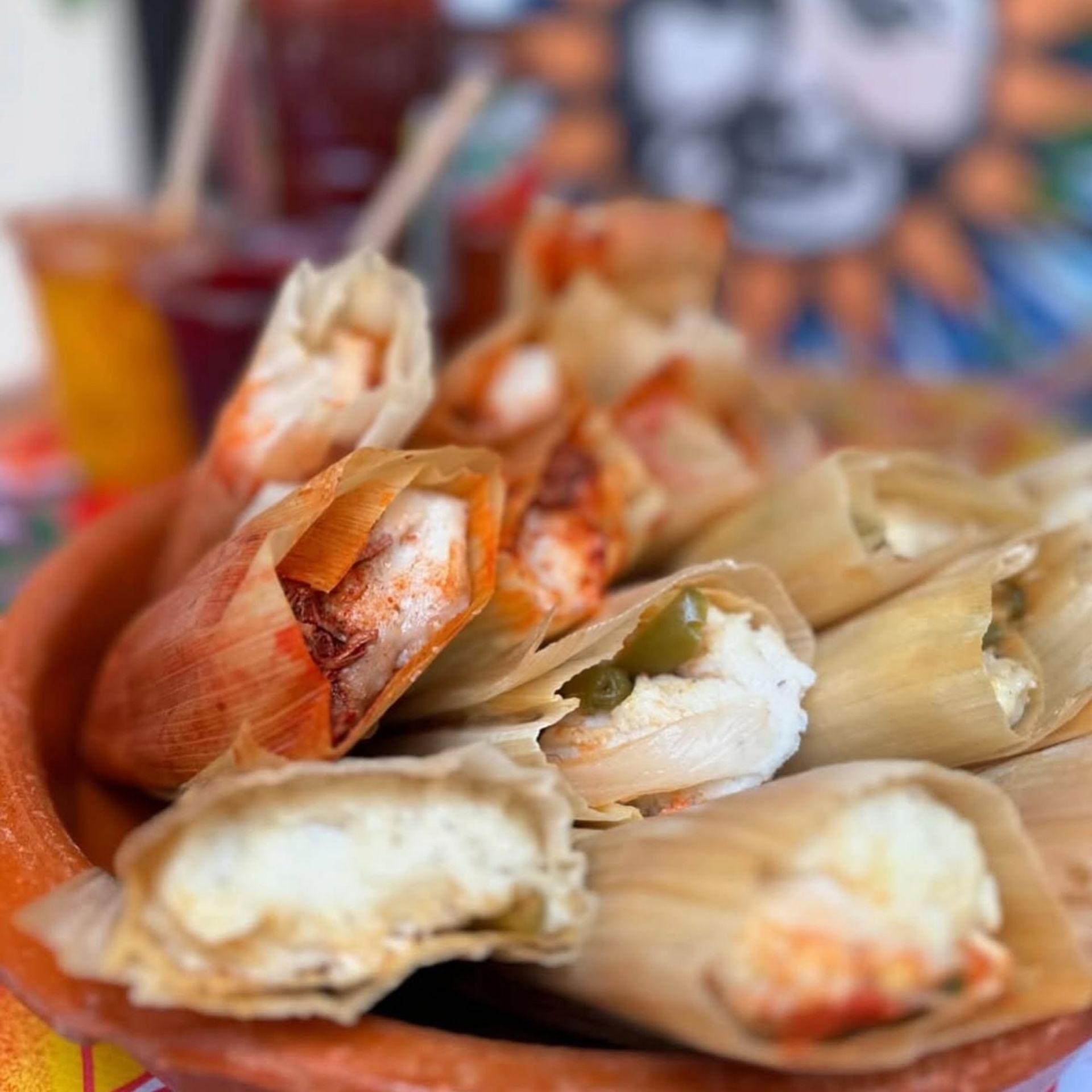
The Tamal de Mole Oaxaqueño is the essential order. It is an exercise in patience: the masa is fresh and light, acting as the perfect canvas for a Mole Negro crafted from 26 distinct ingredients. Rich, savory, and carrying the subtle dark depth of Mexican chocolate without ever tipping into sweetness. While many come for the tacos, the tamales here represent Sibley’s commitment to the slow food heritage of the Mexican capital.
The order: The Tamal de Mole Oaxaqueño [order two for the table], the Pato al Mole Negro [duck breast in that same 26-ingredient black mole], and a Hibiscus Margarita to cut through the richness.
Twenty-five years in the East Village, and La Palapa still feels like the room figured something out that everyone else is still chasing.
Worth Mentioning: Casa Enrique
📍Location: 5-48 49th Avenue — Long Island City, Queens | 🌐 Website: Casa Enrique
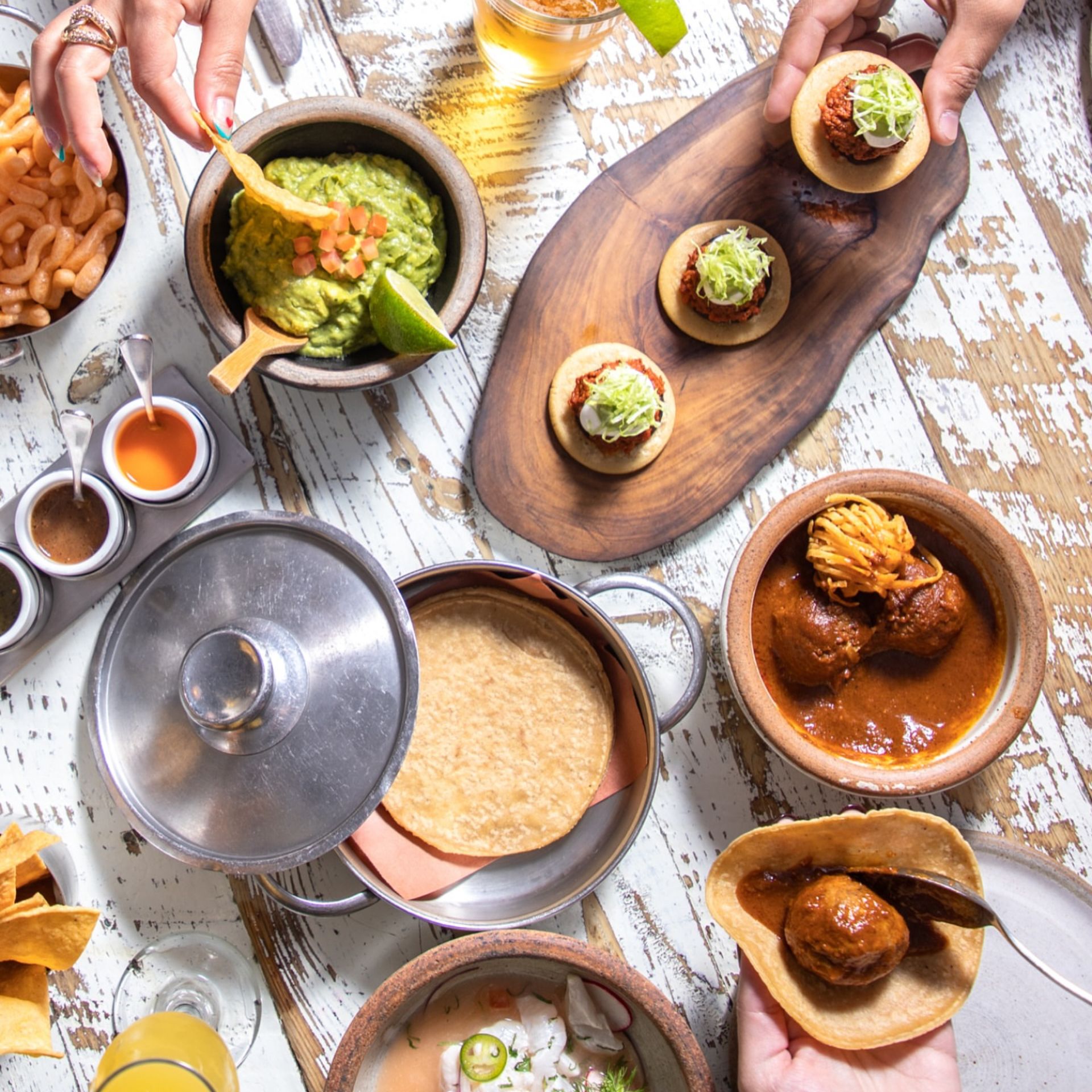
Casa Enrique is not a tamale destination; it is a mole destination. The Mole de Piaxtla is the standard against which every tamale sauce in this guide is measured: complex, dark, and built from a Chiapas tradition that Chef Cosme Aguilar has never diluted for a New York audience. If you want to understand what makes a great tamale filling before you eat one, eat the Enchiladas here first. In 2014, Casa Enrique became the first Mexican restaurant in New York City to earn a Michelin star and held it for nearly a decade. That star has since gone. The mole has not.
The Tamale Pairing
PRO TIP — THE TAMALE & SIP PAIRING
Tamales are best enjoyed with Champurrado—a thick, chocolatey corn drink—or a Café de Olla. At La Madrina, both are made in-house daily; pair the Oaxaqueño with the Champurrado or the Jamaica Agua Fresca. At Factory Tamal, the Rajas con Queso earns a sharp espresso from one of the nearby LES coffee shops. At La Palapa, the Hibiscus Margarita is the call—the tartness cuts cleanly through the richness of the 26-ingredient Mole Negro.At City Tamale, order the Champurrado alongside the Tamal Ranchero—it is the definitive Bronx breakfast combination. At Casa Enrique, the Mole de Piaxtla and a glass of something dark and contemplative. If you are hosting a National Tamale Day brunch at home: buy by the dozen, keep them in the steamer, and serve on your best ceramic platters with fresh radishes and lime wedges alongside.
Quick Guide: NYC Tamales 2026
THE TAMALE TRAIL AT A GLANCE
| Evelia’s — Corona, Queens | The legend. Open at 5 AM. Mole that takes days. The standard everything else is measured against. |
| Factory Tamal — Lower East Side | Non-GMO corn ground daily. Best vegetarian tamale program in Manhattan. |
| Alma Negra — Park Slope | Heirloom corn, Mayan technique. Ask for the weekend Tamal del Dia. |
| La Madrina — Crown Heights | From the team behind Taqueria Milear. The corn dough is nixtamalized in-house and the tamales are wrapped in banana leaves rather than corn husks—a regional distinction that signals how seriously this kitchen takes the tradition. 104-year-old family recipes, a 25-ingredient mole, and a window that sells out daily. Open 8 AM–11 PM. |
| La Palapa — East Village | Chef Barbara Sibley’s East Village anchor since 2000. The Tamal de Mole Oaxaqueño—fresh masa, 26-ingredient Mole Negro, Mexican chocolate depth. Order two. |
| City Tamale — Hunts Point, Bronx | Non-GMO corn sourced directly from Mexican farmers. The Tamal Ranchero is the Bronx breakfast. The Guajolota if you are feeling bold. |
| Casa Enrique — Long Island City | The only Michelin-starred Mexican restaurant in New York City. Chiapas regional cooking. The Mole de Piaxtla is the gold standard—order the Enchiladas and understand what a great tamale sauce should taste like. |
Frequently Asked Questions
Does NYC have a little Mexico?
Yes, and the center of it is Corona, Queens. Just take the 7 Train to 103rd Street-Corona Plaza. The stretch along Roosevelt Avenue and Northern Boulevard is home to one of the largest Mexican and Mexican-American communities in the city, with vendors, restaurants, bakeries, and markets representing Oaxacan, Poblano, and Guerreran traditions. Evelia’s Tamales on Northern Boulevard is the most well-known destination on the strip, but the entire corridor rewards a longer afternoon.
Where can I find the best tamales in NYC?
Some of the most respected tamales in New York can be found in Queens, Brooklyn, and Lower Manhattan. Evelia’s Tamales in Corona is the city’s most famous destination, while Factory Tamal on the Lower East Side grinds its corn daily using traditional nixtamalization. In Brooklyn, Alma Negra and Tamalería La Madrina represent two very different but equally serious approaches to masa. Together, they form what BKLS calls the Tamale Trail.
What is the difference between a tamal and a tamale?
“Tamal” is the correct Spanish singular; “tamales” is the Spanish plural. “Tamale” is the English-language adaptation, widely used and widely understood. Both words refer to the same thing: masa [nixtamalized corn dough] filled, wrapped in corn husks or banana leaves, and steamed. You will see both spellings on menus across the city. We use “tamale” throughout for consistency.
Where is the tamale capital of the world?
Oaxaca, Mexico, is widely considered the tamale capital of the world—a state with dozens of distinct regional styles from the tamal negro [black mole, chocolate] to the coloradito, the amarillo, and the Istmo-style banana-leaf wrap. That influence runs through several kitchens on this list: Alma Negra works with heirloom Oaxacan corn, and Kuxe sources its corn directly from the state. Eating tamales in New York, at the right tables, is not so far from the source.
Are tamales gluten-free?
Generally, yes. Traditional tamales are made from masa, nixtamalized corn dough, which is naturally gluten-free. The nuance lies in the sauces. Some moles, including Mole Poblano, are thickened with bread or crackers, which introduces wheat. If you have a strict allergy, always ask about the sauce specifically before ordering. Factory Tamal labels their gluten-free options clearly and is a reliable choice for anyone navigating dietary restrictions.
Do I need cash for street tamale vendors?
Usually. Brick-and-mortar spots like Evelia’s and Casa Enrique take cards. The street vendors, including the cooler ladies who set up under the 7 train and along 116th Street, still operate primarily on cash, though some have adopted Venmo or Zelle. Keep a few fives and tens on you. Reaching the front of a long line without cash is a mistake most people make only once.
Why can’t I find tamales in the afternoon?
Because in New York, tamales are a breakfast food first. The best street vendors in Sunset Park, East Harlem, and along the Roosevelt Avenue corridor set up by 6 AM and sell out before noon. If you are looking at 2 or 3 PM, head to a sit-down restaurant, Kuxe, Alma Negra, or Casa Enrique will have you covered. For the straight-from-the-pot experience, you have to be an early riser.
The Case for the Tamale in NYC
National Tamale Day arrives every March 23, and most of the city walks past it without a second thought. That is a mistake worth correcting. The tamale is one of the oldest prepared foods in the Americas, a technique that predates the fork, the plate, and the restaurant as a concept. In New York, it has been carried and kept alive by the families and makers who understand that some things are worth the time it takes to do them right.
Seven kitchens. Four boroughs. One very good reason to eat before noon on March 23. Go find them.